Maximizing Space and Energy Efficiency: Solar Carport Mounting Systems for Parking Areas
Release time:
2026-02-23
As businesses and municipalities strive to embrace renewable energy, the implementation of solar carport mounting systems for parking areas has emerged as a viable solution. These systems not only provide shade and protection for vehicles but also harness solar energy to power various applications. By integrating solar panels into carport structures, organizations can promote sustainability while
As businesses and municipalities strive to embrace renewable energy, the implementation of solar carport mounting systems for parking areas has emerged as a viable solution. These systems not only provide shade and protection for vehicles but also harness solar energy to power various applications. By integrating solar panels into carport structures, organizations can promote sustainability while optimizing their real estate.
One key advantage of solar carport mounting systems is their ability to maximize land use. In urban environments where space is a premium, these carports transform underutilized parking lots into productive energy-generating sites. This dual functionality is especially beneficial for commercial enterprises, as it allows them to generate income from electricity production while fulfilling their parking needs.
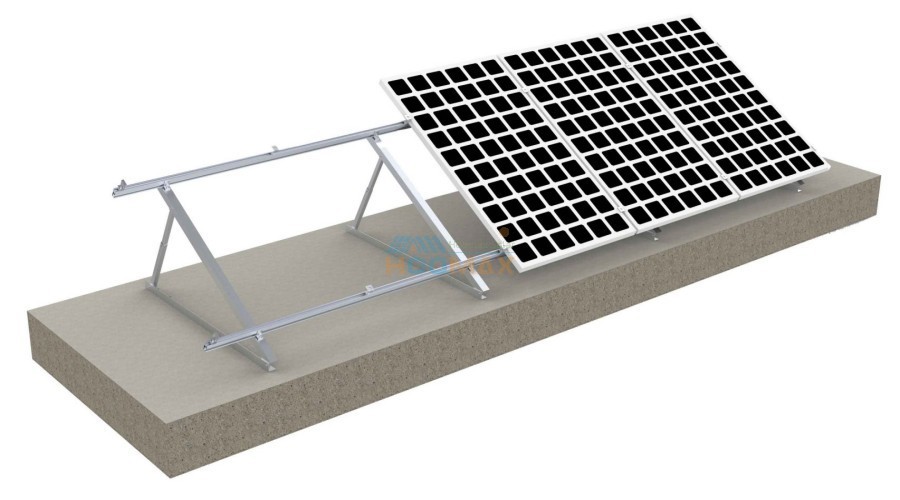
From a technical perspective, solar carport mounting systems are designed to support solar panels at optimal angles, maximizing sunlight exposure throughout the day. These systems can be engineered to accommodate various panel sizes and configurations, ensuring compatibility with existing solar technologies. Furthermore, many of these systems incorporate adjustable tilt features, allowing for fine-tuning based on seasonal variations in solar insolation.
Durability is another critical aspect of solar carport mounting systems. Constructed from robust materials such as aluminum or steel, these structures are designed to withstand environmental stresses, including heavy snowfall, high winds, and UV radiation. The longevity of these systems contributes to lower maintenance costs over time, delivering enhanced value for investors and stakeholders.
In addition to energy generation, solar carports can be equipped with electric vehicle (EV) charging stations. This integration addresses the growing demand for EV infrastructure, enabling users to charge their vehicles while parked. As more consumers shift towards electric mobility, the availability of charging solutions in parking areas becomes a strategic advantage for businesses.
Moreover, the implementation of solar carport mounting systems can significantly reduce electricity costs. By generating on-site solar energy, organizations can decrease their reliance on the grid, thus minimizing energy bills. Some systems are equipped with energy storage solutions, allowing for better management of energy consumption and providing power during peak demand hours.
Lastly, solar carport mounting systems contribute to corporate social responsibility initiatives. By investing in renewable energy infrastructure, organizations can showcase their commitment to sustainability and environmental stewardship. This can enhance brand reputation and attract environmentally conscious consumers.
In conclusion, solar carport mounting systems for parking areas represent an innovative approach to energy sustainability. By maximizing space, enhancing energy efficiency, and promoting electric vehicle use, these systems are paving the way for a greener future in urban settings. Understanding the technical aspects and benefits of these systems can empower professionals to make informed decisions in the realm of renewable energy solutions.
One key advantage of solar carport mounting systems is their ability to maximize land use. In urban environments where space is a premium, these carports transform underutilized parking lots into productive energy-generating sites. This dual functionality is especially beneficial for commercial enterprises, as it allows them to generate income from electricity production while fulfilling their parking needs.
From a technical perspective, solar carport mounting systems are designed to support solar panels at optimal angles, maximizing sunlight exposure throughout the day. These systems can be engineered to accommodate various panel sizes and configurations, ensuring compatibility with existing solar technologies. Furthermore, many of these systems incorporate adjustable tilt features, allowing for fine-tuning based on seasonal variations in solar insolation.
Durability is another critical aspect of solar carport mounting systems. Constructed from robust materials such as aluminum or steel, these structures are designed to withstand environmental stresses, including heavy snowfall, high winds, and UV radiation. The longevity of these systems contributes to lower maintenance costs over time, delivering enhanced value for investors and stakeholders.
In addition to energy generation, solar carports can be equipped with electric vehicle (EV) charging stations. This integration addresses the growing demand for EV infrastructure, enabling users to charge their vehicles while parked. As more consumers shift towards electric mobility, the availability of charging solutions in parking areas becomes a strategic advantage for businesses.
Moreover, the implementation of solar carport mounting systems can significantly reduce electricity costs. By generating on-site solar energy, organizations can decrease their reliance on the grid, thus minimizing energy bills. Some systems are equipped with energy storage solutions, allowing for better management of energy consumption and providing power during peak demand hours.
Lastly, solar carport mounting systems contribute to corporate social responsibility initiatives. By investing in renewable energy infrastructure, organizations can showcase their commitment to sustainability and environmental stewardship. This can enhance brand reputation and attract environmentally conscious consumers.
In conclusion, solar carport mounting systems for parking areas represent an innovative approach to energy sustainability. By maximizing space, enhancing energy efficiency, and promoting electric vehicle use, these systems are paving the way for a greener future in urban settings. Understanding the technical aspects and benefits of these systems can empower professionals to make informed decisions in the realm of renewable energy solutions.



Room 601,No.368,Quanyutong Business center,Xianhou She,Huli District,Xiamen,China
Copyright © 2025 Xiamen Hoomax Solar Technology CO., LTD. ALL Rights Reserve.