Adjustable Tilt Solar Mounting Systems: The Ultimate Investment for Maximizing Solar Energy Efficiency
Release time:
2026-07-29
Adjustable Tilt Solar Mounting Systems: The Ultimate Investment for Maximizing Solar Energy Efficiency Table of Contents 1. Introduction to Adjustable Tilt Solar Mounting Systems 2. Benefits of Adjustable Tilt Solar Mounting Systems 3. How Adjustable Tilt Solar Mounting Systems Work 4. Types of Adjustable Tilt Solar Mounting Systems 5. Installation Process of Adjustable Tilt S
Adjustable Tilt Solar Mounting Systems: The Ultimate Investment for Maximizing Solar Energy Efficiency
Table of Contents
- 1. Introduction to Adjustable Tilt Solar Mounting Systems
- 2. Benefits of Adjustable Tilt Solar Mounting Systems
- 3. How Adjustable Tilt Solar Mounting Systems Work
- 4. Types of Adjustable Tilt Solar Mounting Systems
- 5. Installation Process of Adjustable Tilt Systems
- 6. Maintenance Tips for Longevity
- 7. Cost-Benefit Analysis: Are They Worth It?
- 8. FAQs about Adjustable Tilt Solar Mounting Systems
- 9. Conclusion
1. Introduction to Adjustable Tilt Solar Mounting Systems
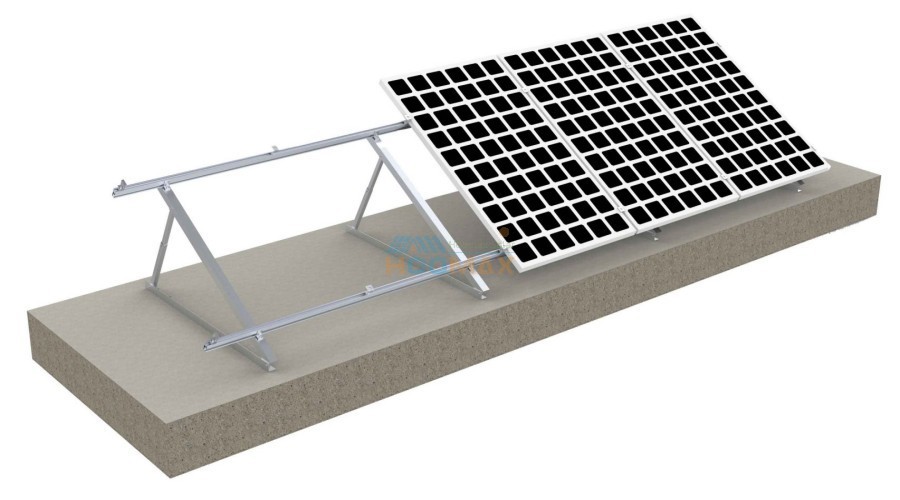
In recent years, the demand for sustainable energy solutions has surged, with solar power leading the charge. **Adjustable tilt solar mounting systems** stand out as a **versatile solution** for enhancing the efficiency of solar panels. These systems allow users to adjust the angle of their solar panels to capture maximum sunlight throughout the day, thereby **optimizing energy production**.
A well-designed adjustable tilt solar mounting system can adapt to the sun’s path, ensuring that solar panels receive the optimal amount of sunlight at various times of the year. This adaptability makes them an essential consideration for both residential and commercial solar energy users.
2. Benefits of Adjustable Tilt Solar Mounting Systems
The benefits of implementing adjustable tilt solar mounting systems are multifaceted, offering users significant advantages:
2.1 Improved Energy Efficiency
By allowing users to change the angle of their solar panels, adjustable systems can significantly improve energy output. Studies have shown that proper angling can increase solar energy capture by up to 25%. Maximizing sunlight exposure leads to better performance and higher energy generation.
2.2 Versatility for Various Applications
These mounting systems are suitable for diverse environments and applications. Whether it’s a residential rooftop, a commercial flat roof, or a ground-mounted system, adjustable tilt mounting systems can be tailored to suit specific needs and installations.
2.3 Enhanced Durability
Designed to withstand various weather conditions, adjustable tilt solar mounting systems typically utilize robust materials that endure harsh elements. This durability ensures a long lifespan, making them a reliable investment for renewable energy.
2.4 Cost Savings Over Time
Although the initial investment may be higher than traditional fixed mounting systems, the long-term savings on energy bills can make adjustable tilt systems more economical over time. Increased energy production leads to lower reliance on grid energy, resulting in substantial cost savings.
3. How Adjustable Tilt Solar Mounting Systems Work
Adjustable tilt solar mounting systems function through a combination of **mechanical and electrical components** designed to facilitate angle adjustments.
3.1 Mechanical Adjustment
Most systems come equipped with a manual or automatic adjustment feature that allows users to tilt the panels based on seasonal needs. Manual systems often utilize a simple lever mechanism, while automatic systems use sensors to determine the optimal angle based on sunlight intensity.
3.2 Integration with Solar Panels
These mounting systems are designed to work in conjunction with solar panels of various sizes and types. The ability to customize the tilt angle ensures that users can maximize energy capture irrespective of geographical location or seasonal changes.
4. Types of Adjustable Tilt Solar Mounting Systems
Choosing the right type of adjustable tilt solar mounting system is crucial for maximizing efficiency. Here are the main types:
4.1 Manual Tilt Systems
Manual tilt systems require users to adjust the angle of the panels themselves. These systems are often more affordable and are typically favored in residential applications where the solar setup is easy to access.
4.2 Automatic Tilt Systems
Automatic systems utilize sensors and motors to adjust the angle of the panels. While more expensive, these systems offer a hands-free solution and are ideal for larger installations where consistent energy optimization is crucial.
4.3 Ground-Mounted Adjustable Systems
Ground-mounted systems are perfect for locations where rooftop installations are not feasible. These systems can be adjusted for optimal sun exposure and are often used in commercial applications.
4.4 Roof-Mounted Adjustable Systems
These systems are designed specifically for rooftops and can be easily integrated into existing structures. Roof-mounted adjustable systems are becoming increasingly popular in urban areas where space is limited.
5. Installation Process of Adjustable Tilt Systems
Installing an adjustable tilt solar mounting system requires careful planning and execution. Here’s a step-by-step guide to ensure a successful installation:
5.1 Site Assessment
Before installation, a comprehensive site assessment is necessary. Evaluating factors such as roof orientation, shading, and available space ensures optimal placement of the solar panels.
5.2 Choosing the Right Equipment
Selecting quality materials and components is crucial. Investing in reputable brands and durable materials will ensure longevity and efficiency.
5.3 Installation of Mounting Brackets
Mounting brackets should be securely attached to the designated area, be it a roof or the ground. Proper alignment is essential to maximize the effectiveness of the adjustable mechanisms.
5.4 Panel Installation
Once the brackets are in place, solar panels can be mounted. This process involves securing the panels onto the brackets and connecting them to the electrical system.
5.5 Testing the System
After installation, testing the system is critical. Ensuring that the adjustable features function correctly and that the solar panels are producing the expected energy output is essential for optimal performance.
6. Maintenance Tips for Longevity
To ensure the longevity and efficiency of adjustable tilt solar mounting systems, regular maintenance is key:
6.1 Routine Inspections
Conduct regular inspections to check for wear and tear on the mechanical components. Look for signs of rust, loose fittings, or damaged brackets.
6.2 Cleaning Solar Panels
Dirt and debris can significantly reduce solar panel efficiency. Periodically cleaning the panels will ensure maximum sunlight exposure and energy production.
6.3 System Adjustments
Seasonal adjustments are crucial to maintaining optimal angles as the sun’s position changes throughout the year. Manual systems should be adjusted based on seasonal weather patterns.
7. Cost-Benefit Analysis: Are They Worth It?
Investing in an adjustable tilt solar mounting system involves weighing the initial costs against long-term benefits:
7.1 Initial Investment
While adjustable tilt systems may require a higher upfront cost compared to fixed systems, the potential energy savings over time often justify the investment.
7.2 Long-Term Energy Savings
Analyzing your energy needs and potential savings can help determine the return on investment (ROI). Increased energy production can lead to lower energy bills, making these systems a financially sound choice.
7.3 Environmental Impact
Beyond financial considerations, the positive environmental impact of utilizing more solar energy is significant. By reducing reliance on fossil fuels, users contribute to a more sustainable future.
8. FAQs about Adjustable Tilt Solar Mounting Systems
8.1 What is the average lifespan of adjustable tilt solar mounting systems?
Adjustable tilt solar mounting systems typically have a lifespan of 20 to 30 years, depending on the materials used and maintenance practices.
8.2 Can I install an adjustable tilt system myself?
While it’s possible for DIY enthusiasts to install a manual tilt system, professional installation is recommended for automatic systems to ensure safety and functionality.
8.3 How much energy can I expect to save with an adjustable tilt system?
On average, users can expect a 15-25% increase in energy output compared to fixed systems, depending on geographic location and installation angle.
8.4 Are adjustable tilt systems suitable for all roof types?
Yes, adjustable tilt systems can be customized for various roof types, including flat, sloped, and metal roofs.
8.5 What maintenance is required for adjustable tilt systems?
Regular inspections, cleaning of solar panels, and seasonal adjustments are essential for maintaining efficiency and longevity.
9. Conclusion
Adjustable tilt solar mounting systems present an innovative solution for optimizing solar energy production. Their ability to adapt to seasonal changes and maximize sunlight exposure makes them a **valuable investment** for anyone looking to harness the power of solar energy efficiently. By understanding their benefits, installation processes, and maintenance needs, users can make informed decisions that enhance their energy independence and contribute to a sustainable future. Investing in these systems will not only lead to significant energy savings but also foster a positive environmental impact, making them one of the best investments in today's renewable energy landscape.



Room 601,No.368,Quanyutong Business center,Xianhou She,Huli District,Xiamen,China
Copyright © 2025 Xiamen Hoomax Solar Technology CO., LTD. ALL Rights Reserve.