The Importance of Using Corrosion-Resistant Solar Panel Mounting Brackets: Ensuring Longevity and Efficiency
Release time:
2026-08-04
The Importance of Using Corrosion-Resistant Solar Panel Mounting Brackets Solar energy has emerged as a leading source of renewable energy across the globe. As the demand for solar power systems increases, so does the need for durable and effective mounting solutions. One of the most critical components of a solar installation is the mounting bracket. In this article, we delve into the significanc
The Importance of Using Corrosion-Resistant Solar Panel Mounting Brackets
Solar energy has emerged as a leading source of renewable energy across the globe. As the demand for solar power systems increases, so does the need for durable and effective mounting solutions. One of the most critical components of a solar installation is the mounting bracket. In this article, we delve into the significance of using corrosion-resistant solar panel mounting brackets, emphasizing their role in ensuring longevity, efficiency, and reliability.
Understanding Solar Panel Mounting Brackets
Solar panel mounting brackets are crucial components that secure solar panels to various surfaces. These brackets are designed to withstand various environmental conditions, providing stability and safety for solar panels. Proper mounting ensures that solar panels maintain optimal angles for sunlight exposure, thus maximizing energy generation.
Types of Solar Panel Mounting Brackets
Several types of solar panel mounting brackets exist, tailored for different installation needs:
1. Fixed Mounting Brackets
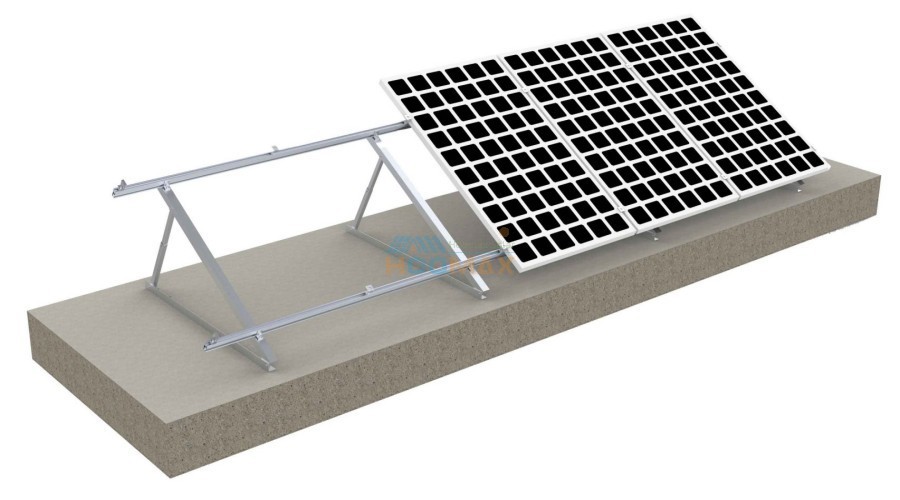
Fixed mounting brackets are the simplest type, holding solar panels at a set angle. They are cost-effective and commonly used in residential installations.
2. Adjustable Mounting Brackets
Adjustable brackets allow for changes in the angle of the solar panels throughout the year. This flexibility can significantly enhance energy production.
3. Tracking Mounting Systems
These sophisticated systems follow the sun's path, ensuring that panels receive maximum sunlight. While they can be more expensive, they often lead to higher energy yields.
The Need for Corrosion-Resistant Materials
Solar installations face various environmental challenges, including moisture, salt, and pollutants. Corrosion can significantly affect the integrity of mounting brackets, leading to reduced performance and potential system failure.
Common Corrosive Elements
Understanding the elements that contribute to corrosion is essential for selecting the right materials for solar panel mounting brackets:
1. Humidity and Rain
Moisture can lead to rust and deterioration, particularly in areas with high humidity. It is crucial to choose materials that can withstand wet conditions.
2. Salt Exposure
For installations near coastal areas, salt from the ocean air can accelerate corrosion. This necessitates the use of materials specifically designed to withstand such environments.
3. Chemical Pollutants
In urban environments, air pollutants can also contribute to corrosion. Brackets must be resistant to these chemicals to ensure longevity.
Benefits of Corrosion-Resistant Solar Panel Mounting Brackets
Choosing corrosion-resistant mounting brackets provides several advantages, including:
1. Increased Longevity
Corrosion-resistant materials significantly enhance the lifespan of solar panel mounting brackets. By minimizing the risk of rust and degradation, these brackets can last for decades, which is essential for any solar power investment.
2. Enhanced Performance
When mounting brackets corrode, they can lose their structural integrity, affecting the angle and position of the solar panels. This misalignment can lead to reduced energy output. Corrosion-resistant brackets maintain optimal positioning, ensuring maximum sunlight exposure.
3. Cost-Effectiveness
Although corrosion-resistant mounting brackets may have a higher initial cost, their durability leads to lower maintenance costs and fewer replacements over time. This makes them a smart investment for long-term solar power systems.
4. Safety and Security
Corrosion can lead to mounting failures, which can pose safety risks. Corrosion-resistant mounting brackets provide peace of mind, ensuring that solar panels remain securely in place regardless of environmental conditions.
Materials for Corrosion-Resistant Mounting Brackets
Selecting the right material is fundamental to the durability of solar panel mounting brackets. The most common materials used for corrosion resistance include:
1. Stainless Steel
Stainless steel offers excellent corrosion resistance due to its chromium content, making it ideal for various environments. Its strength and durability ensure that solar panels remain securely mounted.
2. Aluminum
Aluminum is lightweight and resistant to corrosion, especially when anodized. It is commonly used in solar mounting systems due to its favorable strength-to-weight ratio.
3. Galvanized Steel
Galvanized steel undergoes a protective zinc coating process, providing a barrier against rust. It is a cost-effective option, especially in less corrosive environments.
4. Composite Materials
Emerging composite materials also offer corrosion resistance and are lightweight, making them attractive alternatives for solar panel mounting solutions.
Installation Tips for Corrosion-Resistant Solar Panel Mounting Brackets
Proper installation of solar panel mounting brackets is essential for maximizing their benefits. Here are some installation tips to consider:
1. Choose the Right Location
Ensure that the installation site is optimal for sunlight exposure. Avoid areas with excessive moisture and pollutants.
2. Utilize Quality Fasteners
Using high-quality, corrosion-resistant fasteners is vital for the structural integrity of the mounting system. Stainless steel or coated fasteners are preferred.
3. Follow Manufacturer Guidelines
Always follow the manufacturer's instructions for installation. Adhering to specified torque settings and assembly procedures is crucial for ensuring safety.
4. Regular Inspections
Conduct regular inspections of the mounting system to identify any signs of corrosion or wear. Early detection can prevent costly repairs and ensure optimal performance.
Environmental Considerations
The choice of corrosion-resistant materials also contributes to sustainability efforts in solar power. By ensuring that solar systems have a long lifespan, we reduce waste and the need for frequent replacements.
1. Eco-Friendly Material Choices
Selecting environmentally friendly materials helps further sustainability goals. Investigate suppliers who prioritize eco-friendly practices and materials.
2. Recycling Options
Consider the recyclability of the materials used in mounting brackets. This contributes to a circular economy and reduces the overall environmental footprint of solar installations.
FAQs about Corrosion-Resistant Solar Panel Mounting Brackets
1. Why are corrosion-resistant solar panel mounting brackets essential?
Corrosion-resistant brackets enhance the durability and performance of solar panels, ensuring they remain securely mounted and aligned for optimal sunlight exposure.
2. What materials are best for corrosion resistance?
Common materials include stainless steel, aluminum, galvanized steel, and composite materials, each offering varying degrees of corrosion resistance.
3. How can I prevent corrosion on my solar panel mounting system?
Choose high-quality, corrosion-resistant materials, ensure proper installation, and conduct regular maintenance checks to identify and address any issues early.
4. Are corrosion-resistant mounting brackets more expensive?
While they may have a higher upfront cost, corrosion-resistant brackets typically offer greater long-term savings due to their durability and reduced need for maintenance.
5. How often should I inspect my solar panel mounting system?
Regular inspections should be conducted at least annually, with more frequent checks recommended in harsh environments or after severe weather events.
Conclusion
In summary, the importance of using corrosion-resistant solar panel mounting brackets cannot be overstated. They are essential for ensuring the longevity, efficiency, and safety of solar energy systems. By investing in high-quality, corrosion-resistant materials and following best installation practices, we can maximize the benefits of solar energy while contributing to a sustainable future. As the demand for renewable energy continues to rise, understanding and prioritizing the right mounting solutions will lead to a more efficient and reliable solar power experience.



Room 601,No.368,Quanyutong Business center,Xianhou She,Huli District,Xiamen,China
Copyright © 2025 Xiamen Hoomax Solar Technology CO., LTD. ALL Rights Reserve.