Agrivoltaic Mounting Systems: Building Resilient Communities Through Energy Innovation
Release time:
2026-02-24
Agrivoltaic Mounting Systems: Building Resilient Communities Through Energy Innovation Introduction to Agrivoltaics In recent years, the concept of agrivoltaics has gained substantial traction as a viable solution for addressing the dual challenges of food production and renewable energy generation. Agrivoltaic systems, which utilize land for both agricultural and solar energy production, present
Agrivoltaic Mounting Systems: Building Resilient Communities Through Energy Innovation
Introduction to Agrivoltaics
In recent years, the concept of agrivoltaics has gained substantial traction as a viable solution for addressing the dual challenges of food production and renewable energy generation. Agrivoltaic systems, which utilize land for both agricultural and solar energy production, present an innovative approach to creating sustainable, resilient communities. This article delves into the intricacies of agrivoltaic mounting systems, examining their benefits, design considerations, and potential impacts on local economies and the environment.
Understanding Agrivoltaic Systems
What are Agrivoltaic Systems?
Agrivoltaic systems combine agriculture and solar photovoltaics (PV) to maximize land use efficiency. These systems allow the simultaneous cultivation of crops and the installation of solar panels, creating a symbiotic relationship between farming and energy generation. By harnessing sunlight for solar energy while also using the same land for food production, agrivoltaics optimize resources and promote sustainability.
The Role of Agrivoltaic Mounting Systems
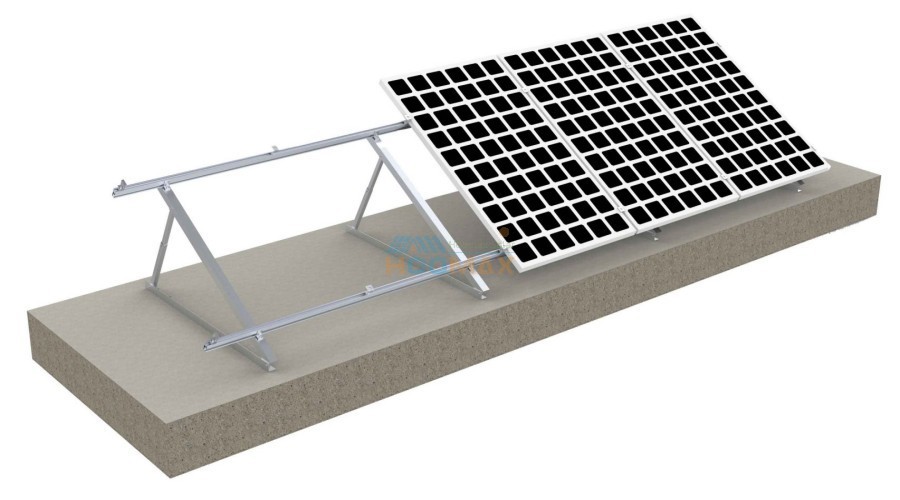
Agrivoltaic mounting systems are critical components that support solar panels above crops or pastureland. They are designed to minimize shading on crops while maximizing the amount of solar energy captured. These mounting systems come in various designs, including fixed tilt, single-axis tracking, and dual-axis tracking, each offering unique benefits and challenges.
The Benefits of Agrivoltaic Mounting Systems
1. Increased Land Efficiency
One of the most significant advantages of agrivoltaic systems is their ability to increase land efficiency. By utilizing the same plot of land for both agriculture and solar energy production, farmers can generate additional income from their land without sacrificing crop production.
2. Sustainable Energy Production
Agrivoltaic systems contribute to sustainable energy production by harnessing solar power. This renewable energy source reduces dependence on fossil fuels and lowers greenhouse gas emissions, making it a vital component of global efforts to combat climate change.
3. Improved Crop Resilience
Solar panels can provide shade for crops, protecting them from extreme weather conditions such as excessive heat or strong winds. This microclimate effect can enhance crop resilience, leading to improved yields and reduced water demand.
4. Economic Diversification for Farmers
By integrating solar energy production, farmers can diversify their income streams. This economic resilience is particularly important in regions prone to drought or fluctuating commodity prices, offering financial stability and security.
5. Community Benefits and Job Creation
The implementation of agrivoltaic systems can stimulate local economies by creating jobs in installation, maintenance, and farming operations. Additionally, communities benefit from increased access to renewable energy and potential reductions in energy costs.
Design Considerations for Agrivoltaic Mounting Systems
1. Site Assessment and Selection
Before implementing an agrivoltaic system, careful site assessment is crucial. Factors such as soil type, land slope, and existing vegetation must be evaluated to determine the most suitable location for installation. Additionally, proximity to existing electrical infrastructure can minimize costs and enhance efficiency.
2. Solar Panel Configuration
Choosing the right configuration for solar panels is essential for optimizing both energy production and crop yield. Fixed tilt systems are simpler and less expensive to install, while tracking systems can increase energy production by up to 30%. The decision will depend on the specific agricultural needs and the desired energy output.
3. Crop Selection
Not all crops thrive under solar panels. Selecting the right crops that can tolerate partial shade and benefit from the microclimate created by the panels is vital. Crops such as leafy greens, herbs, and certain fruits have shown promising results in agrivoltaic systems.
4. Water Management
Effective water management is crucial in agrivoltaic systems. The shading from solar panels can reduce evaporation, but it may also impact precipitation patterns in the area. Implementing efficient irrigation techniques, such as drip irrigation, can help ensure optimal crop growth.
Case Studies of Successful Agrivoltaic Implementations
1. The Solar Farm in Illinois
In Illinois, a large agrivoltaic project has successfully integrated solar panels with soybean cultivation. The project has demonstrated that solar energy generation and crop production can coexist, leading to increased yields and energy savings for local farmers.
2. Germany's Innovative Approach
Germany has been at the forefront of agrivoltaic research and development. Projects across the country have shown that using solar panels as a protective cover for crops can lead to increased resilience against weather fluctuations while generating significant amounts of renewable energy.
The Future of Agrivoltaic Systems
As the world faces growing challenges related to climate change, food security, and energy demands, agrivoltaic systems offer a promising solution. Ongoing research and technological advancements are likely to improve the efficiency, affordability, and scalability of these systems in the coming years.
1. Technological Innovations
Emerging technologies such as lightweight solar panels, advanced tracking systems, and integrated smart farming solutions are set to enhance agrivoltaic systems. These innovations will not only improve energy output but also provide valuable data for better crop management.
2. Policy Support and Incentives
Government policies and incentives play a critical role in promoting agrivoltaic systems. Supportive legislation can encourage investment, foster research, and facilitate collaborations between farmers, energy companies, and researchers.
FAQs About Agrivoltaic Mounting Systems
1. What types of crops can be grown under solar panels?
Many crops thrive in partial shade, including leafy greens, herbs, and specific fruits. The choice of crops will depend on local climate conditions and solar panel configurations.
2. How much land is needed for an agrivoltaic system?
The land required varies based on the scale of energy generation and agricultural production goals. However, agrivoltaic systems typically require less land than traditional solar farms since they utilize existing farmland.
3. Are agrivoltaic systems economically viable?
Yes, agrivoltaic systems can provide additional income for farmers and reduce operating costs by generating renewable energy. The economic viability depends on local energy prices and crop yields.
4. Can agrivoltaic systems help combat climate change?
By reducing reliance on fossil fuels and improving agricultural resilience, agrivoltaic systems play a crucial role in mitigating climate change impacts while promoting sustainable practices.
5. What are the challenges of implementing agrivoltaic systems?
Challenges may include initial investment costs, site selection, technology integration, and the need for supportive policies. However, ongoing advancements and research continue to address these challenges.
Conclusion
Agrivoltaic mounting systems represent a transformative approach to addressing the intertwined challenges of energy generation and food production. By integrating solar energy with agricultural practices, we can create resilient communities that thrive on sustainability and innovation. The benefits are clear: increased land efficiency, improved crop resilience, and economic diversification for farmers. As technology advances and policies support this innovative approach, agrivoltaic systems will undoubtedly play a pivotal role in shaping the future of energy and agriculture, contributing significantly to a sustainable and resilient planet.



Room 601,No.368,Quanyutong Business center,Xianhou She,Huli District,Xiamen,China
Copyright © 2025 Xiamen Hoomax Solar Technology CO., LTD. ALL Rights Reserve.