How to Choose the Right Solar Ground Mounting System for Your Needs
Release time:
2026-02-22
How to Choose the Right Solar Ground Mounting System for Your Needs Table of Contents Understanding Solar Ground Mounting Systems Types of Solar Ground Mounting Systems Factors to Consider When Choosing a Mounting System Installation Requirements and Guidelines Benefits of a Properly Chosen Ground Mount System Frequently Asked Questions Conclusion Understanding Solar
How to Choose the Right Solar Ground Mounting System for Your Needs
Table of Contents
- Understanding Solar Ground Mounting Systems
- Types of Solar Ground Mounting Systems
- Factors to Consider When Choosing a Mounting System
- Installation Requirements and Guidelines
- Benefits of a Properly Chosen Ground Mount System
- Frequently Asked Questions
- Conclusion
Understanding Solar Ground Mounting Systems
Solar ground mounting systems are essential components for any solar photovoltaic (PV) installation. These systems securely hold solar panels in place, ensuring they receive maximum sunlight exposure throughout the day. Unlike roof-mounted systems, which can be limited by the structure and orientation of the roof, ground mounts offer greater flexibility in placement and configuration.
The right solar ground mounting system plays a crucial role in the overall effectiveness of your solar energy system. **Choosing wisely** can enhance your energy production, reduce maintenance costs, and prolong the lifespan of your solar installation.
Types of Solar Ground Mounting Systems
When it comes to solar ground mounting systems, several configurations are available, each with specific benefits and use cases. Understanding these types is essential for making an informed decision.
1. Fixed Tilt Ground Mounts
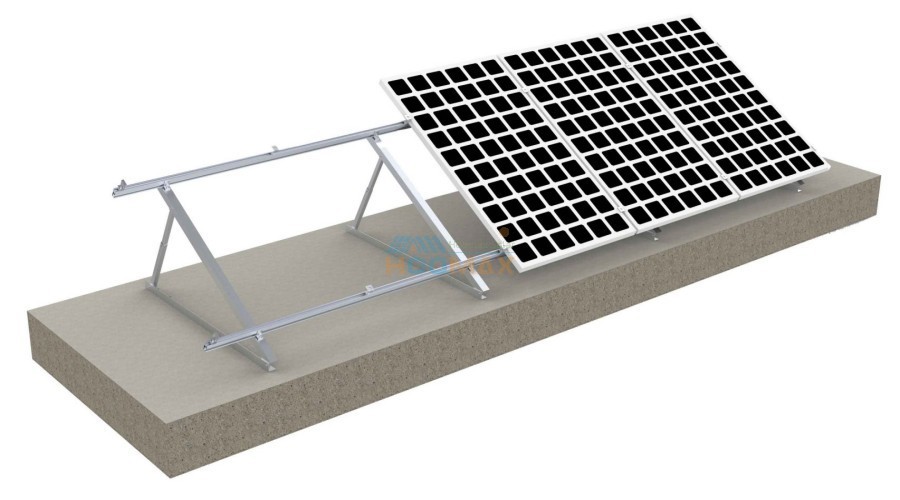
Fixed tilt ground mounts are the most straightforward and economical option. As the name suggests, these systems maintain a fixed angle throughout the year. They are typically set at an angle that optimizes solar exposure based on the local latitude.
**Advantages**:
- **Cost-effective**: Lower upfront costs compared to other systems.
- **Simplicity**: Easier to install and maintain.
**Disadvantages**:
- **Seasonal inefficiency**: May not capture optimal sunlight during certain times of the year.
2. Adjustable Ground Mounts
Adjustable ground mounts allow for seasonal angle adjustments. Users can change the tilt of the panels to optimize solar energy capture based on seasonal sunlight patterns.
**Advantages**:
- **Increased efficiency**: Better energy production throughout the year.
- **Flexibility**: Adaptable to changing sunlight conditions.
**Disadvantages**:
- **Higher cost**: More complex and expensive than fixed systems.
- **Maintenance**: Requires regular adjustments and potential mechanical upkeep.
3. Tracker Mounts
Tracker mounts are advanced systems designed to follow the sun's movement from east to west throughout the day. This dynamic tracking allows for maximum exposure and energy generation.
**Advantages**:
- **Optimal energy capture**: Can significantly increase energy production (up to 25% more than fixed systems).
- **Innovative technology**: Often utilizes solar tracking technology for enhanced performance.
**Disadvantages**:
- **Cost**: Higher initial investment and potential maintenance needs.
- **Complexity**: Installation can be more challenging due to moving parts.
Factors to Consider When Choosing a Mounting System
Selecting the right solar ground mounting system involves careful consideration of various factors. Here, we outline the key elements to evaluate in your decision-making process.
1. Site Conditions
Assessing your site conditions is paramount. Evaluate the land's slope, soil type, and potential shading from nearby structures or trees. Ideal conditions include:
- **Flat, well-drained ground**: Ensures stability and reduces installation complications.
- **Minimal shading**: Maximizes sunlight exposure for higher energy yields.
2. Local Climate
Understanding your local climate is crucial. Different weather patterns can influence your choice of mounting system. For example:
- **Snow load**: Fixed mounts may be more suitable in areas prone to heavy snowfall.
- **Wind resistance**: Tracker and adjustable mounts need to withstand local wind conditions.
3. Budget Constraints
Establishing a budget is vital for determining which mounting system aligns with your financial capabilities. Remember to account for both initial installation costs and long-term maintenance expenses.
4. Energy Needs and Goals
Consider your energy goals. If you aim for maximum energy production and efficiency, investing in a more advanced tracking system may be beneficial. Conversely, a fixed mount may suffice for smaller-scale operations with modest energy needs.
5. Local Regulations and Permits
Before proceeding with installation, check local regulations and permitting requirements. Some locations have specific guidelines governing ground-mounted solar systems, including height restrictions and land use considerations.
Installation Requirements and Guidelines
A successful solar ground mounting system installation requires following specific guidelines. Here’s what you need to know.
1. Professional Installation
While DIY installation may seem appealing to reduce costs, hiring a professional installer is advisable. Experienced technicians ensure compliance with local codes and industry standards, guaranteeing safety and effectiveness.
2. Site Assessment
Conduct a thorough site assessment prior to installation. This includes soil testing to determine the best foundation type, ensuring the structure can support the weight of the panels, and checking for underground utilities.
3. Mounting Foundations
The foundation type will depend on soil conditions and the type of mounting system. Common foundation types include:
- **Concrete piers**: Suitable for various soil types and provide stable support.
- **Ground screws**: Ideal for quick installation and minimal soil disturbance.
4. Wiring and Connections
Proper wiring and connections are essential for optimal performance. Use high-quality solar cables and connectors to ensure safety and reduce energy loss. Follow manufacturer's guidelines for all electrical installations.
Benefits of a Properly Chosen Ground Mount System
Selecting the right solar ground mounting system can lead to numerous benefits, including:
1. Increased Energy Production
A well-designed mounting system maximizes sunlight exposure, enhancing the overall energy output of your solar panel system. This translates into lower electricity bills and a faster return on investment.
2. Reduced Maintenance Costs
Investing in a durable and weather-resistant mounting system minimizes the need for frequent repairs or replacements, saving you money and hassle in the long run.
3. Enhanced System Longevity
Properly installed ground mounting systems protect solar panels from potential damage caused by environmental factors, thereby extending their operational life.
Frequently Asked Questions
1. What is the average lifespan of a solar ground mounting system?
The lifespan of a solar ground mounting system typically ranges from 25 to 30 years, depending on the materials used and environmental factors.
2. Can I install a solar ground mounting system myself?
While DIY installation is possible, hiring a professional is recommended to ensure compliance with safety standards and local regulations.
3. Will my solar ground mount system withstand high winds?
Yes, but it will depend on the design and materials used. Consult with your installer about wind resistance ratings for your chosen system.
4. Are there any permits required for installing a ground-mounted solar system?
Yes, permits may be required depending on local regulations. Always check with your local authority before installation.
5. How can I maximize the efficiency of my solar ground mounting system?
Maximize efficiency by ensuring optimal panel orientation, minimizing shading, and performing regular maintenance checks.
Conclusion
Choosing the right solar ground mounting system is essential for maximizing your solar energy production and ensuring the longevity of your investment. By understanding the different types of mounting systems, considering crucial factors like site conditions and energy needs, and following proper installation guidelines, you can effectively harness the power of solar energy. This not only contributes to significant cost savings but also promotes a sustainable future. Investing time in selecting the ideal system will ensure that you enjoy the benefits of solar energy for years to come.



Room 601,No.368,Quanyutong Business center,Xianhou She,Huli District,Xiamen,China
Copyright © 2025 Xiamen Hoomax Solar Technology CO., LTD. ALL Rights Reserve.