Solar Mounting System for Flat Roofs Accelerating the Adoption of Urban Renewable Energy Solutions
Release time:
2026-06-16
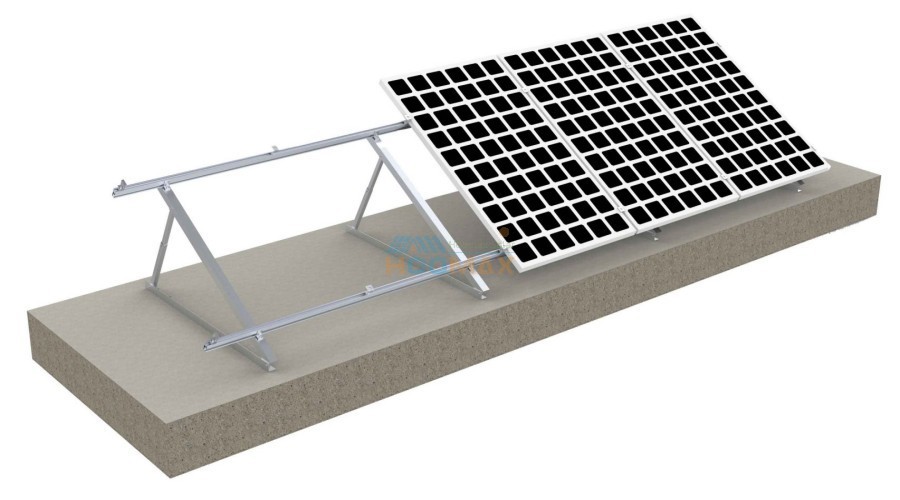
solar mounting system for flat roofs provides reliable panel support with optimized tilt design for maximum sunlight exposure featuring easy installation strong wind resistance and long term durability for commercial and residential solar projects
As cities worldwide continue to pursue sustainable development and energy independence, rooftop solar installations have become an increasingly important source of clean electricity. Among various installation methods, the solar mounting system for flat roofs has gained significant attention due to its flexibility, efficiency, and suitability for commercial, industrial, and residential buildings. By providing a stable and optimized platform for photovoltaic modules, these systems are helping unlock the vast solar potential of urban rooftops.
A solar mounting system for flat roofs is specifically engineered to support solar panels on buildings with low-slope or completely flat roof structures. Unlike pitched roof installations that rely on the existing roof angle, flat roof systems allow designers to determine the optimal tilt and orientation of solar modules to maximize energy production. This flexibility enables better utilization of available roof space and improves overall system performance.
One of the primary advantages of a solar mounting system for flat roofs is its adaptability. Modern systems can be configured using ballast-mounted, mechanically attached, or hybrid installation methods depending on roof conditions and project requirements. This allows installers to select the most appropriate solution while minimizing structural impact on the building.
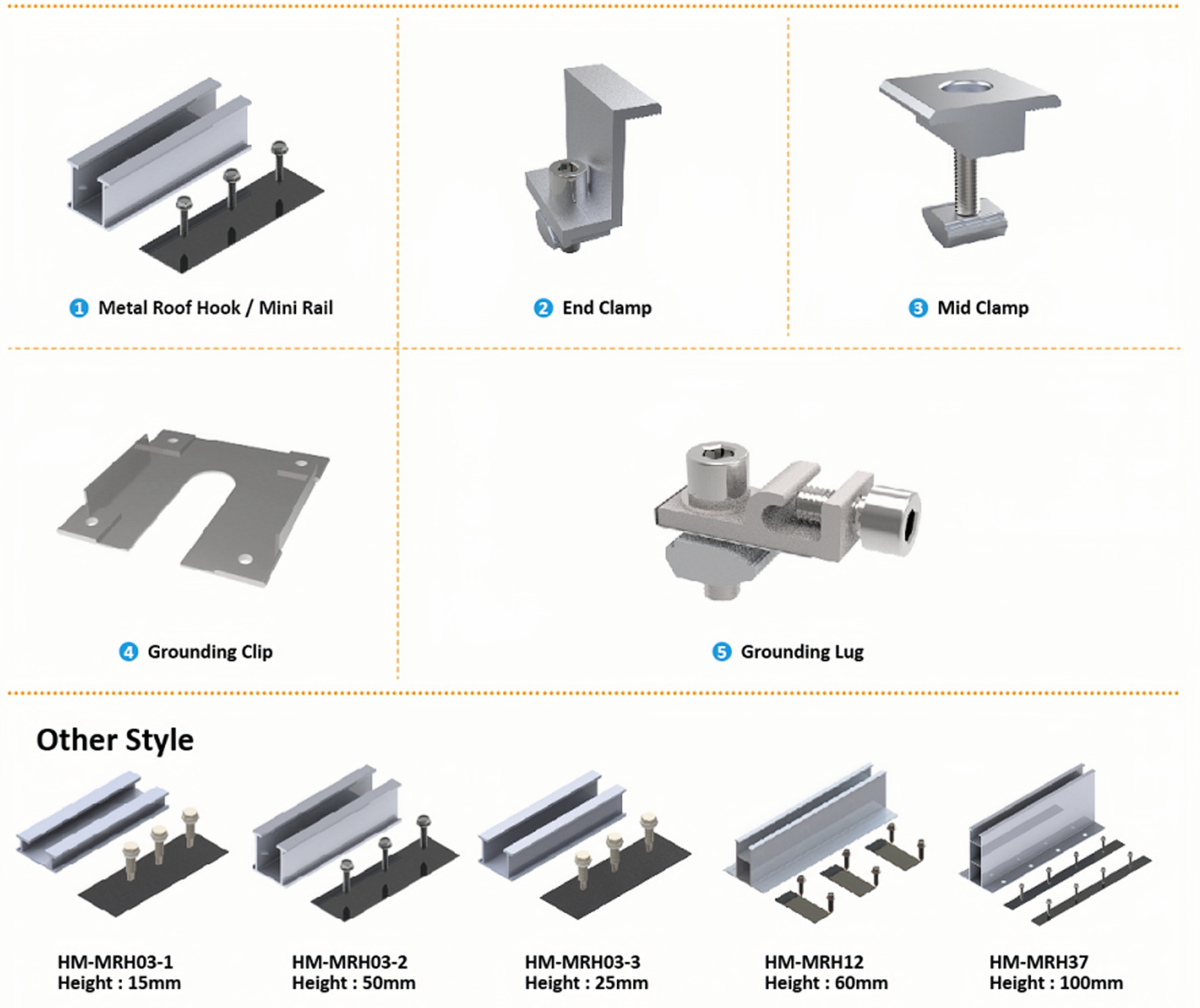
As the demand for distributed solar energy continues to grow, building owners are increasingly seeking solutions that combine energy efficiency with simple installation. The solar mounting system for flat roofs is designed with modular components that streamline assembly and reduce installation time. Pre-engineered structures and adjustable supports help ensure accurate positioning while lowering labor costs and project complexity.
Durability is another key factor contributing to the popularity of these systems. High-quality solar mounting system for flat roofs solutions are commonly manufactured from corrosion-resistant aluminum alloys, stainless steel, and galvanized steel. These materials provide long-term protection against harsh weather conditions, including heavy rain, strong winds, snow loads, and prolonged UV exposure. As a result, the mounting structure can maintain reliable performance throughout the lifespan of the photovoltaic system.
Safety and structural stability are also essential considerations. Advanced engineering analysis ensures that the solar mounting system for flat roofs can effectively distribute loads across the roof surface while maintaining resistance to uplift forces caused by wind. This contributes to both building safety and long-term operational reliability.
Recent technological developments have further improved the performance of flat roof solar installations. Aerodynamic designs help reduce wind pressure on solar arrays, while adjustable tilt systems enable project developers to optimize energy output according to geographic location and seasonal solar conditions. These innovations contribute to higher electricity generation and improved economic returns.
The growing adoption of commercial rooftop solar projects has also highlighted the importance of efficient space utilization. A solar mounting system for flat roofs allows flexible module layouts that can accommodate rooftop equipment, maintenance pathways, and future expansion requirements. This makes it an ideal solution for warehouses, manufacturing facilities, office buildings, shopping centers, and public institutions.
As global investment in renewable energy continues to expand, the solar mounting system for flat roofs is expected to play an increasingly important role in urban solar development. By combining structural reliability, installation efficiency, and long-term durability, these systems provide a strong foundation for sustainable power generation and support the transition toward a cleaner energy future.



Room 601,No.368,Quanyutong Business center,Xianhou She,Huli District,Xiamen,China
Copyright © 2025 Xiamen Hoomax Solar Technology CO., LTD. ALL Rights Reserve.