Large Scale Solar Mounting System Strengthening the Foundation of Utility-Scale Renewable Energy Projects
Release time:
2026-06-16
large scale solar mounting system is engineered for utility and commercial solar projects offering strong structural stability efficient installation and long term durability helping maximize energy generation and project performance in diverse environments
As countries around the world accelerate their transition toward clean energy, utility-scale solar power plants are becoming a major contributor to global electricity generation. Behind every successful solar farm lies a reliable structural framework capable of supporting thousands of photovoltaic modules for decades. The large scale solar mounting system has emerged as a critical component in this transformation, providing the stability, durability, and efficiency required for modern solar energy infrastructure.
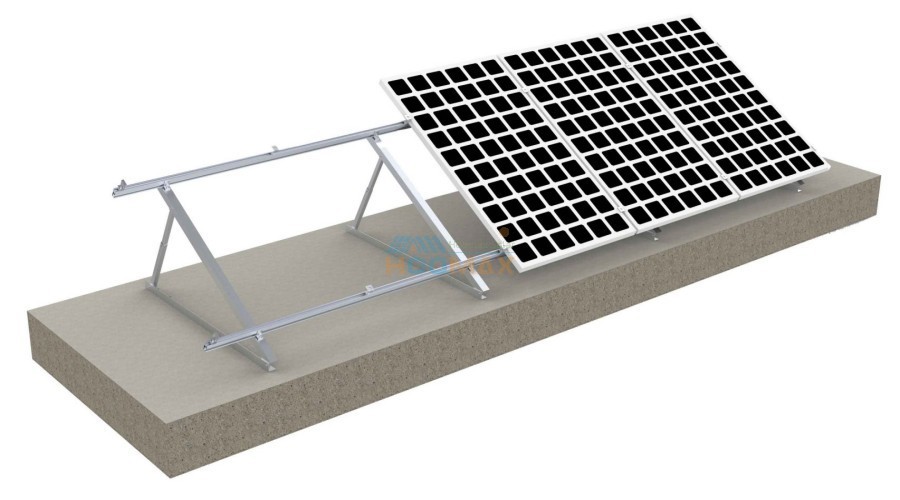
A large scale solar mounting system is designed to support extensive arrays of solar panels across vast areas of land. These systems form the structural backbone of solar power plants, ensuring that photovoltaic modules remain securely positioned while maximizing sunlight exposure throughout their operational lifespan. From ground-mounted installations in deserts to renewable energy projects on agricultural land and industrial sites, mounting systems play a vital role in overall project performance.
One of the key advantages of a large scale solar mounting system is its ability to optimize energy generation. Advanced engineering allows structures to be configured at ideal tilt angles and orientations based on local geographic conditions. By maximizing solar irradiation capture, these systems help improve power output and enhance the long-term return on investment of solar projects.
The rapid growth of utility-scale solar development has increased demand for highly durable support structures. Modern large scale solar mounting system solutions are manufactured using high-strength galvanized steel, aluminum alloys, and corrosion-resistant materials that can withstand decades of exposure to wind, rain, snow, humidity, and temperature fluctuations. This durability is essential for ensuring reliable operation over the 25 to 30-year lifespan typically expected from solar power installations.
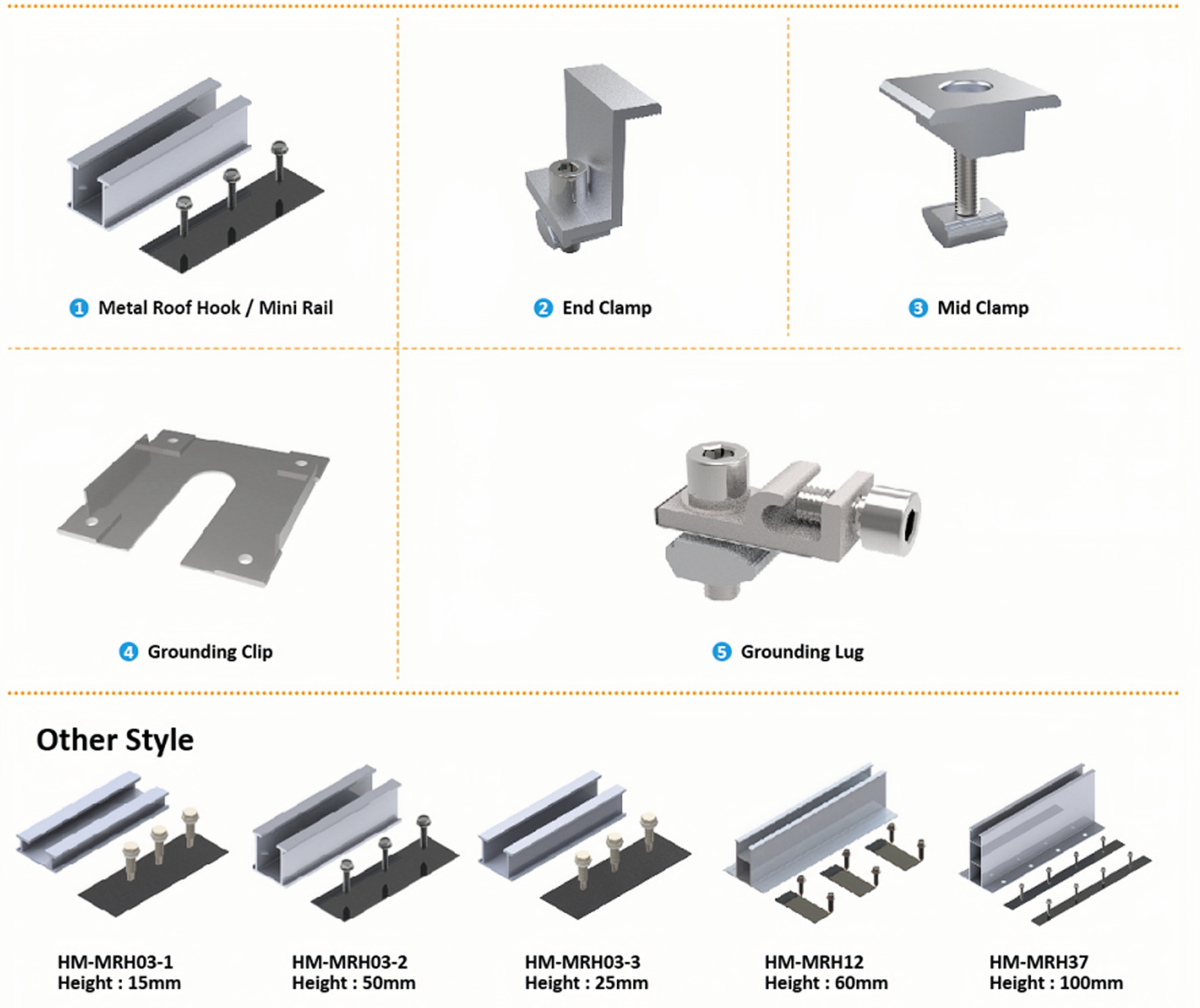
Installation efficiency has also become a major focus within the industry. Engineers continue to develop modular large scale solar mounting system designs that simplify transportation, reduce assembly time, and lower labor requirements. Pre-engineered components and standardized connections enable faster deployment, helping developers complete projects within tight construction schedules while maintaining high quality standards.
In addition to structural strength, adaptability is another important characteristic. A large scale solar mounting system can be customized to accommodate different terrain conditions, including flat land, sloped areas, rocky surfaces, and uneven ground. This flexibility allows solar developers to maximize land utilization and expand renewable energy projects into a wider range of geographic locations.
Recent innovations have further improved system performance through integration with solar tracking technologies. When combined with single-axis or dual-axis trackers, a large scale solar mounting system can increase energy production by allowing solar modules to follow the movement of the sun throughout the day. This enhancement helps utility-scale facilities achieve higher efficiency and improved project economics.
As governments, utilities, and private investors continue expanding renewable energy portfolios, the importance of dependable solar infrastructure continues to grow. The large scale solar mounting system serves as the foundation that supports long-term energy generation, operational safety, and project sustainability.
With advancements in engineering, materials science, and installation technology, the large scale solar mounting system is expected to remain a key enabler of global solar energy expansion. By delivering strength, flexibility, and long-term reliability, these systems help drive the development of cleaner and more sustainable power generation worldwide.



Room 601,No.368,Quanyutong Business center,Xianhou She,Huli District,Xiamen,China
Copyright © 2025 Xiamen Hoomax Solar Technology CO., LTD. ALL Rights Reserve.