Maximizing Solar Efficiency: The Benefits of Agrivoltaic Mounting Systems
Release time:
2026-04-15
Maximizing Solar Efficiency: The Benefits of Agrivoltaic Mounting Systems Table of Contents 1. Introduction to Agrivoltaic Systems 2. What are Agrivoltaic Systems? 3. How Agrivoltaic Mounting Systems Work 4. Key Benefits of Agrivoltaic Systems 4.1 Enhanced Solar Efficiency 4.2 Crop Yield Improvement 4.3 Water Conservation 4.
Maximizing Solar Efficiency: The Benefits of Agrivoltaic Mounting Systems
Table of Contents
- 1. Introduction to Agrivoltaic Systems
- 2. What are Agrivoltaic Systems?
- 3. How Agrivoltaic Mounting Systems Work
- 4. Key Benefits of Agrivoltaic Systems
- 4.1 Enhanced Solar Efficiency
- 4.2 Crop Yield Improvement
- 4.3 Water Conservation
- 4.4 Biodiversity Support
- 4.5 Economic Viability
- 5. Implementing Agrivoltaic Systems on Your Farm
- 6. Challenges and Solutions
- 7. The Future of Agrivoltaic Systems
- 8. Frequently Asked Questions
- 9. Conclusion
1. Introduction to Agrivoltaic Systems
Agrivoltaic systems represent a groundbreaking approach to synergizing agriculture and solar energy production. By allowing crops to grow beneath solar panels, this innovative technology maximizes land use efficiency and optimizes solar energy capture. In a world increasingly aware of climate change and sustainability, agrivoltaic systems offer a dual solution that supports food production alongside renewable energy generation.
2. What are Agrivoltaic Systems?
Agrivoltaics, also known as solar agriculture, refers to the practice of using land for both agriculture and solar energy production. This dual-use approach is particularly beneficial in regions with limited arable land. Solar panels are elevated to allow for farming activities below, creating a harmonious balance between energy generation and crop cultivation. Utilizing agrivoltaic systems effectively addresses the growing demand for renewable energy while ensuring food security.
3. How Agrivoltaic Mounting Systems Work
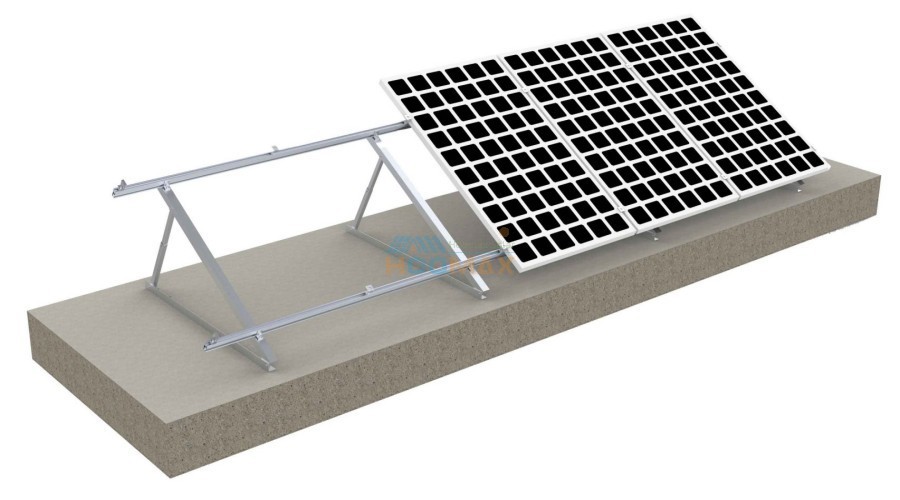
Agrivoltaic mounting systems are designed to support solar panels at a height that enables agricultural practices to continue underneath. The principles behind these systems include:
- **Flexible Mounting Structures**: These mountings can be adjusted to different angles and heights, accommodating various crop types and solar panel orientations.
- **Optimized Light Penetration**: By analyzing light conditions, agrivoltaic systems ensure that crops receive sufficient sunlight while maximizing solar panel efficiency.
- **Soil Health**: The shading effects of solar panels can reduce soil evaporation and temperature, creating a microclimate conducive to crop growth.
This dual functionality ensures that land is used efficiently, promoting sustainable farming practices while generating clean energy.
4. Key Benefits of Agrivoltaic Systems
The adoption of agrivoltaic systems presents numerous benefits for farmers, energy producers, and the environment.
4.1 Enhanced Solar Efficiency
Agrivoltaic systems increase solar energy yield by optimizing the angle and exposure of solar panels. When mounted above crops, panels can capture sunlight without significant obstruction, improving overall efficiency. Additionally, the cooling effect of the crops below can enhance panel performance, allowing for greater energy output.
4.2 Crop Yield Improvement
Research indicates that crops grown in the shade of solar panels can experience enhanced growth due to reduced stress from heat exposure. The moderated microclimate can lead to increased crop yields, particularly in regions prone to drought or extreme temperatures. Farmers benefit from dual income streams—both agricultural produce and energy sales.
4.3 Water Conservation
Agrivoltaic systems can significantly reduce water consumption in agriculture. The shade provided by solar panels minimizes evaporation from the soil, helping retain moisture during dry periods. This leads to lower irrigation needs and supports sustainable water management practices.
4.4 Biodiversity Support
By integrating solar energy production with farming, agrivoltaic systems can promote biodiversity. The combination of habitats created by solar panels can attract beneficial insects and wildlife, fostering a healthier ecosystem. This biodiversity can lead to improved pollination and pest management, ultimately benefiting crop production.
4.5 Economic Viability
Investing in agrivoltaic systems can provide farmers with an additional revenue stream through energy sales while maintaining agricultural productivity. Incentives, grants, and subsidies from governments aimed at increasing renewable energy adoption can further enhance financial viability, making this a favorable option for farmers in various regions.
5. Implementing Agrivoltaic Systems on Your Farm
Implementing an agrivoltaic system requires careful planning and consideration. Here are steps to guide farmers through the process:
- **Site Assessment**: Evaluate land suitability for both agriculture and solar energy production. Consider factors such as soil quality, sunlight exposure, and local regulations.
- **Technology Selection**: Choose appropriate solar technology that aligns with specific agricultural needs. Options include fixed or tracking systems.
- **Design and Layout**: Plan the layout of solar panels to optimize space while ensuring crops receive adequate light. The distance between rows is critical to allow for farming operations.
- **Installation**: Engage experienced professionals for installation to ensure efficiency and compliance with local standards.
- **Monitoring and Maintenance**: Regularly monitor the performance of both agricultural and energy production aspects to identify areas for improvement.
6. Challenges and Solutions
While agrivoltaic systems offer numerous benefits, challenges exist that need addressing:
- **Initial Investment Costs**: The upfront expense of installing agrivoltaic systems can be significant. However, long-term savings and government incentives can offset these costs over time.
- **Technical Complexity**: Designing an effective agrivoltaic system requires specialized knowledge. Collaborating with experts can mitigate this challenge.
- **Regulatory Barriers**: Navigating local zoning laws and regulations may pose difficulties. Engaging with policymakers can help facilitate smoother implementation.
7. The Future of Agrivoltaic Systems
The future of agrivoltaic systems looks promising as the demand for sustainable energy and food production continues to grow. Technological advancements in solar energy efficiency, coupled with increasing awareness of climate change, will drive the adoption of this innovative solution. Continued research and development will further enhance the effectiveness of these systems, making them a viable option for farmers worldwide.
8. Frequently Asked Questions
1. What crops are best suited for agrivoltaic systems?
Certain crops that thrive in partial shade, such as leafy greens, herbs, and some fruiting plants, are ideal for agrivoltaic systems. The choice largely depends on the specific microclimate created by the solar panels.
2. How much land is required for an agrivoltaic system?
The amount of land needed depends on the scale of the project and the types of crops and solar technology chosen. A detailed site assessment can provide insights into space requirements.
3. Are agrivoltaic systems economically viable?
Yes, agrivoltaic systems can provide multiple revenue streams through crop sales and energy production, making them economically attractive. Government incentives often further enhance financial feasibility.
4. What are the most common challenges in implementing agrivoltaic systems?
Challenges include high initial investment costs, navigating local regulations, and the technical complexities of system design and installation.
5. How can agrivoltaic systems contribute to sustainability?
By maximizing land use efficiency, conserving water, and promoting biodiversity, agrivoltaic systems play a significant role in enhancing sustainability in both agriculture and energy production.
9. Conclusion
Agrivoltaic mounting systems represent a forward-thinking solution to the challenges of food security and renewable energy generation. By marrying the dual needs of agriculture and solar energy, these systems not only maximize land efficiency but also enhance crop yields, conserve water, and support biodiversity. As we navigate a future increasingly shaped by climate change, agrivoltaics stand as a beacon of hope—empowering farmers and energy producers alike to foster a sustainable and productive landscape.



Room 601,No.368,Quanyutong Business center,Xianhou She,Huli District,Xiamen,China
Copyright © 2025 Xiamen Hoomax Solar Technology CO., LTD. ALL Rights Reserve.