Understanding Zinc Aluminum Magnesium Ground Mounts in Solar Applications
Release time:
2026-04-12
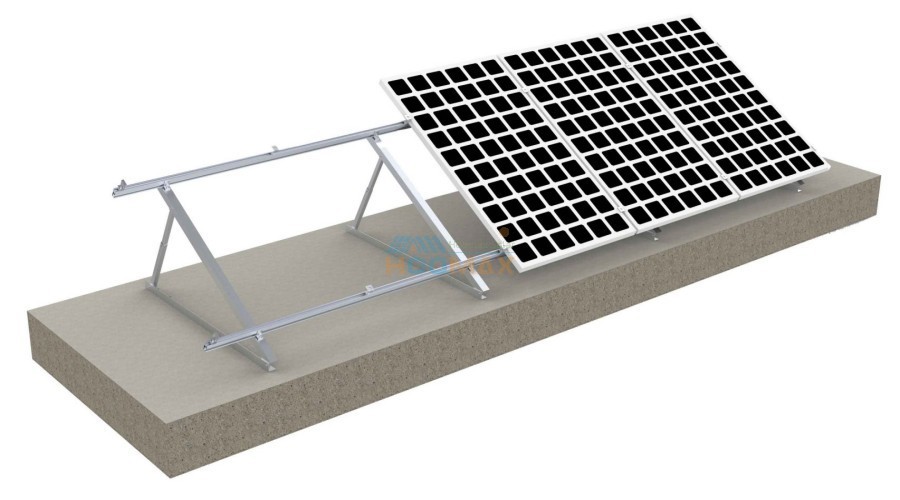
Zinc aluminum magnesium ground mounts serve as essential structural elements in solar energy systems, providing a reliable foundation for photovoltaic panels. These mounts are increasingly popular due to their unique composition, which combines the protective qualities of zinc with the corrosion resistance of aluminum and magnesium. This combination ensures enhanced durability, particularly in har
Zinc aluminum magnesium ground mounts serve as essential structural elements in solar energy systems, providing a reliable foundation for photovoltaic panels. These mounts are increasingly popular due to their unique composition, which combines the protective qualities of zinc with the corrosion resistance of aluminum and magnesium. This combination ensures enhanced durability, particularly in harsh environmental conditions, making them ideal for outdoor installations.
One of the primary advantages of using zinc aluminum magnesium ground mounts is their superior corrosion resistance. Traditional steel mounts often succumb to rust over time, especially when exposed to moisture, humidity, and varying temperatures. In contrast, the zinc coating acts as a sacrificial layer, protecting the underlying aluminum and magnesium from corrosion. This feature extends the lifespan of the ground mounts, ensuring that they maintain their integrity and performance over many years.
In addition to their protective properties, these mounts are designed for easy installation. Their lightweight nature allows for quicker handling and assembly, reducing labor costs and installation time. This efficiency is particularly beneficial in large-scale solar projects where thousands of mounts may be required. By utilizing zinc aluminum magnesium ground mounts, installers can enhance project timelines without compromising quality or safety.
Another notable aspect of these mounts is their environmental sustainability. As the world shifts towards greener energy solutions, using materials that are recyclable and have lower environmental impacts is becoming increasingly important. Zinc aluminum magnesium, having a lower carbon footprint compared to traditional mounting systems, aligns well with the sustainability goals of the solar industry.
When considering zinc aluminum magnesium ground mounts, it is essential to assess the specific requirements of your solar project. Factors such as soil conditions, panel orientation, and local weather patterns can influence the choice of mounting solution. Proper planning and evaluation can help ensure that the selected mounts provide optimal support and performance.
In conclusion, zinc aluminum magnesium ground mounts represent a robust solution for securing solar panels in diverse environmental conditions. Their corrosion resistance, ease of installation, and sustainability make them an attractive option for solar energy projects. By understanding the benefits and considerations associated with these mounts, stakeholders in the solar industry can make informed decisions that enhance the longevity and efficiency of their installations.
One of the primary advantages of using zinc aluminum magnesium ground mounts is their superior corrosion resistance. Traditional steel mounts often succumb to rust over time, especially when exposed to moisture, humidity, and varying temperatures. In contrast, the zinc coating acts as a sacrificial layer, protecting the underlying aluminum and magnesium from corrosion. This feature extends the lifespan of the ground mounts, ensuring that they maintain their integrity and performance over many years.
In addition to their protective properties, these mounts are designed for easy installation. Their lightweight nature allows for quicker handling and assembly, reducing labor costs and installation time. This efficiency is particularly beneficial in large-scale solar projects where thousands of mounts may be required. By utilizing zinc aluminum magnesium ground mounts, installers can enhance project timelines without compromising quality or safety.
Another notable aspect of these mounts is their environmental sustainability. As the world shifts towards greener energy solutions, using materials that are recyclable and have lower environmental impacts is becoming increasingly important. Zinc aluminum magnesium, having a lower carbon footprint compared to traditional mounting systems, aligns well with the sustainability goals of the solar industry.
When considering zinc aluminum magnesium ground mounts, it is essential to assess the specific requirements of your solar project. Factors such as soil conditions, panel orientation, and local weather patterns can influence the choice of mounting solution. Proper planning and evaluation can help ensure that the selected mounts provide optimal support and performance.
In conclusion, zinc aluminum magnesium ground mounts represent a robust solution for securing solar panels in diverse environmental conditions. Their corrosion resistance, ease of installation, and sustainability make them an attractive option for solar energy projects. By understanding the benefits and considerations associated with these mounts, stakeholders in the solar industry can make informed decisions that enhance the longevity and efficiency of their installations.



Room 601,No.368,Quanyutong Business center,Xianhou She,Huli District,Xiamen,China
Copyright © 2025 Xiamen Hoomax Solar Technology CO., LTD. ALL Rights Reserve.