Comparing Different Types of Solar Ground Mounting Systems: A Comprehensive Guide
Release time:
2026-04-13
Comparing Different Types of Solar Ground Mounting Systems Table of Contents Introduction to Solar Ground Mounting Systems Types of Solar Ground Mounting Systems Fixed Ground Mounts Adjustable Ground Mounts Pole-mounted Systems Tracking Systems Advantages of Solar Ground Mounting Systems Factors to Consider Whe
Comparing Different Types of Solar Ground Mounting Systems
Table of Contents
- Introduction to Solar Ground Mounting Systems
- Types of Solar Ground Mounting Systems
- Advantages of Solar Ground Mounting Systems
- Factors to Consider When Choosing a Solar Ground Mount System
- Installation and Maintenance of Solar Ground Mounting Systems
- Cost Analysis of Different Solar Ground Mounting Systems
- Case Studies: Real-World Applications
- Frequently Asked Questions
- Conclusion
Introduction to Solar Ground Mounting Systems
Solar ground mounting systems are essential for the effective installation of solar panels. Unlike rooftop systems, which are limited by the available space on a building, ground mounts can accommodate larger arrays and optimize solar energy collection. This article explores various types of solar ground mounting systems, analyzing their features, benefits, and suitability for different applications. Whether you're a homeowner considering solar energy or a business looking to invest, understanding these systems is crucial for maximizing your solar investment.
Types of Solar Ground Mounting Systems
Selecting the right solar ground mounting system can significantly impact the efficiency and longevity of your solar installation. Below, we compare several popular types of mounting systems, outlining their unique characteristics.
Fixed Ground Mounts
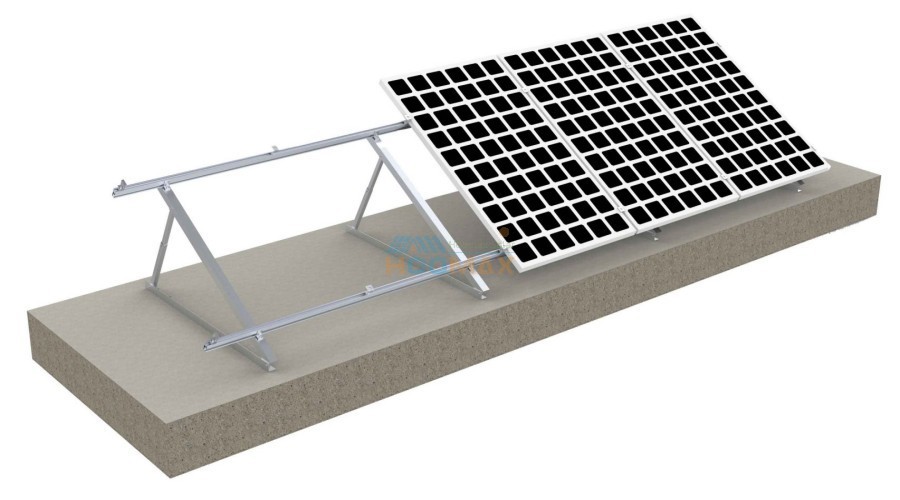
Fixed ground mounts are the most straightforward type of solar mounting system. They hold solar panels at a fixed angle, which is generally optimized for the position of the sun at a specific latitude.
**Advantages of Fixed Ground Mounts:**
- **Simplicity:** These systems are easy to install and require minimal maintenance.
- **Cost-Effective:** Typically, they have lower installation costs compared to other mounting options.
- **Durability:** Sturdy construction ensures durability against harsh weather conditions.
**Drawbacks:**
- **Limited Efficiency:** Fixed mounts do not adjust to the sun’s movement, potentially reducing energy capture.
Adjustable Ground Mounts
Adjustable ground mounts offer flexibility, allowing users to change the angle of their solar panels seasonally or based on specific sun positions.
**Advantages of Adjustable Ground Mounts:**
- **Enhanced Performance:** By adjusting the angle, users can optimize energy collection throughout the year.
- **User-Controlled Efficiency:** Homeowners can make adjustments based on their energy needs.
**Drawbacks:**
- **Increased Complexity:** Installation and adjustments require more effort and knowledge.
- **Higher Costs:** Generally, adjustable mounts are more expensive due to their complexity.
Pole-mounted Systems
Pole-mounted systems elevate solar panels, providing clear space underneath for landscaping or other uses.
**Advantages of Pole-mounted Systems:**
- **Space Efficiency:** Ideal for locations with limited ground space.
- **Improved Drainage:** Elevated panels reduce water pooling and enhance maintenance.
**Drawbacks:**
- **Higher Installation Costs:** More expensive due to the need for deeper foundations and structural support.
- **Limited Panel Count:** Typically, these systems accommodate fewer panels than ground mounts.
Tracking Systems
Tracking systems automatically adjust the position of solar panels throughout the day, following the sun’s trajectory.
**Advantages of Tracking Systems:**
- **Maximized Energy Collection:** Can increase energy output by up to 25-45% compared to fixed systems.
- **Automation:** Requires minimal manual intervention for optimal performance.
**Drawbacks:**
- **Cost:** High initial investment for both equipment and installation.
- **Maintenance:** More moving parts can lead to increased maintenance needs.
Advantages of Solar Ground Mounting Systems
Investing in solar ground mounting systems offers numerous benefits, including:
- **Increased Energy Production:** Ground-mounted systems generally capture more sunlight than rooftop installations.
- **Flexible Sizing:** They can be tailored to fit various system sizes, making them suitable for both residential and commercial applications.
- **Easier Maintenance:** Ground-mounted systems allow for easier access for cleaning and repairs compared to rooftop systems.
- **Scalability:** They can be expanded easily as energy needs increase.
Factors to Consider When Choosing a Solar Ground Mount System
When selecting a solar ground mounting system, consider the following factors:
- **Location:** Assess your land’s topography, soil quality, and local weather patterns.
- **Local Regulations:** Check zoning laws and permits needed for installation.
- **Budget:** Determine your financial capacity for initial investment and ongoing maintenance.
- **Energy Needs:** Evaluate your energy consumption patterns to choose a system that meets your requirements.
Installation and Maintenance of Solar Ground Mounting Systems
Successfully installing a solar ground mounting system involves several steps:
1. **Site Assessment:** Conduct a thorough evaluation of the site to determine the optimal location and type of ground mount.
2. **Foundation Work:** Depending on the mounting type, prepare proper foundations to ensure stability.
3. **Panel Installation:** Securely mount the solar panels, ensuring they are positioned for maximum sun exposure.
4. **Electrical Connections:** Properly connect the panels to the inverter and energy storage systems (if applicable).
**Maintenance Tips:**
- Regularly check for debris accumulation on panels.
- Inspect for structural integrity and any signs of wear.
- Clean panels periodically to maintain efficiency.
Cost Analysis of Different Solar Ground Mounting Systems
The cost of installing solar ground mounting systems can vary significantly based on type, size, and location. Here’s a general breakdown:
- **Fixed Ground Mounts:** $1,500 – $3,000 per kW installed.
- **Adjustable Ground Mounts:** $2,000 – $4,000 per kW installed.
- **Pole-mounted Systems:** $3,000 – $6,000 per kW installed.
- **Tracking Systems:** $4,000 – $8,000 per kW installed.
These costs can fluctuate based on local labor rates and equipment choices. It’s recommended to obtain multiple quotes from reputable solar installers to ensure the best price.
Case Studies: Real-World Applications
**Case Study 1: Fixed Ground Mount in Residential Area**
A homeowner installed a fixed ground mount solar system to augment their energy needs. With a 5 kW system, the homeowner saw a return on investment within five years due to reduced electricity bills.
**Case Study 2: Tracking System for Commercial Use**
A commercial solar farm opted for a tracking system, leading to a significant increase in energy production. The tracking system resulted in a 40% higher energy yield, allowing the company to sell excess energy back to the grid.
Frequently Asked Questions
**Q1: What is the lifespan of solar ground mounting systems?**
A1: Most solar ground mounting systems have a lifespan of 25 years or more, depending on materials and maintenance.
**Q2: How do weather conditions affect solar ground mounts?**
A2: Ground mounts are designed to withstand harsh weather, but extreme weather conditions can necessitate more robust construction.
**Q3: Can I install a solar ground mount system myself?**
A3: While DIY installation is possible, hiring a professional is recommended for optimal efficiency and compliance with local regulations.
**Q4: Are tracking systems worth the investment?**
A4: Tracking systems can significantly increase energy output, making them a worthwhile investment for larger installations.
**Q5: What maintenance do solar ground mounting systems require?**
A5: Regular inspections, cleaning, and checking for structural wear are essential for maintaining efficiency.
Conclusion
In conclusion, selecting the right solar ground mounting system is crucial for optimizing energy production and maximizing the return on your solar investment. By understanding the various types of systems available and evaluating their advantages, disadvantages, and associated costs, you can make an informed choice that meets your specific needs. Whether you opt for a fixed mount, an adjustable system, pole-mounted, or a tracking solution, each type offers unique benefits tailored to different applications. Embrace the power of solar energy and contribute to a sustainable future by making the best choice in solar ground mounting systems.



Room 601,No.368,Quanyutong Business center,Xianhou She,Huli District,Xiamen,China
Copyright © 2025 Xiamen Hoomax Solar Technology CO., LTD. ALL Rights Reserve.