Innovative Designs in Solar Ground Mounting Systems: The Future of Renewable Energy
Release time:
2026-03-04
Innovative Designs in Solar Ground Mounting Systems: The Future of Renewable Energy Table of Contents 1. Introduction to Solar Ground Mounting Systems 2. Importance of Innovative Designs in Solar Ground Mounting 3. Types of Solar Ground Mounting Systems 3.1 Fixed Tilt Solar Mounting Systems 3.2 Adjustable Tilt Solar Mounting Systems
Innovative Designs in Solar Ground Mounting Systems: The Future of Renewable Energy
Table of Contents
- 1. Introduction to Solar Ground Mounting Systems
- 2. Importance of Innovative Designs in Solar Ground Mounting
- 3. Types of Solar Ground Mounting Systems
- 3.1 Fixed Tilt Solar Mounting Systems
- 3.2 Adjustable Tilt Solar Mounting Systems
- 3.3 Solar Tracking Systems
- 4. Key Factors in Designing Solar Ground Mounting Systems
- 4.1 Site Analysis and Location
- 4.2 Material Selection for Durability
- 4.3 Installation Techniques for Efficiency
- 5. Recent Innovations in Solar Ground Mounting Design
- 6. Benefits of Advanced Solar Mounts
- 7. Challenges in Solar Ground Mounting Systems
- 8. The Future of Solar Ground Mounting Systems
- 9. Frequently Asked Questions
- 10. Conclusion
1. Introduction to Solar Ground Mounting Systems
Solar ground mounting systems serve as the backbone of solar energy installations, enabling solar panels to be securely positioned for optimal sunlight exposure. As the demand for renewable energy surges, innovative designs in these mounting systems are essential for enhancing efficiency and sustainability. Ground-mounted solar systems are particularly beneficial for large-scale solar farms and offer advantages over rooftop systems, such as easier maintenance and installation.
2. Importance of Innovative Designs in Solar Ground Mounting
The evolution of solar technology has prompted the need for innovative designs in ground mounting systems. These advancements are crucial for several reasons:
- **Efficiency**: Innovative designs maximize solar panel exposure to sunlight, thereby increasing energy production.
- **Durability**: Enhanced materials and engineering techniques lead to longer-lasting installations.
- **Cost-Effectiveness**: Modern designs can reduce installation times and labor costs, making solar projects more economically viable.
- **Space Optimization**: Advanced mounting solutions allow for better utilization of land, accommodating various terrains and landscapes.
3. Types of Solar Ground Mounting Systems
Understanding the different types of solar ground mounting systems is essential for selecting the right one for your needs. Here are three primary types:
3.1 Fixed Tilt Solar Mounting Systems
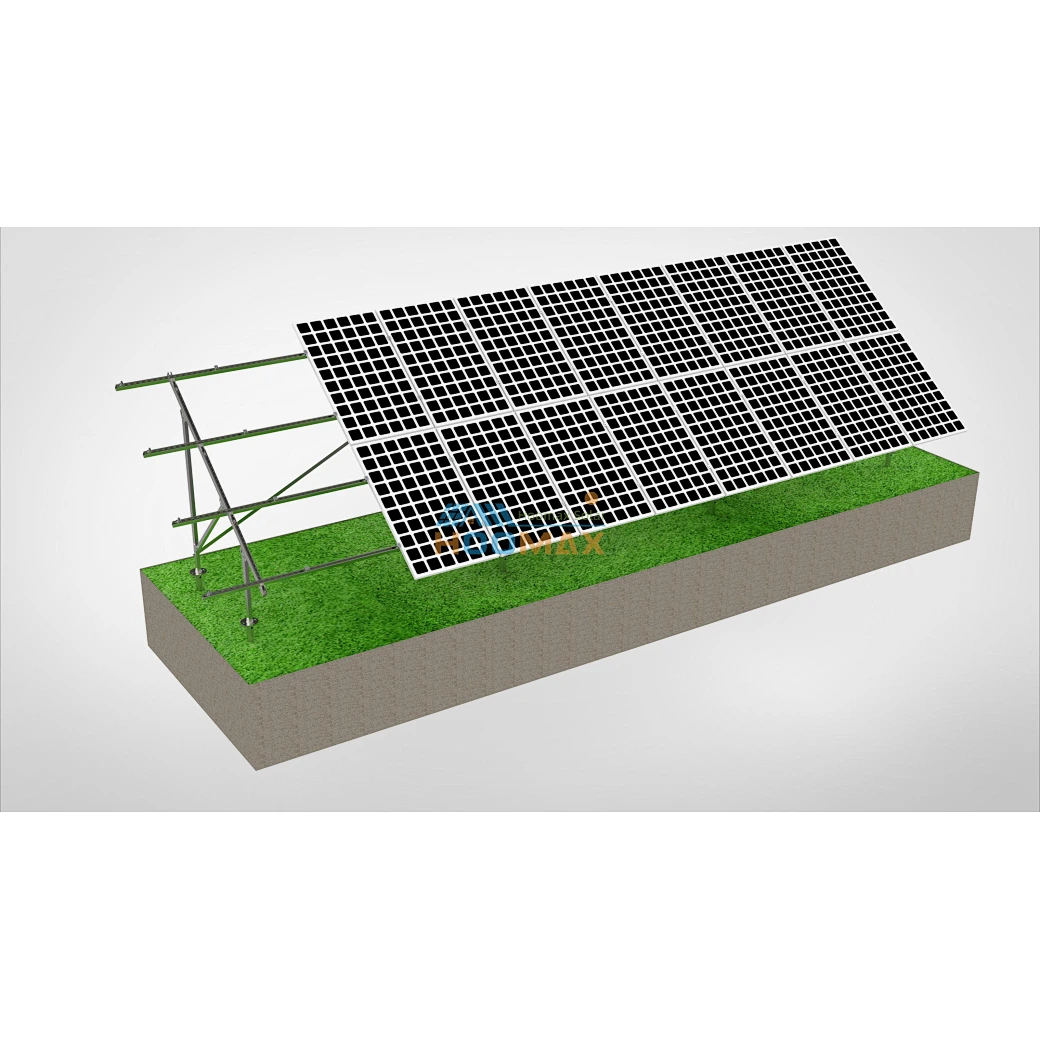
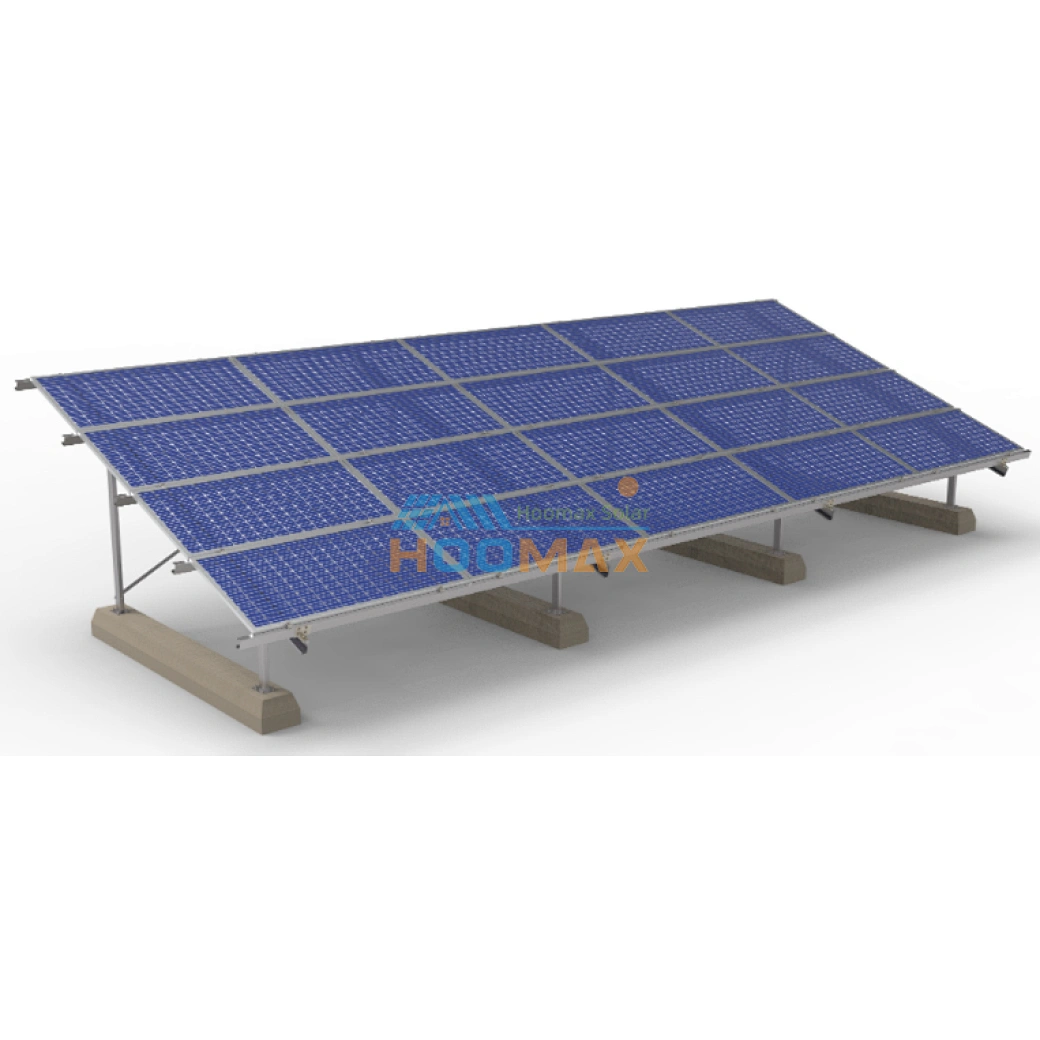
Fixed tilt systems are the most straightforward design, offering a stationary frame that holds solar panels at a predetermined angle. These systems are cost-effective and require minimal maintenance, making them an ideal choice for many solar installations.
3.2 Adjustable Tilt Solar Mounting Systems
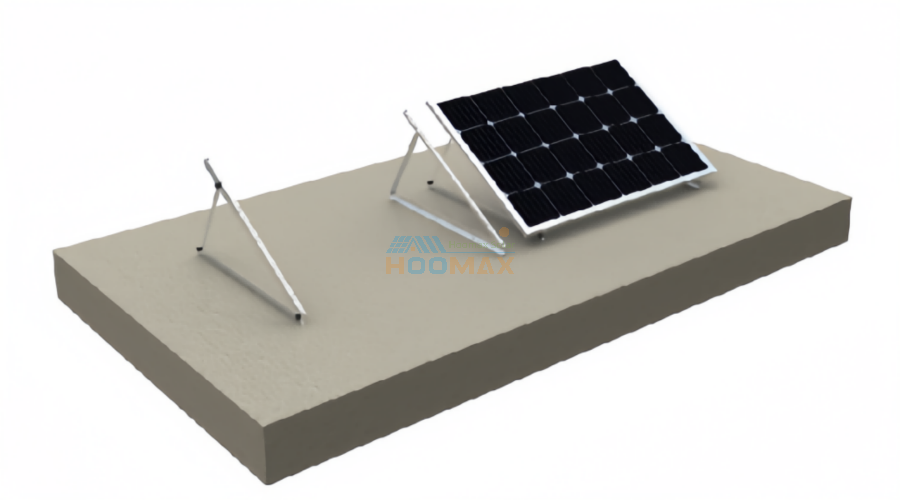
Adjustable tilt systems allow users to change the angle of the solar panels throughout the year to optimize sunlight capture. This flexibility can significantly enhance energy production, especially in regions with varying sun angles across seasons.
3.3 Solar Tracking Systems
Solar tracking systems represent the pinnacle of ground mounting technology. These systems utilize sensors and motors to follow the sun’s path, maintaining optimal panel orientation throughout the day. While more complex and costly, the energy yield from tracking systems can be substantially higher, making them a compelling option for large-scale solar farms.
4. Key Factors in Designing Solar Ground Mounting Systems
When designing solar ground mounting systems, several key factors must be considered to ensure optimal performance and longevity.
4.1 Site Analysis and Location
A thorough site analysis is vital for determining the ideal location for solar installations. Factors such as soil composition, land contours, and proximity to utility grids must be evaluated to ensure suitable mounting options.
4.2 Material Selection for Durability
Choosing the right materials is critical for ensuring the durability and longevity of solar ground mounts. Common materials include aluminum and galvanized steel, which offer excellent resistance to corrosion and harsh weather conditions.
4.3 Installation Techniques for Efficiency
Effective installation techniques can greatly enhance the efficiency of solar ground mounting systems. Utilizing prefabricated components and advanced machinery can streamline the installation process, saving time and labor costs.
5. Recent Innovations in Solar Ground Mounting Design
Innovative designs in solar ground mounting systems have emerged, driven by technological advancements and sustainability goals. Recent innovations include:
- **Modular Mounting Solutions**: These systems allow for easy assembly and disassembly, enabling rapid expansion and flexibility in installations.
- **Bifacial Solar Panels**: Ground mounts designed for bifacial panels optimize sunlight capture from both sides, increasing energy efficiency.
- **Sustainable Materials**: The use of recycled or sustainably-sourced materials in ground mounts is becoming more prevalent, aligning with eco-friendly practices.
6. Benefits of Advanced Solar Mounts
The benefits of advanced solar ground mounting systems extend beyond just energy production:
- **Enhanced Energy Output**: Improved designs can lead to higher energy yields.
- **Lower Maintenance Costs**: Durable materials and efficient designs reduce long-term maintenance needs.
- **Environmental Impact**: Optimized systems contribute to lower carbon footprints and promote renewable energy adoption.
7. Challenges in Solar Ground Mounting Systems
Despite their advantages, solar ground mounting systems face several challenges:
- **Land Use Conflicts**: Securing adequate land for installations can be difficult in densely populated areas.
- **Regulatory Hurdles**: Compliance with local regulations and obtaining permits can impede project timelines.
- **Initial Costs**: The upfront investment for advanced systems may be a barrier for some developers.
8. The Future of Solar Ground Mounting Systems
As technology continues to evolve, the future of solar ground mounting systems looks promising. We can expect:
- **Integration with Smart Technology**: Future systems will likely incorporate IoT technologies for real-time monitoring and optimization.
- **Hybrid Systems**: Combining ground mounts with other renewable technologies, such as wind or energy storage, could provide more comprehensive energy solutions.
- **Global Expansion**: As the world shifts towards renewable energy, solar ground mounting systems will play a critical role in meeting energy demands across diverse regions.
9. Frequently Asked Questions
What are solar ground mounting systems?
Solar ground mounting systems are structures that secure solar panels to the ground, allowing for optimal sunlight exposure and increasing energy production.
What is the difference between fixed and tracking solar mounts?
Fixed mounts hold solar panels at a stationary angle, while tracking mounts adjust the panel position throughout the day to follow the sun, increasing energy capture.
How do I choose the right solar ground mounting system for my project?
Consider factors such as site location, desired energy output, budget, and regulatory requirements when selecting a solar ground mounting system.
What materials are commonly used in solar ground mounts?
Common materials for solar ground mounts include aluminum and galvanized steel due to their durability and resistance to weather conditions.
Are solar ground mounting systems environmentally friendly?
Yes, solar ground mounting systems promote renewable energy use and can be designed using sustainable materials, reducing their overall environmental impact.
10. Conclusion
Innovative designs in solar ground mounting systems are pivotal for the advancement of renewable energy. As we strive for a sustainable future, these systems not only enhance energy efficiency but also contribute to environmental conservation. By understanding and embracing the latest innovations in solar mounting, we can optimize our energy production and take significant strides toward a greener planet. Investing in advanced solar ground mounting systems is not just a step forward in technology; it is a commitment to a sustainable and environmentally responsible future.



Room 601,No.368,Quanyutong Business center,Xianhou She,Huli District,Xiamen,China
Copyright © 2025 Xiamen Hoomax Solar Technology CO., LTD. ALL Rights Reserve.