The Advantages of Zinc Aluminum Magnesium Ground Mounts in Solar Applications
Release time:
2026-03-03
Zinc Aluminum Magnesium (ZAM) ground mounts are increasingly being recognized for their significant contributions to the photovoltaic (PV) industry. These mounts are engineered to support solar panels, providing stability and reliability in various environments. One of the most notable attributes of ZAM ground mounts is their exceptional corrosion resistance. The combination of zinc, aluminum, and
Zinc Aluminum Magnesium (ZAM) ground mounts are increasingly being recognized for their significant contributions to the photovoltaic (PV) industry. These mounts are engineered to support solar panels, providing stability and reliability in various environments. One of the most notable attributes of ZAM ground mounts is their exceptional corrosion resistance. The combination of zinc, aluminum, and magnesium creates a protective layer that shields the steel from rust and degradation. This is particularly important in areas with high humidity or coastal environments where saltwater can accelerate corrosion.
Another advantage of using Zinc Aluminum Magnesium ground mounts is their enhanced durability. The structural integrity of these mounts ensures that they can withstand extreme weather conditions, including heavy winds and snow loads. This makes them an ideal choice for regions that experience harsh climates, as they can maintain their strength and performance over time. Additionally, the resilience of ZAM materials means that the need for frequent replacements or maintenance is significantly reduced, leading to long-term cost savings.
ZAM ground mounts are also lightweight compared to conventional steel mounts, which facilitates easier installation. The reduced weight does not compromise strength; rather, it allows for quicker handling and an expedited installation process. This is particularly beneficial for large-scale solar farms where efficiency in installation can impact overall project timelines and labor costs.
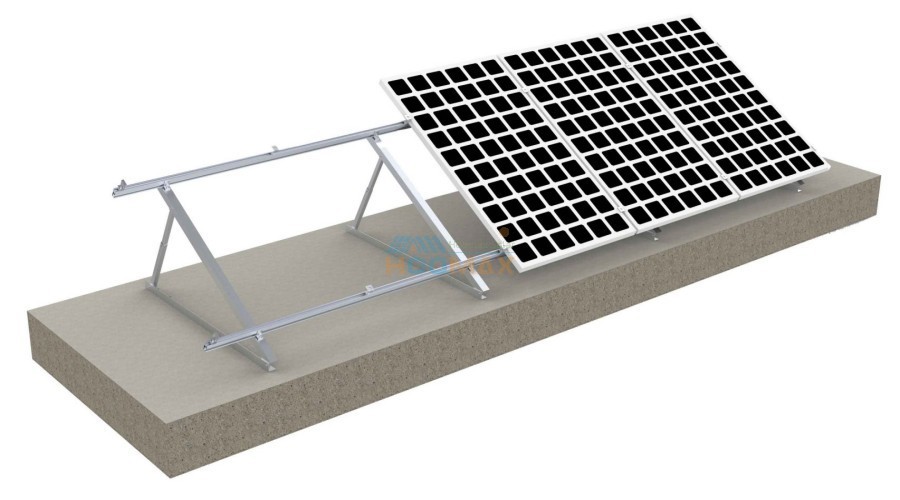
Furthermore, the versatility of Zinc Aluminum Magnesium ground mounts allows for various design configurations, accommodating different types of terrain and site conditions. Whether the installation is on flat land or sloped surfaces, ZAM mounts can be tailored to meet specific project requirements. This adaptability is crucial for maximizing solar panel exposure to sunlight, ultimately improving energy output.
In terms of environmental sustainability, the use of Zinc Aluminum Magnesium also aligns with the goals of renewable energy initiatives. By choosing materials that have a longer lifespan and lower environmental impact, the solar industry can further promote eco-friendly practices. The recyclability of ZAM materials adds another layer of sustainability, ensuring that end-of-life components can be processed responsibly.
In conclusion, Zinc Aluminum Magnesium ground mounts represent a significant advancement in the engineering of solar mounting solutions. Their corrosion resistance, durability, lightweight nature, design versatility, and environmental sustainability make them an excellent choice for the photovoltaic sector. As the demand for solar energy continues to grow, investing in high-quality materials like ZAM will play a vital role in the success and longevity of solar installations worldwide.
Another advantage of using Zinc Aluminum Magnesium ground mounts is their enhanced durability. The structural integrity of these mounts ensures that they can withstand extreme weather conditions, including heavy winds and snow loads. This makes them an ideal choice for regions that experience harsh climates, as they can maintain their strength and performance over time. Additionally, the resilience of ZAM materials means that the need for frequent replacements or maintenance is significantly reduced, leading to long-term cost savings.
ZAM ground mounts are also lightweight compared to conventional steel mounts, which facilitates easier installation. The reduced weight does not compromise strength; rather, it allows for quicker handling and an expedited installation process. This is particularly beneficial for large-scale solar farms where efficiency in installation can impact overall project timelines and labor costs.
Furthermore, the versatility of Zinc Aluminum Magnesium ground mounts allows for various design configurations, accommodating different types of terrain and site conditions. Whether the installation is on flat land or sloped surfaces, ZAM mounts can be tailored to meet specific project requirements. This adaptability is crucial for maximizing solar panel exposure to sunlight, ultimately improving energy output.
In terms of environmental sustainability, the use of Zinc Aluminum Magnesium also aligns with the goals of renewable energy initiatives. By choosing materials that have a longer lifespan and lower environmental impact, the solar industry can further promote eco-friendly practices. The recyclability of ZAM materials adds another layer of sustainability, ensuring that end-of-life components can be processed responsibly.
In conclusion, Zinc Aluminum Magnesium ground mounts represent a significant advancement in the engineering of solar mounting solutions. Their corrosion resistance, durability, lightweight nature, design versatility, and environmental sustainability make them an excellent choice for the photovoltaic sector. As the demand for solar energy continues to grow, investing in high-quality materials like ZAM will play a vital role in the success and longevity of solar installations worldwide.



Room 601,No.368,Quanyutong Business center,Xianhou She,Huli District,Xiamen,China
Copyright © 2025 Xiamen Hoomax Solar Technology CO., LTD. ALL Rights Reserve.