Maximizing Solar Efficiency: Understanding Metal Roof Solar Mounting Systems with Hooks
Release time:
2026-03-01
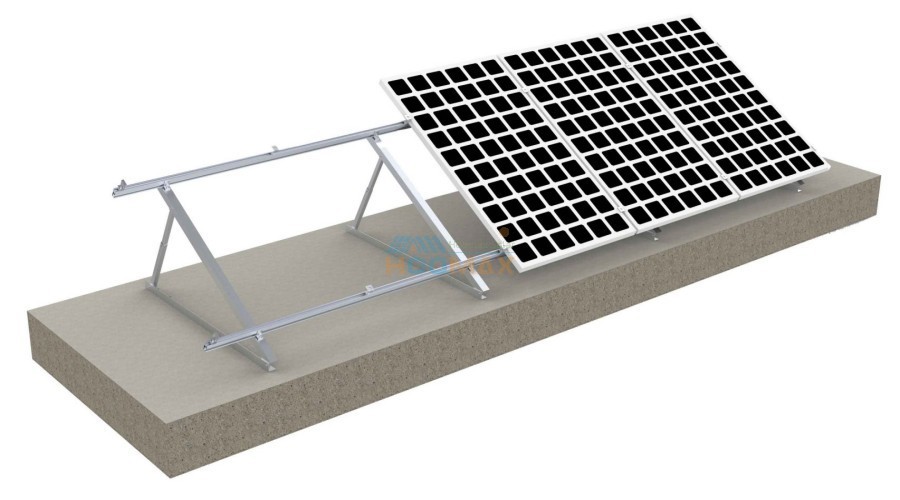
Metal roof solar mounting systems with hooks are an innovative solution designed to securely attach solar panels to metal roofing materials. These systems are particularly beneficial because they allow for a streamlined installation process while ensuring the integrity of the roof is maintained. Understanding the components and advantages of these systems can significantly impact the efficiency an
Metal roof solar mounting systems with hooks are an innovative solution designed to securely attach solar panels to metal roofing materials. These systems are particularly beneficial because they allow for a streamlined installation process while ensuring the integrity of the roof is maintained. Understanding the components and advantages of these systems can significantly impact the efficiency and longevity of a solar power installation.
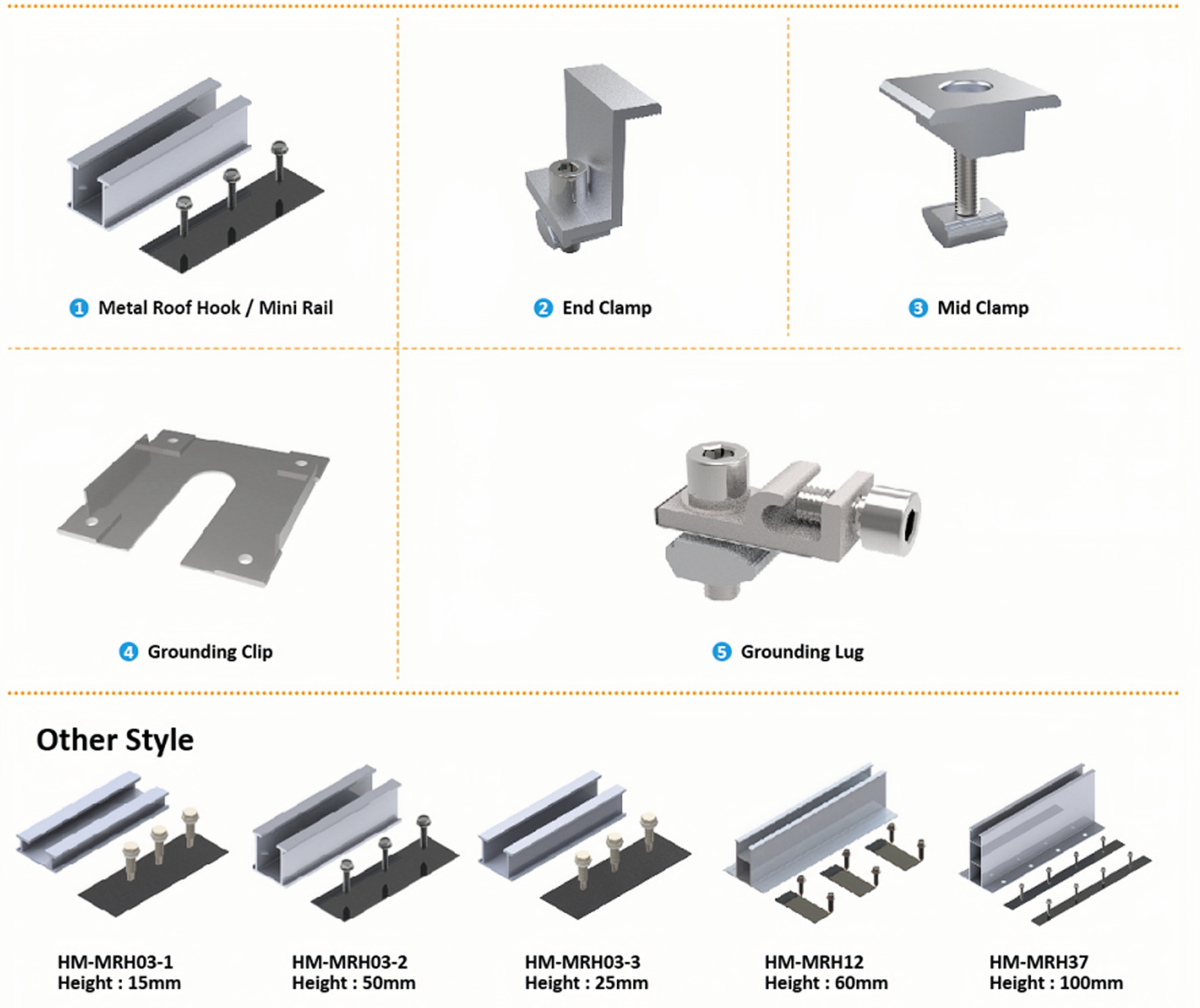
One of the primary benefits of using a metal roof solar mounting system with hooks is the ease of installation. Unlike traditional mounting systems that require extensive drilling and potential damage to roofing materials, hook systems utilize pre-existing seams or ridges in metal roofs. This method minimizes the risk of leaks and maintains the roof's structural integrity. The hooks are typically made from corrosion-resistant materials, ensuring that they can withstand harsh weather conditions without deteriorating over time.
Another advantage of these mounting systems is their versatility. Metal roofs come in various shapes and sizes, and a well-designed hook system can adapt to different configurations. This adaptability makes it easier for solar installers to create customized layouts that maximize solar exposure, optimizing energy collection. By strategically placing solar panels using hooks, homeowners can ensure that they receive the maximum amount of sunlight, which is crucial for enhancing the performance of their solar energy systems.
Furthermore, metal roof solar mounting systems with hooks are lightweight and durable. This characteristic not only makes installation easier but also reduces the overall load on the roofing structure. Metal roofs are already known for their strength, and when combined with a lightweight mounting system, the entire assembly becomes even more robust. This durability is essential for areas prone to extreme weather, such as heavy snow, high winds, or hail.
In addition to their practical benefits, these solar mounting systems contribute to a more aesthetically pleasing installation. By utilizing a hook system, solar panels can be placed closer to the roof, creating a sleek profile that blends seamlessly with the building’s design. This aesthetic appeal can be a significant consideration for homeowners who wish to maintain the visual integrity of their property while harnessing renewable energy.
In conclusion, metal roof solar mounting systems with hooks represent a smart choice for anyone looking to install solar panels on a metal roof. Their ease of installation, adaptability, lightweight nature, and aesthetic appeal make them an ideal solution for maximizing solar energy collection. Understanding these systems not only helps homeowners make informed decisions but also enhances the overall efficiency and longevity of their solar installations. Whether you are a homeowner contemplating solar energy or a professional installer, recognizing the benefits of these innovative mounting systems can lead to successful and sustainable energy solutions.
One of the primary benefits of using a metal roof solar mounting system with hooks is the ease of installation. Unlike traditional mounting systems that require extensive drilling and potential damage to roofing materials, hook systems utilize pre-existing seams or ridges in metal roofs. This method minimizes the risk of leaks and maintains the roof's structural integrity. The hooks are typically made from corrosion-resistant materials, ensuring that they can withstand harsh weather conditions without deteriorating over time.
Another advantage of these mounting systems is their versatility. Metal roofs come in various shapes and sizes, and a well-designed hook system can adapt to different configurations. This adaptability makes it easier for solar installers to create customized layouts that maximize solar exposure, optimizing energy collection. By strategically placing solar panels using hooks, homeowners can ensure that they receive the maximum amount of sunlight, which is crucial for enhancing the performance of their solar energy systems.
Furthermore, metal roof solar mounting systems with hooks are lightweight and durable. This characteristic not only makes installation easier but also reduces the overall load on the roofing structure. Metal roofs are already known for their strength, and when combined with a lightweight mounting system, the entire assembly becomes even more robust. This durability is essential for areas prone to extreme weather, such as heavy snow, high winds, or hail.
In addition to their practical benefits, these solar mounting systems contribute to a more aesthetically pleasing installation. By utilizing a hook system, solar panels can be placed closer to the roof, creating a sleek profile that blends seamlessly with the building’s design. This aesthetic appeal can be a significant consideration for homeowners who wish to maintain the visual integrity of their property while harnessing renewable energy.
In conclusion, metal roof solar mounting systems with hooks represent a smart choice for anyone looking to install solar panels on a metal roof. Their ease of installation, adaptability, lightweight nature, and aesthetic appeal make them an ideal solution for maximizing solar energy collection. Understanding these systems not only helps homeowners make informed decisions but also enhances the overall efficiency and longevity of their solar installations. Whether you are a homeowner contemplating solar energy or a professional installer, recognizing the benefits of these innovative mounting systems can lead to successful and sustainable energy solutions.



Room 601,No.368,Quanyutong Business center,Xianhou She,Huli District,Xiamen,China
Copyright © 2025 Xiamen Hoomax Solar Technology CO., LTD. ALL Rights Reserve.