The Ultimate Guide to Solar Ground Mounting Systems for Your Home
Release time:
2026-02-02
The Ultimate Guide to Solar Ground Mounting Systems for Your Home Table of Contents Introduction to Solar Ground Mounting Systems Advantages of Solar Ground Mounting Systems Types of Solar Ground Mounting Systems Installation Process for Ground Mount Systems Costs Involved in Solar Ground Mounting Systems Maintenance of Solar Ground Mounting Systems Regulations and P
The Ultimate Guide to Solar Ground Mounting Systems for Your Home
Table of Contents
- Introduction to Solar Ground Mounting Systems
- Advantages of Solar Ground Mounting Systems
- Types of Solar Ground Mounting Systems
- Installation Process for Ground Mount Systems
- Costs Involved in Solar Ground Mounting Systems
- Maintenance of Solar Ground Mounting Systems
- Regulations and Permits for Ground Mount Systems
- Troubleshooting Common Issues
- Frequently Asked Questions
- Conclusion
Introduction to Solar Ground Mounting Systems
Solar ground mounting systems play a crucial role in harnessing solar energy for residential applications. Unlike rooftop solar panels, ground-mounted systems are installed in open land areas, allowing for greater flexibility and optimal positioning to capture sunlight. **This guide explores the nuances of ground mounting systems**, providing insights into their advantages, types, installation processes, and maintenance considerations, ensuring homeowners can make informed decisions.
Advantages of Solar Ground Mounting Systems
The benefits of solar ground mounting systems extend far beyond mere energy production. Here are some of the most significant advantages:
Increased Energy Production
Ground-mounted solar panels can be installed at the ideal angle and orientation, maximizing sunlight exposure throughout the day. This leads to higher energy production compared to fixed rooftop panels.
Accessibility for Maintenance
Ground-mounted systems are easier to access for maintenance, cleaning, and inspection compared to rooftop installations. This accessibility ensures that the system operates at peak efficiency over its lifespan.
Flexibility in Placement
Homeowners can choose where to install their ground-mounted systems, taking into account factors such as shading from trees or nearby structures. This flexibility allows for the optimal placement of panels.
Scalability
Ground-mounted systems can be expanded more easily than rooftop systems. As energy needs grow, homeowners can add additional panels without the constraints imposed by roof space.
Types of Solar Ground Mounting Systems
Understanding the different types of solar ground mounting systems is essential for selecting the right one for your home. Here are the primary types:
Fixed Ground Mount Systems
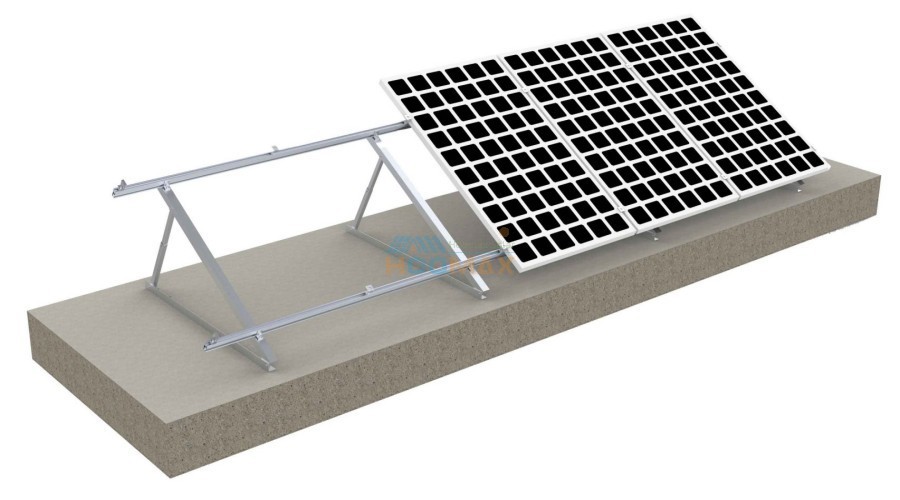
These are the most common type of solar ground mounting systems. They consist of a sturdy frame that holds the solar panels at a fixed angle. Fixed ground mounts are cost-effective and straightforward to install.
Adjustable Ground Mount Systems
Adjustable ground mounts allow homeowners to alter the angle of the solar panels seasonally. This flexibility can enhance energy production, particularly in regions with varying sunlight intensity throughout the year.
Tracking Ground Mount Systems
Tracking systems move the solar panels as the sun moves across the sky. This type of system can optimize energy production significantly but comes with higher costs and maintenance requirements.
Installation Process for Ground Mount Systems
Installing a solar ground mounting system requires careful planning and execution. Here’s a step-by-step breakdown of the installation process:
Site Assessment
The first step involves assessing the installation site. Factors such as land slope, shading, soil quality, and proximity to the electrical grid should be evaluated.
Design and Planning
Once the site is assessed, a design plan is developed. This plan outlines the layout of the solar panels, the type of mounting system to be used, and the electrical connections.
Obtaining Permits
Before proceeding, homeowners must ensure they have the necessary permits from local authorities. Regulations can vary significantly by location, so it’s essential to check local laws.
Ground Preparation
Preparing the ground involves clearing the area where the panels will be installed, leveling the ground if necessary, and ensuring proper drainage.
Installation of Mounting Structure
The next step is installing the mounting structures. This usually involves securing posts into the ground and assembling the frame to hold the solar panels.
Panel Installation
Once the mounting structure is in place, the solar panels are attached. This process requires careful handling to ensure that the panels are securely fastened.
Electrical Connections
Finally, electrical connections are made, linking the solar panels to the inverter and the home’s electrical system. A qualified electrician should carry out this step to ensure safety and compliance.
Costs Involved in Solar Ground Mounting Systems
Understanding the costs associated with solar ground mounting systems is essential for budgeting. Here’s a breakdown of the main cost components:
Equipment Costs
The cost of solar panels, mounting structures, and inverters can vary widely based on quality and brand. On average, equipment costs range from $15,000 to $30,000 for residential systems.
Installation Costs
Installation costs can also vary based on location and the complexity of the installation. Homeowners can expect to pay between $1,000 to $5,000 for professional installation.
Permitting and Inspection Fees
Local permits and inspection fees can add to the total cost. These fees vary by location but generally range from $500 to $1,500.
Maintenance Costs
While ground-mounted systems require less maintenance than other types, homeowners should budget for cleaning and periodic inspections. Annual maintenance costs can range from $200 to $500.
Maintenance of Solar Ground Mounting Systems
Regular maintenance is vital for ensuring optimal performance of solar ground mounting systems. Here are some key maintenance tasks:
Cleaning Solar Panels
Dust, dirt, and debris can accumulate on solar panels, reducing their efficiency. Regular cleaning—typically twice a year—can enhance energy production.
Inspecting Equipment
Periodic inspections of the mounting structure, wiring, and inverter are essential to identify any signs of wear or damage. Early detection can prevent costly repairs.
Checking for Vegetation Growth
Over time, vegetation can grow around the installation site, potentially causing shading. Regularly monitoring and managing vegetation growth is crucial for maximizing sunlight exposure.
Regulations and Permits for Ground Mount Systems
Before installing a solar ground mounting system, homeowners must navigate various regulations and permits. Here’s an overview:
Local Zoning Laws
Many municipalities have specific zoning laws that govern solar installations. Homeowners should check local regulations to ensure compliance.
Building Permits
Most areas require building permits for solar installations, which help ensure that the installation meets safety standards.
Interconnection Agreements
Homeowners must also establish interconnection agreements with their utility provider, allowing them to connect their solar energy system to the grid.
Troubleshooting Common Issues
Even with proper installation and maintenance, homeowners may encounter issues with their solar ground mounting systems. Here are some common problems and solutions:
Low Energy Production
If energy production is lower than expected, check for shading from trees or debris on the panels. Cleaning and repositioning the panels may also be necessary.
Faulty Inverter
Inverters can fail or produce errors, leading to system downtime. Regular inspections can catch inverter issues early, allowing for timely repairs or replacements.
Physical Damage
Damage from storms or falling debris can affect system performance. Regular inspections should identify any physical damage, ensuring prompt repairs.
Frequently Asked Questions
What is the average lifespan of a solar ground mounting system?
Solar ground mounting systems typically last 25 to 30 years, depending on the quality of equipment and maintenance practices.
Can I install a solar ground mounting system myself?
While DIY installation is possible, it is recommended to hire professionals to ensure compliance with local regulations and safety standards.
Do solar ground mounting systems require more space than rooftop systems?
Yes, ground-mounted systems typically require more space but offer flexibility in placement and optimal sun exposure.
How much energy can I expect to generate from a solar ground mounting system?
The energy production varies based on system size, geographic location, and local weather conditions. On average, homeowners can expect to generate between 10,000 and 15,000 kWh annually.
Are there tax incentives for installing solar ground mounting systems?
Yes, many regions offer tax incentives, rebates, or grants to encourage solar energy adoption. Homeowners should check local programs for available benefits.
Conclusion
Solar ground mounting systems present an excellent opportunity for homeowners to harness renewable energy efficiently. With numerous advantages, such as increased energy production and easier maintenance, these systems are a compelling choice for those seeking to reduce their carbon footprint and energy costs. By understanding the types, installation processes, costs, and maintenance requirements, homeowners can confidently navigate the transition to solar energy. Whether you are considering a fixed, adjustable, or tracking system, the insights provided in this guide will empower you to make informed decisions about your solar energy needs.



Room 601,No.368,Quanyutong Business center,Xianhou She,Huli District,Xiamen,China
Copyright © 2025 Xiamen Hoomax Solar Technology CO., LTD. ALL Rights Reserve.