Understanding the Benefits of Zinc Aluminum Magnesium Ground Mounts in Solar Applications
Release time:
2026-02-01
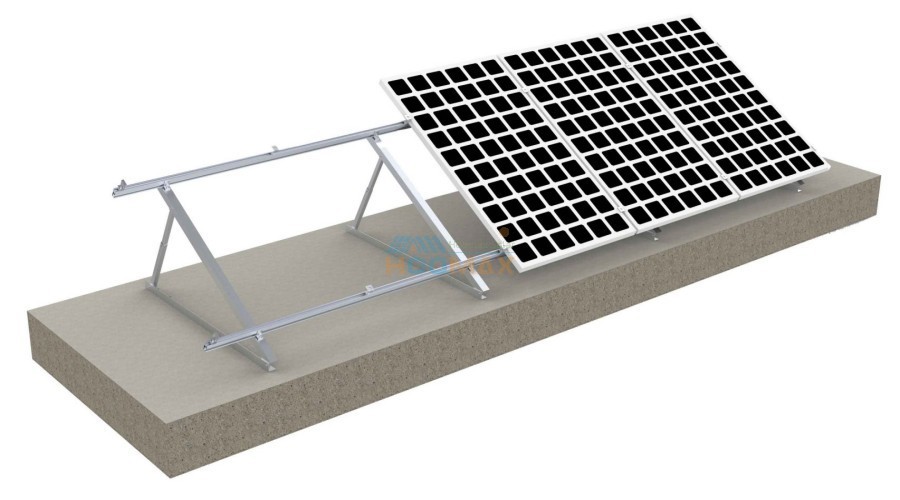
Zinc aluminum magnesium ground mounts are increasingly becoming popular in the photovoltaic (PV) industry due to their unique composition and benefits. This innovative material blend enhances the longevity and resilience of solar mounting systems, making them ideal for various environments, particularly where corrosion resistance is essential. One of the primary advantages of using zinc aluminum m
Zinc aluminum magnesium ground mounts are increasingly becoming popular in the photovoltaic (PV) industry due to their unique composition and benefits. This innovative material blend enhances the longevity and resilience of solar mounting systems, making them ideal for various environments, particularly where corrosion resistance is essential.
One of the primary advantages of using zinc aluminum magnesium (ZAM) in ground mounts is its superior corrosion resistance compared to traditional galvanized steel. The added aluminum and magnesium provide a protective layer that prevents rust and degradation, which is vital for outdoor installations exposed to harsh weather conditions. This durability extends the lifespan of the mounting systems, reducing the need for frequent replacements or maintenance, which can be a significant cost and logistical concern for solar installations.
Another critical factor to consider is the mechanical strength of zinc aluminum magnesium ground mounts. The combination of these materials allows for sturdy constructions capable of withstanding various loads and environmental stresses. This strength is crucial in ensuring that solar panels remain securely anchored even in high winds or heavy snow conditions, thereby maximizing energy production and minimizing the risk of damage.
In addition to their mechanical properties, ZAM mounts also contribute to the overall efficiency of solar energy systems. By maintaining the structural integrity of solar panels, these ground mounts help optimize their tilt and orientation, ensuring that panels capture maximum sunlight throughout the day. This optimal positioning is essential for enhancing the energy output of the solar installation, ultimately leading to increased efficiency and performance.
Another noteworthy aspect is the environmental impact of using zinc aluminum magnesium materials. These ground mounts are often more environmentally friendly than traditional materials, as they can be recycled at the end of their lifecycle. This aligns with the overall sustainability goals of the renewable energy sector, making ZAM mounts a responsible choice for environmentally conscious projects.
In conclusion, zinc aluminum magnesium ground mounts represent a significant advancement in solar mounting technology. Their unique properties, including exceptional corrosion resistance, mechanical strength, and environmental benefits, make them an ideal choice for photovoltaic installations. For professionals in the industrial equipment and components sector, understanding the advantages of ZAM ground mounts can lead to better decision-making in solar project implementations, ultimately contributing to the growth and efficiency of renewable energy solutions.
One of the primary advantages of using zinc aluminum magnesium (ZAM) in ground mounts is its superior corrosion resistance compared to traditional galvanized steel. The added aluminum and magnesium provide a protective layer that prevents rust and degradation, which is vital for outdoor installations exposed to harsh weather conditions. This durability extends the lifespan of the mounting systems, reducing the need for frequent replacements or maintenance, which can be a significant cost and logistical concern for solar installations.
Another critical factor to consider is the mechanical strength of zinc aluminum magnesium ground mounts. The combination of these materials allows for sturdy constructions capable of withstanding various loads and environmental stresses. This strength is crucial in ensuring that solar panels remain securely anchored even in high winds or heavy snow conditions, thereby maximizing energy production and minimizing the risk of damage.
In addition to their mechanical properties, ZAM mounts also contribute to the overall efficiency of solar energy systems. By maintaining the structural integrity of solar panels, these ground mounts help optimize their tilt and orientation, ensuring that panels capture maximum sunlight throughout the day. This optimal positioning is essential for enhancing the energy output of the solar installation, ultimately leading to increased efficiency and performance.
Another noteworthy aspect is the environmental impact of using zinc aluminum magnesium materials. These ground mounts are often more environmentally friendly than traditional materials, as they can be recycled at the end of their lifecycle. This aligns with the overall sustainability goals of the renewable energy sector, making ZAM mounts a responsible choice for environmentally conscious projects.
In conclusion, zinc aluminum magnesium ground mounts represent a significant advancement in solar mounting technology. Their unique properties, including exceptional corrosion resistance, mechanical strength, and environmental benefits, make them an ideal choice for photovoltaic installations. For professionals in the industrial equipment and components sector, understanding the advantages of ZAM ground mounts can lead to better decision-making in solar project implementations, ultimately contributing to the growth and efficiency of renewable energy solutions.



Room 601,No.368,Quanyutong Business center,Xianhou She,Huli District,Xiamen,China
Copyright © 2025 Xiamen Hoomax Solar Technology CO., LTD. ALL Rights Reserve.