Maximizing Efficiency with a Solar Ground Mounting System: The Ultimate Guide
Release time:
2026-01-19
Maximizing Efficiency with a Solar Ground Mounting System Introduction: Why Ground Mounting Systems Are Essential for Solar Energy In today's world, harnessing the power of solar energy is not just environmentally responsible; it is also economically savvy. A **solar ground mounting system** allows homeowners and businesses to install solar panels in an optimal position, thereby maximizing energy
Maximizing Efficiency with a Solar Ground Mounting System
Introduction: Why Ground Mounting Systems Are Essential for Solar Energy
In today's world, harnessing the power of solar energy is not just environmentally responsible; it is also economically savvy. A **solar ground mounting system** allows homeowners and businesses to install solar panels in an optimal position, thereby maximizing energy efficiency. Ground mounts can be particularly beneficial for those who have ample land space and want to increase their energy output significantly.
This guide aims to provide a comprehensive understanding of how to achieve maximum efficiency with a solar ground mounting system. From the advantages of ground mounts to installation tips and maintenance guidelines, we will cover all aspects to ensure your solar energy system operates at its fullest potential.
Table of Contents
1. Understanding Solar Ground Mounting Systems
2. Benefits of Using Solar Ground Mounts
3. Key Factors for Selecting a Ground Mounting System
3.1 Land Assessment and Site Selection
3.2 Choosing the Right Mounting Structure
3.3 Orientation and Tilt Angle
4. Installation Process for Solar Ground Mounts
4.1 Preparing the Site
4.2 Mounting the Structure
4.3 Installing Solar Panels
5. Maintenance Tips for Solar Ground Mounting Systems
6. FAQs
7. Conclusion: The Future of Solar Energy with Ground Mounting Systems
1. Understanding Solar Ground Mounting Systems
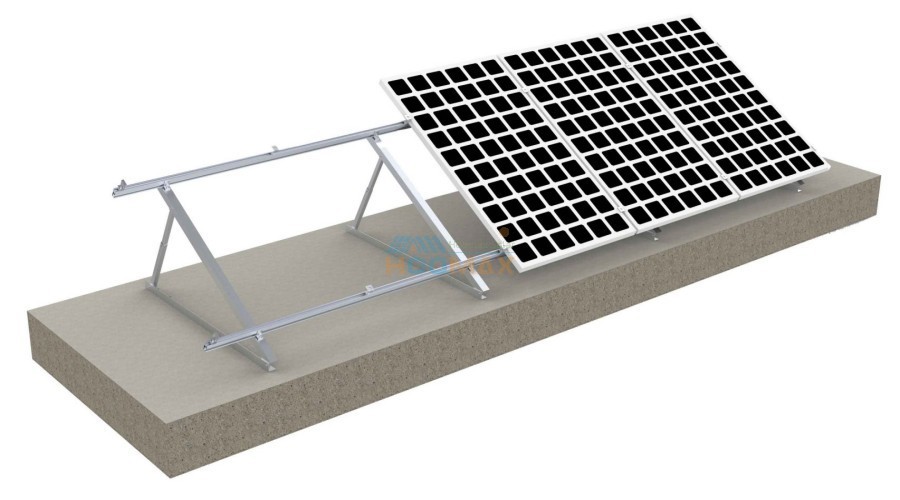
A **solar ground mounting system** consists of a framework that securely holds solar panels above the ground. Unlike roof-mounted systems, ground mounts are typically installed in open areas, making them an excellent choice for those with adequate land. Ground mounts can be adjusted for optimal angle and positioning, ensuring they capture the maximum amount of sunlight throughout the day.
2. Benefits of Using Solar Ground Mounts
Using a solar ground mounting system comes with numerous advantages that contribute to overall efficiency:
- **Flexibility in Design**: Ground mounts offer design flexibility since they can be placed anywhere on the property. This means users can choose the most sunlight-exposed area.
- **Easier Maintenance**: Ground-mounted panels are easier to access for cleaning and maintenance, saving time and effort.
- **Optimal Sunlight Exposure**: With adjustable angles and orientations, ground mounts can be optimized for year-round sun exposure, thereby maximizing energy production.
- **Reduced Roof Load**: Installing panels on the ground alleviates structural stress on roofs, particularly important for older buildings.
3. Key Factors for Selecting a Ground Mounting System
When considering a solar ground mounting system, several crucial factors must be taken into account:
3.1 Land Assessment and Site Selection
The first step in choosing a **solar ground mounting system** is conducting a thorough land assessment. Evaluate the sunlight exposure in different areas throughout the year and consider any potential obstructions, such as trees or buildings. Choosing the right location is critical for maximizing efficiency.
3.2 Choosing the Right Mounting Structure
There are various types of mounting structures available, from fixed to adjustable systems. Fixed mounts are simpler and cost-effective, while adjustable mounts allow for tilt variations, which can enhance energy production. Selecting the appropriate structure depends on budget, site conditions, and energy needs.
3.3 Orientation and Tilt Angle
The orientation (south-facing for the Northern Hemisphere) and tilt angle of solar panels significantly affect their energy output. A general rule of thumb is to set the tilt angle equal to the latitude of your location for optimal production. However, this can vary based on seasonal adjustments and local weather patterns.
4. Installation Process for Solar Ground Mounts
Proper installation is vital for ensuring the longevity and efficiency of your solar ground mounting system. Here is a step-by-step guide to the installation process:
4.1 Preparing the Site
Start by clearing the area where the solar panels will be installed. This includes removing any debris, plants, or rocks. Ensure the ground is level, or make necessary adjustments to create a suitable base for the mounting system.
4.2 Mounting the Structure
Once the site is prepared, follow the manufacturer’s instructions to secure the mounting frame to the ground. This usually involves anchoring it to the ground with concrete footings or poles. Ensuring the structure is sturdy and well-anchored is crucial to withstand weather conditions.
4.3 Installing Solar Panels
After securing the mount, carefully install the solar panels according to the guidelines. Connect the panels to the inverter and ensure all electrical connections are safely made. It's recommended to consult with a professional electrician for this step to comply with local electrical codes.
5. Maintenance Tips for Solar Ground Mounting Systems
To maximize the efficiency and lifespan of a solar ground mounting system, regular maintenance is essential. Consider these tips:
- **Regular Cleaning**: Dust, dirt, and debris can accumulate on solar panels, reducing their efficiency. Clean the panels with water and a soft cloth as needed, especially after heavy rain or dust storms.
- **Inspect Connections**: Periodically check all electrical connections for corrosion or wear. Ensure that all wiring is intact and free from damage.
- **Monitor Performance**: Use monitoring systems to track energy production. This helps identify any drops in performance that may indicate maintenance needs.
- **Check for Vegetation Growth**: Ensure that surrounding vegetation does not block sunlight from reaching the panels. Trim back any overgrown plants or trees.
6. FAQs
What is the average lifespan of a solar ground mounting system?
The average lifespan of a solar ground mounting system can exceed 25 years with proper maintenance and care.
Can I install a ground mount solar system myself?
While DIY installations are possible, it is highly recommended to consult with professionals to ensure safety and compliance with local regulations.
How much energy can I expect from a solar ground mounting system?
The energy production varies based on factors like location, panel quality, and system size. On average, a well-optimized system can produce between 5 to 10 kWh per day.
Are there any zoning requirements for solar ground mounts?
Yes, it's important to check local zoning laws and regulations that may restrict the installation of ground-mounted solar systems.
What type of soil is best for installing a solar ground mount?
Well-draining soil is ideal for installation. If the soil is too soft, additional support may be needed to secure the mounting structure.
7. Conclusion: The Future of Solar Energy with Ground Mounting Systems
The adoption of solar energy continues to rise, paving the way for a sustainable future. A **solar ground mounting system** provides enhanced efficiency and flexibility, catering to the needs of various energy consumers. By understanding the installation process, maintenance requirements, and best practices for maximizing efficiency, individuals can make informed decisions that significantly contribute to energy savings and environmental conservation.
With proper planning and execution, ground-mounted solar systems can offer substantial returns on investment and play a crucial role in the global shift towards renewable energy sources. Embracing this technology not only reduces electricity costs but also promotes a cleaner, greener planet for future generations.



Room 601,No.368,Quanyutong Business center,Xianhou She,Huli District,Xiamen,China
Copyright © 2025 Xiamen Hoomax Solar Technology CO., LTD. ALL Rights Reserve.