The Advantages of Zinc Aluminum Magnesium Ground Mounts in Solar Applications
Release time:
2026-01-18
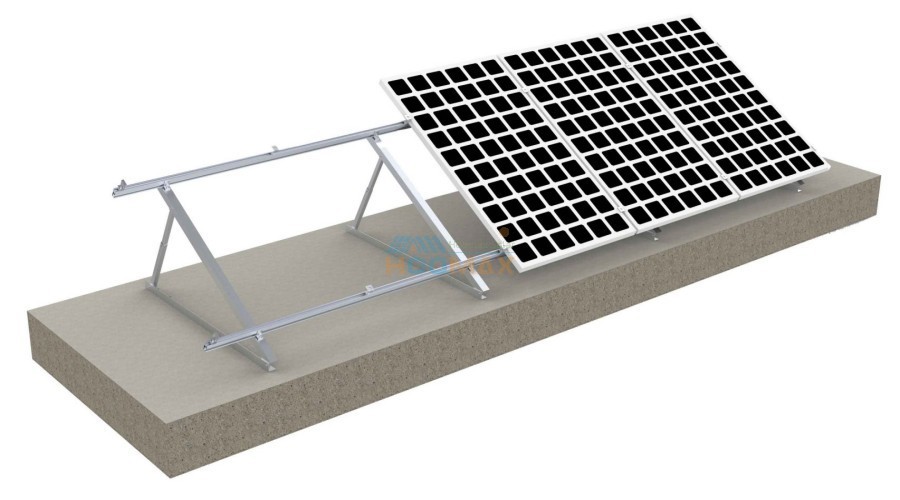
In the realm of industrial equipment and components, particularly in the field of solar mounting solutions, the use of zinc aluminum magnesium ground mounts has gained significant traction. These mounts are designed to support solar panels securely on the ground, providing a stable and reliable foundation that can withstand various environmental conditions. One of the primary advantages of zinc al
In the realm of industrial equipment and components, particularly in the field of solar mounting solutions, the use of zinc aluminum magnesium ground mounts has gained significant traction. These mounts are designed to support solar panels securely on the ground, providing a stable and reliable foundation that can withstand various environmental conditions.
One of the primary advantages of zinc aluminum magnesium ground mounts is their exceptional corrosion resistance. The combination of zinc, aluminum, and magnesium creates a protective layer that prevents rust and degradation over time. This is particularly important in outdoor environments where solar installations are exposed to moisture, UV rays, and varying temperatures. By utilizing these materials, the longevity of the ground mounts is significantly increased, ensuring that solar panels remain securely in place for years to come.
Another key benefit of these ground mounts is their strength and structural integrity. Zinc aluminum magnesium alloys are known for their high tensile strength, which means they can support larger and heavier solar panel arrays without compromising stability. This is crucial for maximizing energy efficiency, as any movement or settling of the mounts can affect the angle and positioning of solar panels, ultimately impacting their performance.
Additionally, zinc aluminum magnesium ground mounts are lightweight compared to traditional materials such as steel. This not only makes them easier to install but also reduces transportation costs and efforts. The installation process can be streamlined, leading to quicker project completion times and enhanced labor efficiency.
In terms of environmental impact, the use of these materials can be seen as a sustainable choice. The durability of zinc aluminum magnesium ground mounts means that they require less frequent replacements, reducing waste and resource consumption over time. Furthermore, the recycling potential of these materials contributes to a more sustainable lifecycle for solar mounting systems.
Moreover, the versatility of zinc aluminum magnesium ground mounts allows them to be utilized in various terrains and geographic locations. Whether in rocky, flat, or uneven landscapes, these mounts can be adapted to ensure optimal solar panel alignment for maximum sun exposure. This adaptability is essential for harnessing solar energy effectively and maximizing energy output.
In summary, zinc aluminum magnesium ground mounts offer a robust and efficient solution for solar panel installations. Their corrosion resistance, strength, lightweight nature, and environmental sustainability make them an ideal choice for modern solar energy systems. As the demand for renewable energy continues to grow, the importance of high-quality mounting solutions like these will only become more pronounced. By investing in reliable ground mounts, solar energy projects can achieve enhanced performance and durability, paving the way for a more sustainable future.
One of the primary advantages of zinc aluminum magnesium ground mounts is their exceptional corrosion resistance. The combination of zinc, aluminum, and magnesium creates a protective layer that prevents rust and degradation over time. This is particularly important in outdoor environments where solar installations are exposed to moisture, UV rays, and varying temperatures. By utilizing these materials, the longevity of the ground mounts is significantly increased, ensuring that solar panels remain securely in place for years to come.
Another key benefit of these ground mounts is their strength and structural integrity. Zinc aluminum magnesium alloys are known for their high tensile strength, which means they can support larger and heavier solar panel arrays without compromising stability. This is crucial for maximizing energy efficiency, as any movement or settling of the mounts can affect the angle and positioning of solar panels, ultimately impacting their performance.
Additionally, zinc aluminum magnesium ground mounts are lightweight compared to traditional materials such as steel. This not only makes them easier to install but also reduces transportation costs and efforts. The installation process can be streamlined, leading to quicker project completion times and enhanced labor efficiency.
In terms of environmental impact, the use of these materials can be seen as a sustainable choice. The durability of zinc aluminum magnesium ground mounts means that they require less frequent replacements, reducing waste and resource consumption over time. Furthermore, the recycling potential of these materials contributes to a more sustainable lifecycle for solar mounting systems.
Moreover, the versatility of zinc aluminum magnesium ground mounts allows them to be utilized in various terrains and geographic locations. Whether in rocky, flat, or uneven landscapes, these mounts can be adapted to ensure optimal solar panel alignment for maximum sun exposure. This adaptability is essential for harnessing solar energy effectively and maximizing energy output.
In summary, zinc aluminum magnesium ground mounts offer a robust and efficient solution for solar panel installations. Their corrosion resistance, strength, lightweight nature, and environmental sustainability make them an ideal choice for modern solar energy systems. As the demand for renewable energy continues to grow, the importance of high-quality mounting solutions like these will only become more pronounced. By investing in reliable ground mounts, solar energy projects can achieve enhanced performance and durability, paving the way for a more sustainable future.



Room 601,No.368,Quanyutong Business center,Xianhou She,Huli District,Xiamen,China
Copyright © 2025 Xiamen Hoomax Solar Technology CO., LTD. ALL Rights Reserve.