Transforming Agriculture: The Role of Agrivoltaic Mounting Systems in Sustainable Farming
Release time:
2026-07-17
Transforming Agriculture: The Role of Agrivoltaic Mounting Systems in Sustainable Farming Table of Contents 1. Introduction to Agrivoltaic Systems 2. Understanding Agrivoltaics: The Basics 3. The Importance of Sustainable Farming 4. How Agrivoltaic Mounting Systems Work 5. Benefits of Agrivoltaic Systems for Farmers 5.1 Enhanced Crop Yields 5.2 Renewable Energy Generation 5.3 Improved Land Use Eff
Transforming Agriculture: The Role of Agrivoltaic Mounting Systems in Sustainable Farming
Table of Contents
1. Introduction to Agrivoltaic Systems
2. Understanding Agrivoltaics: The Basics
3. The Importance of Sustainable Farming
4. How Agrivoltaic Mounting Systems Work
5. Benefits of Agrivoltaic Systems for Farmers
5.1 Enhanced Crop Yields
5.2 Renewable Energy Generation
5.3 Improved Land Use Efficiency
5.4 Reduced Water Consumption
6. Implementing Agrivoltaic Systems: A Step-by-Step Guide
7. Case Studies: Successful Agrivoltaic Installations Worldwide
8. Future Trends in Agrivoltaic Technology
9. FAQs About Agrivoltaic Mounting Systems
10. Conclusion
1. Introduction to Agrivoltaic Systems
Agriculture is at a crossroads as it faces the dual challenges of feeding a growing global population and combating climate change. **Agrivoltaic systems**, which combine agricultural production with solar energy generation, offer a promising solution. By leveraging the sun’s energy to power farming operations while simultaneously cultivating crops, these systems present a unique opportunity for sustainable agricultural practices.
2. Understanding Agrivoltaics: The Basics
Agrivoltaics refers to the integration of solar panels with agricultural land. This innovative approach allows farmers to harness solar energy while still engaging in traditional farming activities. The mounting systems for these solar panels are designed to optimize land use, allowing crops to thrive beneath or alongside solar arrays.
Key components of agrivoltaic systems include:
- **Solar panels**: Photovoltaic panels convert sunlight into electricity.
- **Mounting systems**: Structures designed to hold solar panels at optimal angles for sun exposure.
- **Crop management techniques**: Methods employed to ensure crops receive adequate sunlight and water.
3. The Importance of Sustainable Farming
Sustainable farming is essential for the health of our planet. It emphasizes practices that maintain ecological balance, reduce carbon footprints, and promote biodiversity. By adopting sustainable methods, farmers can ensure food security for future generations while preserving the environment. Agrivoltaic systems play a crucial role in this shift by providing a dual-use approach to land management.
4. How Agrivoltaic Mounting Systems Work
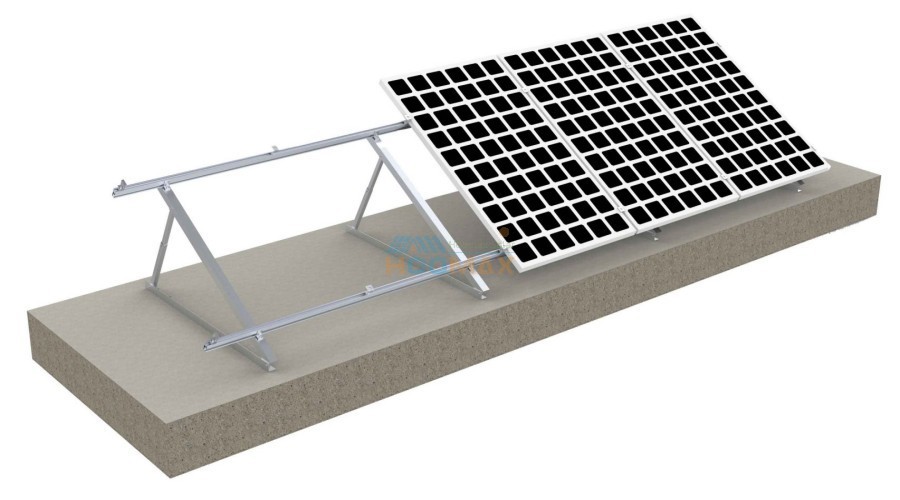
Agrivoltaic mounting systems are engineered to support solar panels while providing the necessary conditions for crops to grow. These systems are often adjustable, allowing for changes in angle and height to maximize solar exposure.
Some common types of agrivoltaic mounting systems include:
- **Fixed-tilt systems**: Non-adjustable structures that hold panels at a set angle.
- **Single-axis tracking systems**: Adjustable structures that rotate to follow the sun’s path throughout the day.
- **Dual-axis tracking systems**: Highly adjustable, allowing panels to track the sun's movement both horizontally and vertically.
This versatility enables the optimization of both energy production and agricultural outputs.
5. Benefits of Agrivoltaic Systems for Farmers
The adoption of agrivoltaic systems presents numerous advantages for farmers, leading to a more sustainable and profitable agricultural model.
5.1 Enhanced Crop Yields
Research indicates that crops grown in the shade of solar panels can experience improved yields. The panels can reduce soil temperature, decreasing water evaporation and protecting plants from extreme weather. This microclimate can lead to healthier crops and higher productivity.
5.2 Renewable Energy Generation
By generating their own electricity, farmers can reduce energy costs and reliance on fossil fuels. This shift not only lowers operating expenses but also contributes to a greener energy grid. Excess energy can be sold back to the grid, providing additional income.
5.3 Improved Land Use Efficiency
Agrivoltaic systems maximize land use by combining agriculture and energy production. This efficiency is vital as urbanization decreases available farmland. By utilizing the same land for both purposes, farmers can increase overall productivity without requiring additional land.
5.4 Reduced Water Consumption
The shade provided by solar panels can result in lower water requirements for certain crops, leading to significant water savings. This is especially important in regions experiencing drought or water scarcity, allowing farmers to conserve this precious resource.
6. Implementing Agrivoltaic Systems: A Step-by-Step Guide
Transitioning to agrivoltaic systems involves several key steps. Here’s how to implement these innovative solutions effectively:
1. **Assessment of Land**: Evaluate the suitability of your land for agrivoltaic systems. Consider factors like sunlight exposure, soil type, and current agricultural practices.
2. **Selecting the Right System**: Choose an appropriate mounting system based on your specific needs, such as crop types and local climate conditions.
3. **Designing the Layout**: Plan the layout of solar panels to ensure maximum sunlight penetration for crops while optimizing energy generation.
4. **Installation**: Work with certified professionals to install the agrivoltaic system, ensuring compliance with local regulations and best practices.
5. **Monitoring and Maintenance**: Regularly monitor crop health and energy generation efficiency. Maintenance of both the solar panels and agricultural practices is crucial for long-term success.
7. Case Studies: Successful Agrivoltaic Installations Worldwide
Numerous successful agrivoltaic projects worldwide demonstrate the viability of these systems. For instance:
- **Japan**: Many farms across Japan have adopted agrivoltaic solutions, resulting in increased crop yields and renewable energy generation, particularly in rice farming.
- **Germany**: Innovative agrivoltaic installations in Germany have proven successful in growing various crops while supplying clean energy to local communities.
- **United States**: In California, agrivoltaic systems are being utilized in vineyards, benefiting from both energy production and enhanced grape quality due to the microclimate created by solar panels.
These examples highlight the effectiveness of agrivoltaic systems in diverse agricultural settings.
8. Future Trends in Agrivoltaic Technology
The future of agrivoltaic technology looks promising. Innovations in solar technology, such as transparent solar panels and more efficient energy storage solutions, will enhance the efficiency of agrivoltaic systems. Additionally, advancements in precision agriculture, including the integration of IoT (Internet of Things) technologies, will allow for better monitoring and management of both crops and energy production.
Government incentives and policies encouraging renewable energy adoption will further drive the growth of agrivoltaics. As the demand for sustainable farming practices increases, agrivoltaic systems are likely to become mainstream solutions for farms worldwide.
9. FAQs About Agrivoltaic Mounting Systems
**Q1: What types of crops can be grown under agrivoltaic systems?**
A1: A variety of crops can be grown, including vegetables, fruits, and grains. The choice of crops often depends on the local climate and the design of the agrivoltaic system.
**Q2: How do agrivoltaic systems affect soil health?**
A2: Agrivoltaic systems can improve soil health by reducing erosion, maintaining moisture levels, and promoting beneficial microorganisms due to less direct sunlight.
**Q3: Are there any financial incentives for farmers to adopt agrivoltaic systems?**
A3: Yes, many governments offer subsidies, tax credits, and grants to promote renewable energy solutions, including agrivoltaic systems.
**Q4: What is the return on investment for agrivoltaic systems?**
A4: The return on investment varies based on location, system size, and crop type, but many farmers see significant savings on energy bills and increased crop yields.
**Q5: Can agrivoltaic systems integrate with existing farming practices?**
A5: Absolutely! Agrivoltaic systems can be tailored to fit within existing farming operations, allowing farmers to maintain traditional practices while benefiting from solar energy.
10. Conclusion
Agrivoltaic mounting systems represent a transformative approach to sustainable farming, merging agricultural production with renewable energy generation. By maximizing land use efficiency and enhancing crop yields, these systems present a viable solution to the challenges facing modern agriculture. As technology continues to advance and awareness grows, the potential of agrivoltaics will play a crucial role in shaping the future of sustainable farming. Embracing this innovative approach not only supports farmers but also contributes significantly to environmental stewardship and energy sustainability.




Room 601,No.368,Quanyutong Business center,Xianhou She,Huli District,Xiamen,China
Copyright © 2025 Xiamen Hoomax Solar Technology CO., LTD. ALL Rights Reserve.