Unlocking Solar Potential: The Role of Adjustable Tilt Mounting Systems
Release time:
2026-06-29
Unlocking Solar Potential: The Role of Adjustable Tilt Mounting Systems Table of Contents 1. Introduction to Solar Energy and Adjustable Tilt Mounting Systems 2. Importance of Tilt Angle in Solar Energy Generation 3. Types of Adjustable Tilt Mounting Systems 4. Benefits of Using Adjustable Tilt Mounting Systems 5. Installation Process of Adjustable Tilt Mounting Systems 6.
Unlocking Solar Potential: The Role of Adjustable Tilt Mounting Systems
Table of Contents
- 1. Introduction to Solar Energy and Adjustable Tilt Mounting Systems
- 2. Importance of Tilt Angle in Solar Energy Generation
- 3. Types of Adjustable Tilt Mounting Systems
- 4. Benefits of Using Adjustable Tilt Mounting Systems
- 5. Installation Process of Adjustable Tilt Mounting Systems
- 6. Maintaining Your Adjustable Tilt Mounting System
- 7. Costs and Financial Considerations
- 8. The Future of Adjustable Tilt Mounting Systems in Solar Energy
- 9. Frequently Asked Questions (FAQs)
- 10. Conclusion
1. Introduction to Solar Energy and Adjustable Tilt Mounting Systems
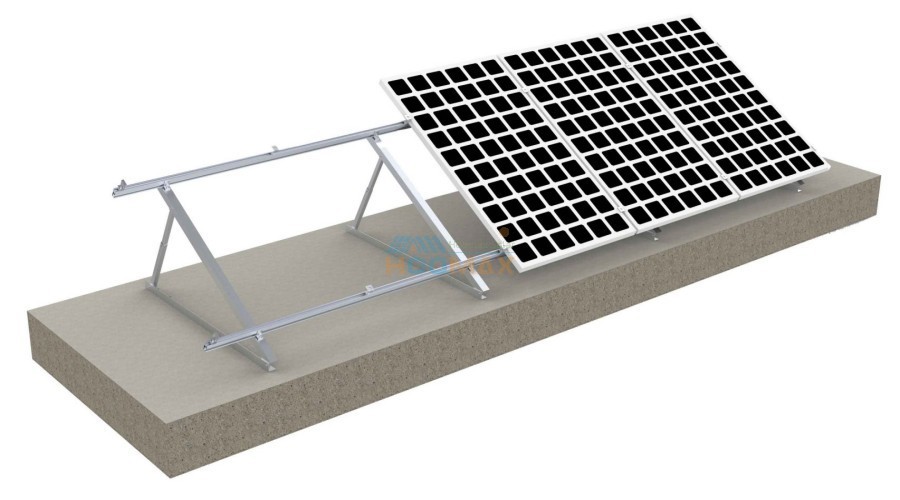
As the world increasingly shifts toward renewable energy solutions, solar energy continues to stand out as a leading contender. **Adjustable tilt mounting systems** play a pivotal role in optimizing solar energy capture. By adjusting the angle of solar panels, these systems enable better alignment with the sun's path throughout the year, enhancing energy production.
In this article, we will explore the various aspects of adjustable tilt mounting systems, addressing their importance, types, benefits, installation processes, maintenance, costs, and future prospects.
2. Importance of Tilt Angle in Solar Energy Generation
The amount of sunlight a solar panel receives directly impacts its efficiency. The **tilt angle**—the angle between the solar panel and the ground—can drastically affect energy output.
Optimal Tilt Angles for Different Locations
In different geographical locations, the optimal tilt angle will vary based on factors such as latitude and seasonal sun paths. For instance, areas closer to the equator generally benefit from a lower tilt angle, while regions farther from the equator might require higher angles to maximize sunlight exposure.
Seasonal Adjustments for Maximum Efficiency
Adjustable tilt systems allow users to adapt the tilt angle according to seasonal changes. During winter months, a steeper angle can capture lower sun elevations, whereas a flatter angle during summer months can accommodate the sun's higher path. This adaptability translates to increased energy production year-round.
3. Types of Adjustable Tilt Mounting Systems
Several types of adjustable tilt mounting systems exist, catering to different solar panel setups and user preferences.
Manual Adjustable Systems
Manual adjustable systems require users to physically change the angle of the solar panels. This type is cost-effective and ideal for smaller installations where manual adjustments are feasible.
Automatic Adjustable Systems
Automatic systems utilize motors and sensors to adjust the tilt angle based on real-time solar position data. These systems are typically more expensive but offer optimal performance with minimal user intervention.
Hybrid Systems
Hybrid systems combine manual and automatic features, allowing users to make adjustments manually while also benefiting from automated sensors for real-time optimization.
4. Benefits of Using Adjustable Tilt Mounting Systems
The implementation of adjustable tilt mounting systems offers numerous advantages, making them an attractive choice for solar energy users.
Increased Energy Output
One of the primary benefits of adjustable tilt systems is their ability to significantly increase energy output. By optimizing the angle of solar panels, users can achieve up to 25% more energy production compared to fixed installations.
Flexibility and Adaptability
Adjustable systems provide the flexibility required to adapt to changing environmental conditions, such as seasonal sun paths and weather variations. This adaptability ensures that users can maximize energy capture at any time of year.
Cost-Efficiency Over Time
While the initial investment in adjustable tilt mounting systems may be higher than that of fixed systems, the long-term benefits translate to greater cost efficiency. Increased energy production can lead to reduced utility bills and quicker return on investment (ROI).
5. Installation Process of Adjustable Tilt Mounting Systems
The installation of adjustable tilt mounting systems requires careful planning and execution.
Site Assessment
Before installation, a thorough site assessment is necessary. This includes evaluating the location for sunlight exposure, potential shading from nearby structures or trees, and determining the optimal tilt angles based on geographic location.
Selecting the Right System
Choosing the appropriate type of adjustable tilt mounting system is crucial. Factors to consider include budget, available space, and the desired level of automation.
Installation Steps
1. **Prepare the Site:** Clear any debris and ensure that the ground is level.
2. **Set Up the Mounting Structure:** Install the frame or structure that will hold the solar panels.
3. **Mount the Solar Panels:** Secure the solar panels to the mounting structure, ensuring they are aligned correctly.
4. **Adjust the Tilt Mechanism:** Depending on the chosen system, either set the manual tilt angle or program the automatic adjustment features.
5. **Test the System:** After installation, perform tests to confirm that the tilt adjustments function correctly.
6. Maintaining Your Adjustable Tilt Mounting System
Regular maintenance is essential to ensure that adjustable tilt mounting systems operate optimally.
Routine Inspections
Conduct routine inspections to check for any wear and tear on mechanical components. Look for signs of rust, loose connections, and any obstructions that may hinder the tilt adjustment.
Cleaning Solar Panels
Keep solar panels clean to maximize efficiency. Dust, dirt, and debris can accumulate, blocking sunlight and reducing energy output. Regular cleaning is vital, especially in areas with heavy pollution or dust.
Updating Software for Automatic Systems
For automatic tilt systems, ensure that software is updated regularly to maintain optimal performance. Updates can include improved algorithms for angle adjustments based on solar tracking data.
7. Costs and Financial Considerations
Understanding the financial implications of adjustable tilt mounting systems is essential for potential buyers.
Initial Investment
The initial cost of adjustable tilt systems can vary widely based on the type selected and the complexity of installation. Manual systems are generally less expensive than automatic ones.
Long-Term Savings
Although the upfront investment may be higher, the potential for increased energy production can lead to significant savings on energy bills over time.
Incentives and Rebates
In many regions, government incentives and rebates can offset the initial costs, making adjustable tilt mounting systems more affordable. Research local policies to find applicable programs.
8. The Future of Adjustable Tilt Mounting Systems in Solar Energy
As technology advances, the future looks promising for adjustable tilt mounting systems in the solar energy sector.
Innovations in Automation
Future developments may include more sophisticated automation, enabling systems to make real-time adjustments based on weather predictions and solar forecasting.
Integration with Smart Home Technologies
Adjustable tilt mounting systems may increasingly integrate with smart home technologies, allowing users to control and monitor their solar energy systems from their smartphones or other devices.
Environmental Impact and Sustainability
The continued adoption of solar energy solutions, particularly adjustable tilt systems, will play a crucial role in reducing dependence on fossil fuels and promoting sustainability.
9. Frequently Asked Questions (FAQs)
1. How do adjustable tilt mounting systems work?
Adjustable tilt mounting systems allow solar panels to change their angle, optimizing sunlight exposure throughout different times of the year.
2. Can I install an adjustable tilt mounting system myself?
While DIY installation is possible, it is recommended to consult with professionals to ensure proper setup and optimization.
3. What maintenance is required for these systems?
Regular inspections, cleaning of solar panels, and software updates for automatic systems are essential for maintaining performance.
4. Are adjustable tilt mounting systems worth the investment?
Yes, they can significantly increase energy production, leading to long-term savings that often justify the initial costs.
5. What factors should I consider when choosing a system?
Consider budget, space availability, desired level of automation, and local sunlight conditions when selecting a system.
10. Conclusion
In conclusion, **adjustable tilt mounting systems** represent a significant advancement in solar energy technology. By optimizing the angle of solar panels, these systems can enhance energy output, provide adaptability to changing conditions, and ultimately contribute to greater cost efficiency. As solar energy continues to grow, the role of these innovative systems will undoubtedly expand, offering even more potential for harnessing the sun's power effectively. Investing in adjustable tilt mounting systems is not only a smart choice for individual users but also a crucial step toward a more sustainable future.



Room 601,No.368,Quanyutong Business center,Xianhou She,Huli District,Xiamen,China
Copyright © 2025 Xiamen Hoomax Solar Technology CO., LTD. ALL Rights Reserve.