Enhancing Energy Efficiency: The Impact of Solar Ground Mounting Systems on Energy Production
Release time:
2026-06-04
How Solar Ground Mounting Systems Improve Energy Production Introduction to Solar Ground Mounting Systems Solar ground mounting systems play a crucial role in optimizing solar energy production. By providing a stable and versatile foundation for solar panels, these systems can enhance performance, accessibility, and durability. In this article, we will explore the various ways in which solar g
How Solar Ground Mounting Systems Improve Energy Production
Introduction to Solar Ground Mounting Systems
Solar ground mounting systems play a crucial role in optimizing solar energy production. By providing a stable and versatile foundation for solar panels, these systems can enhance performance, accessibility, and durability. In this article, we will explore the various ways in which solar ground mounting systems can improve energy output, alongside their installation, maintenance, and the technologies involved.
Understanding Solar Ground Mounting Systems
What Are Solar Ground Mounting Systems?
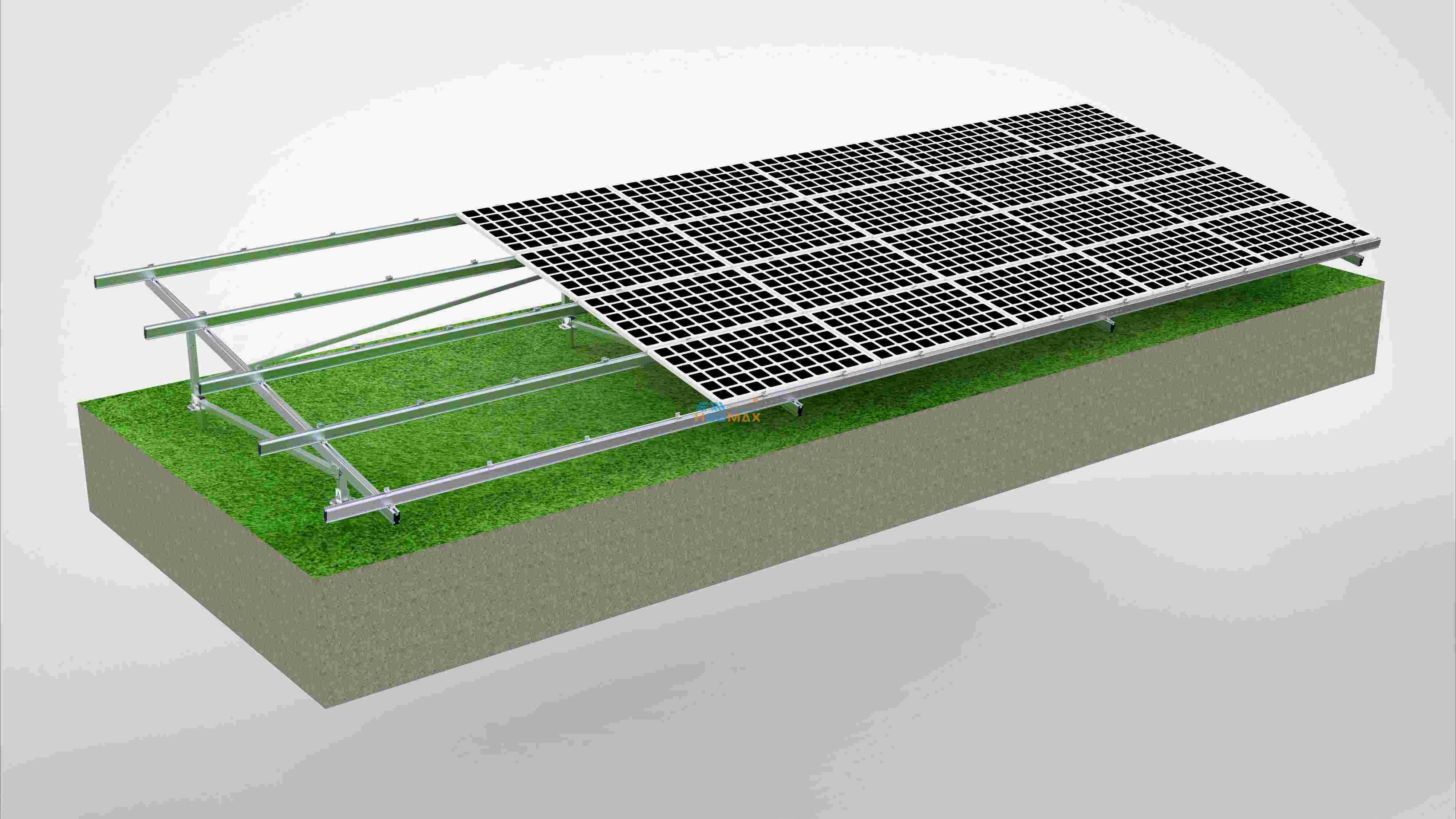
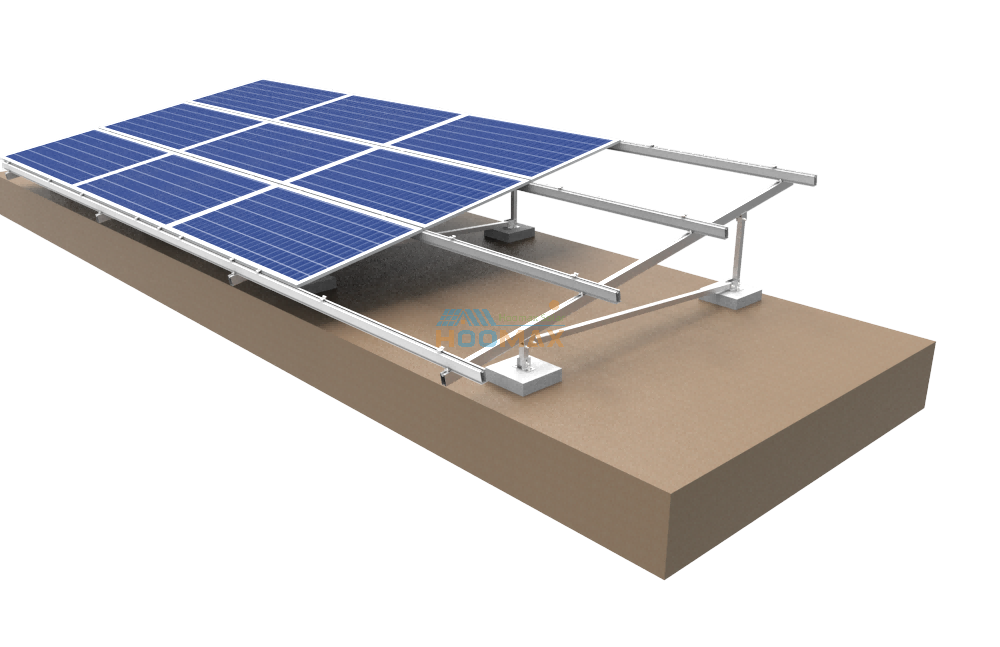
Solar ground mounting systems are substructures designed to hold solar panels securely in place on the ground, as opposed to rooftop installations. These systems can be strategically placed in open spaces, fields, or even on the sides of buildings, making them flexible for different types of solar energy projects.
Types of Ground Mounting Systems
There are several types of solar ground mounting systems, including:
- **Fixed Tilt Mounts:** These systems hold solar panels at a specific angle, optimizing sunlight exposure throughout the year.
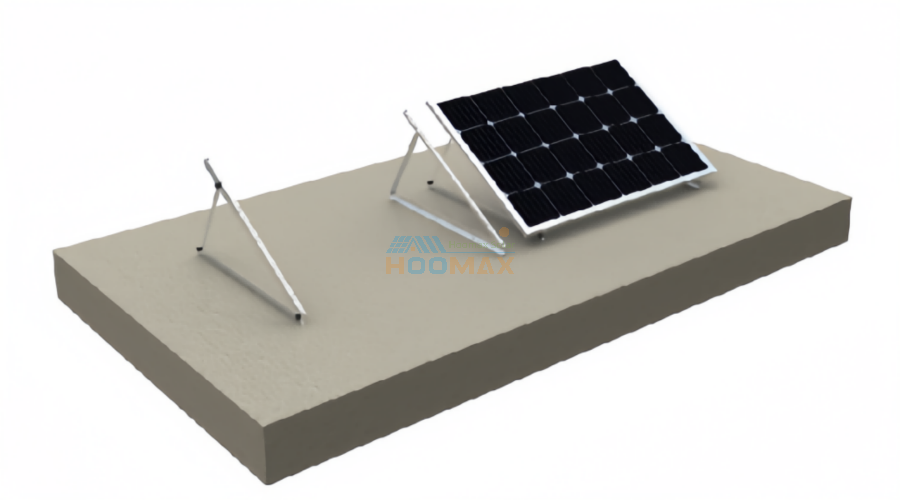
- **Adjustable Mounts:** Allow users to change the angle of the panels seasonally to maximize energy capture.
- **Tracking Systems:** Automatically adjust the position of solar panels to follow the sun’s trajectory, ensuring optimal sunlight capture throughout the day.
Key Advantages of Solar Ground Mounting Systems
1. Enhanced Energy Production
One of the primary advantages of solar ground mounting systems is their ability to maximize energy production. By positioning solar panels at optimal angles and locations, these systems can significantly increase overall performance. For instance, tracking systems can boost energy output by **25% to 40%** compared to fixed installations, as they follow the sun's path.
2. Improved Accessibility for Maintenance
Ground-mounted solar systems are generally easier to access than rooftop panels, allowing for more straightforward maintenance and cleaning. Regular maintenance is crucial to ensure that dust, debris, and other obstructions do not hinder energy production. Accessible systems facilitate quicker inspections, repairs, and upgrades, enhancing long-term efficiency.
3. Versatility in Installation
Solar ground mounting systems can be installed in various locations, including uneven terrains, which are often unsuitable for rooftop installations. This versatility allows for the utilization of otherwise unproductive land, turning it into a source of renewable energy.
4. Increased Lifespan of Solar Panels
When properly installed, ground-mounted solar panels tend to experience less wear and tear compared to rooftop installations due to improved airflow and reduced heat buildup. This can lead to a longer lifespan for the panels, ultimately providing better value for investment.
5. Better Solar Orientation and Tilt
Ground mounting allows for precise orientation and tilt adjustments, maximizing solar exposure. Unlike rooftops that may be limited by pitch and surrounding structures, ground-mounted systems can be optimized for the best possible angle relative to the sun.
Installation of Solar Ground Mounting Systems
Planning and Site Assessment
The installation process begins with thorough planning and site assessment. This involves evaluating the site's solar potential, considering factors such as shading, soil quality, and structural integrity. A well-sited system will yield maximum energy production.
Choosing the Right Mounting System
Selecting the appropriate solar ground mounting system depends on various factors, including budget, land availability, and energy goals. Fixed, adjustable, and tracking mounts each offer unique advantages that cater to different needs and preferences.
Installation Process Overview
1. **Site Preparation:** Clear the chosen area of any vegetation and debris to ensure a clean installation site.
2. **Foundation Work:** Depending on the type of mounting system, foundations may vary, including concrete footings or driven piles.
3. **Mounting Installation:** Securely attach the mounting structures to the foundations, ensuring stability and alignment.
4. **Panel Installation:** Affix the solar panels to the mounting structures, ensuring they are positioned correctly for maximum sunlight exposure.
5. **Wiring and Connection:** Connect the panels to the inverter and electrical system, completing the installation process.
Maintenance of Solar Ground Mounting Systems
Routine Inspections and Cleaning
Regular inspections are crucial for maintaining the efficiency of solar ground mounting systems. This includes checking for loose connections, signs of wear, and any potential shading issues. Additionally, cleaning the panels periodically removes dirt and debris that can obstruct sunlight.
Seasonal Adjustments
For adjustable or tracking systems, seasonal adjustments may be necessary to maintain optimal angles throughout the year. This proactive approach can help maximize energy production during different seasons.
Professional Maintenance Services
While many maintenance tasks can be performed by the system owner, enlisting professional services for major inspections and repairs can ensure the system operates at peak efficiency.
Technological Innovations in Solar Ground Mounting Systems
Smart Tracking Technologies
Recent advancements in smart tracking technologies have revolutionized solar ground mounting systems. These systems utilize sensors and algorithms to detect sunlight and adjust panel positions in real-time, significantly enhancing energy capture.
Modular Mounting Solutions
Modular designs allow for easy expansion and reconfiguration of solar ground mounting systems. This flexibility enables users to scale their solar energy production as their energy needs evolve.
Integration with Energy Storage Systems
Combining solar ground mounting systems with battery storage solutions can enhance energy self-sufficiency. By storing excess energy generated during peak sunlight hours, users can use this energy during off-peak times, maximizing efficiency and savings.
The Economic Impact of Solar Ground Mounting Systems
Cost-Effectiveness and Return on Investment
Investing in solar ground mounting systems can yield significant long-term savings. While initial installation costs may be higher than traditional rooftop systems, the increased energy output often results in a faster return on investment (ROI).
Government Incentives and Rebates
Many regions offer financial incentives and rebates for solar energy installations, including ground mounting systems. Researching available programs can help offset initial costs and make solar energy more accessible.
Job Creation in the Solar Industry
As the demand for solar ground mounting systems grows, so does the need for skilled labor in installation, maintenance, and manufacturing. This trend contributes to job creation within the renewable energy sector, supporting local economies.
Common Myths About Solar Ground Mounting Systems
1. Solar Ground Mounts Are Only for Large Properties
While ground mounting systems are often associated with large installations, they can be effectively utilized on smaller plots and even residential spaces with adequate land.
2. Ground-Mounted Systems Require More Maintenance
While maintenance is necessary for all solar systems, ground-mounted systems can be easier to maintain and inspect compared to those on rooftops.
3. Tracking Systems Are Not Worth the Investment
Although tracking systems may have higher upfront costs, their ability to increase energy production often justifies the expense, resulting in quicker payback periods.
FAQs About Solar Ground Mounting Systems
1. What is the average lifespan of solar ground-mounted systems?
Typically, solar ground-mounted systems can last **25 years or more** with proper maintenance.
2. Are solar ground mount systems more expensive than rooftop installations?
The initial costs may be higher, but the increased energy production often leads to a better overall return on investment.
3. Can solar ground mounts be installed in all types of soil?
While most soils can accommodate ground mounts, a professional assessment is recommended to determine the best foundation type for your site.
4. How do I know if my property is suitable for ground-mounted solar systems?
Factors such as land availability, sunlight exposure, and access for maintenance will determine suitability. A site assessment by a professional can provide clarity.
5. Can I combine solar ground mounts with other renewable energy sources?
Yes, integrating ground-mounted solar systems with other sources like wind power or energy storage systems can enhance overall energy efficiency and reliability.
Conclusion
Solar ground mounting systems offer a multitude of benefits, significantly improving energy production while providing versatility, easier maintenance, and opportunities for advanced technologies. With proper planning, installation, and maintenance, these systems can be an excellent investment for anyone looking to harness the power of solar energy. By understanding the advantages, installation processes, and maintenance requirements of solar ground mounting systems, individuals and businesses can make informed decisions that lead to sustainable energy solutions and increased efficiency.




Room 601,No.368,Quanyutong Business center,Xianhou She,Huli District,Xiamen,China
Copyright © 2025 Xiamen Hoomax Solar Technology CO., LTD. ALL Rights Reserve.