How Adjustable Tilt Solar Mounting Systems Work: A Comprehensive Overview
Release time:
2026-05-23
How Adjustable Tilt Solar Mounting Systems Work: A Comprehensive Overview Table of Contents Understanding Solar Mounting Systems What Are Adjustable Tilt Solar Mounting Systems? Benefits of Using Adjustable Tilt Solar Mounting Systems How Does an Adjustable Tilt Solar Mounting System Work? The Installation Process Maintenance and Care for Adjustable Tilt Sy
How Adjustable Tilt Solar Mounting Systems Work: A Comprehensive Overview
Table of Contents
- Understanding Solar Mounting Systems
- What Are Adjustable Tilt Solar Mounting Systems?
- Benefits of Using Adjustable Tilt Solar Mounting Systems
- How Does an Adjustable Tilt Solar Mounting System Work?
- The Installation Process
- Maintenance and Care for Adjustable Tilt Systems
- Common Issues and Solutions
- The Future of Adjustable Tilt Solar Mounting Systems
- FAQs
Understanding Solar Mounting Systems
Solar mounting systems serve as the foundation for solar panels, providing them with the necessary support and orientation towards the sun. These systems can be broadly classified into three categories: fixed, adjustable, and tracking mounts. While fixed mounts offer stability, adjustable tilt mounting systems provide enhanced flexibility by allowing users to change the angle of their panels according to the sun's position throughout the year.
What Are Adjustable Tilt Solar Mounting Systems?
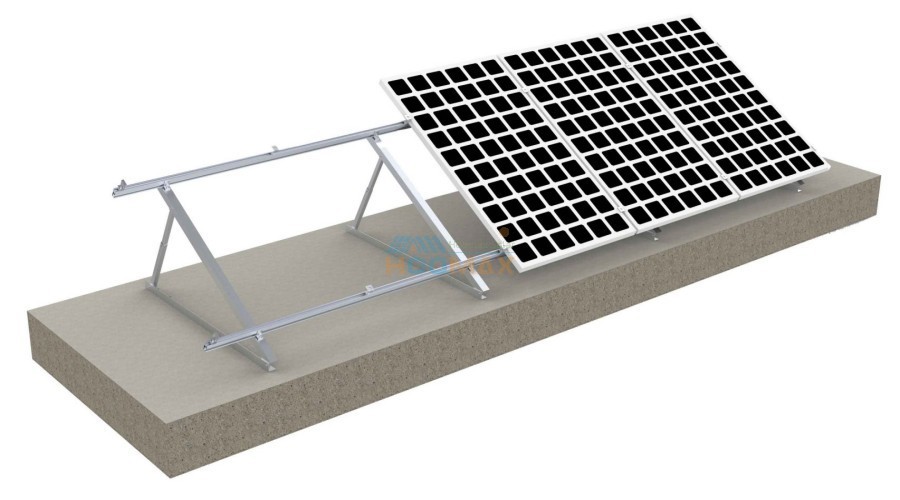
Adjustable tilt solar mounting systems are specialized frameworks designed to hold solar panels at varying angles, optimizing their exposure to sunlight. These systems can be manually or automatically adjusted to alter the tilt angle and elevation based on seasonal changes or daily solar paths. By maximizing solar exposure, these systems significantly enhance energy production.
The Mechanics of Adjustable Tilt Systems
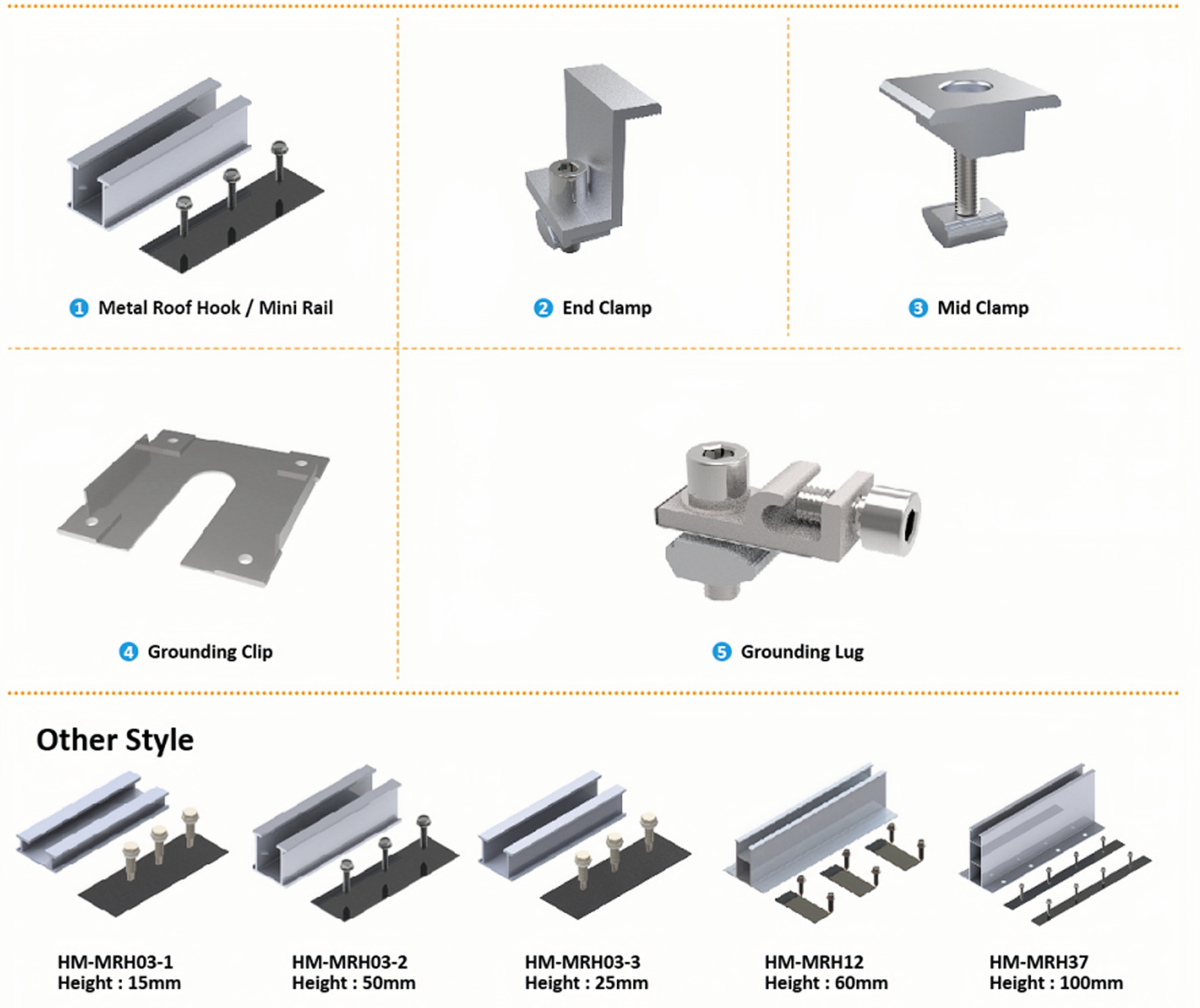
The mechanics behind adjustable tilt systems involve a series of components, including frames, brackets, and tilt mechanisms. The tilt mechanism can be hydraulic, mechanical, or electronic, allowing for precise adjustments. The design is engineered to withstand environmental pressures while providing ease of use for the operator.
Benefits of Using Adjustable Tilt Solar Mounting Systems
Utilizing adjustable tilt solar mounting systems comes with numerous advantages:
1. Increased Energy Efficiency
By adjusting the angle of the solar panels to match the sun's position, these systems can improve energy capture by up to 25% compared to fixed installations.
2. Flexibility and Versatility
Adjustable tilt systems allow for seasonal adjustments, enabling users to adapt their installations for optimal performance throughout the year.
3. Longevity and Durability
Many adjustable tilt systems are designed with high-quality materials that resist corrosion and harsh weather conditions, extending the lifespan of both the mounting system and the solar panels.
4. Cost-Effectiveness
While the initial investment may be higher, the increased energy yield and efficiency of adjustable tilt systems can lead to significant long-term savings on energy bills.
How Does an Adjustable Tilt Solar Mounting System Work?
The operation of an adjustable tilt solar mounting system is intuitive. Users can modify the angle of the solar panels using the tilt mechanisms integrated into the mounting structure.
Manual Adjustment
For systems requiring manual adjustment, users typically rely on a simple lever or crank system to change the angle. This method is cost-effective and straightforward, ideal for residential installations.
Automatic Adjustment
Automatic tilt systems utilize sensors and motors to adjust the panel angle automatically throughout the day, optimizing solar capture without user intervention. This technology is often used in commercial installations where efficiency is paramount.
Control Systems
The control systems in automatic adjustable tilt mounts can incorporate real-time weather data and solar radiation levels to determine the optimal panel angle, maximizing power output.
The Installation Process
Installing an adjustable tilt solar mounting system requires careful planning and execution to ensure efficiency and safety.
1. Site Assessment
Begin with a thorough assessment of the proposed installation site. Factors to consider include sunlight exposure, shading from nearby structures, and local building codes.
2. Selecting the Right System
Choose an adjustable tilt system that fits your specific needs, considering factors such as panel size, weight capacity, and desired adjustment method (manual or automatic).
3. Ground or Roof Mounting
Decide whether to install the system on the ground or on the roof. Ground mounts may require additional structural support, while roof mounts need careful assessment of roof integrity.
4. Installation Steps
- Excavate and prepare the site (for ground mounts).
- Assemble the mounting frame according to the manufacturer's instructions.
- Securely attach the solar panels to the frame.
- Implement the tilt mechanism and ensure it functions correctly.
- Connect the electrical wiring to the inverter and grid.
Maintenance and Care for Adjustable Tilt Systems
Regular maintenance is crucial for the longevity and performance of adjustable tilt solar mounting systems.
1. Routine Inspections
Conduct regular inspections to check for wear and tear, ensuring all components function smoothly and effectively.
2. Cleaning
Keep solar panels clean from debris, dirt, and dust to maximize sunlight absorption. Cleaning frequency may vary based on environmental conditions.
3. Lubrication of Moving Parts
For manual adjustable systems, lubricate moving parts periodically to prevent rust and ensure easy operation.
4. Monitor Performance
Use monitoring systems to track energy production and identify any discrepancies that may indicate maintenance needs.
Common Issues and Solutions
Adjustable tilt systems, like any mechanical systems, can face challenges. Here are some common issues and their solutions:
1. Stiff Adjustment Mechanism
If the tilt mechanism is difficult to adjust, examine for dirt buildup or lack of lubrication. Clean and apply lubricant as necessary.
2. Misalignment of Panels
Misaligned panels can reduce efficiency. Regularly check the alignment and adjust according to the manufacturer’s guidelines.
3. Electrical Issues
If energy production drops unexpectedly, inspect the wiring and connections for damages or loose connections.
The Future of Adjustable Tilt Solar Mounting Systems
The evolution of solar technology continues to shape the future of adjustable tilt solar mounting systems. Innovations in materials and automation technology promise even greater energy efficiency and user convenience.
1. Smart Technology Integration
The integration of IoT and smart technology will enhance the capabilities of adjustable tilt systems, allowing for real-time data analysis and automated adjustments based on environmental conditions.
2. Eco-Friendly Materials
Future designs are likely to incorporate more sustainable materials, reducing the environmental impact of solar installations while maintaining durability and performance.
3. Increased Accessibility
As technology advances and costs decrease, adjustable tilt systems will become more accessible to a broader audience, encouraging more homeowners to adopt solar energy solutions.
FAQs
1. What is the main advantage of adjustable tilt solar mounting systems?
The main advantage is their ability to increase energy efficiency by allowing users to modify the panel angle for optimal sunlight exposure throughout the year.
2. Are adjustable tilt solar mounting systems suitable for small residential setups?
Yes, many adjustable tilt systems are designed for residential use, offering manual adjustment options that are cost-effective and easy to implement.
3. How often should I adjust the angle of my solar panels?
Adjustments can be made seasonally or monthly, depending on the geographical location and specific solar path variations.
4. Do adjustable tilt systems require a lot of maintenance?
While maintenance is necessary, it is generally straightforward and involves regular inspections, cleaning, and lubrication of moving parts.
5. Can I install an adjustable tilt solar mounting system myself?
If you possess the necessary skills and tools, you can install the system yourself. However, professional installation is recommended for optimal results and safety.
Conclusion
Adjustable tilt solar mounting systems are an essential component of modern solar energy solutions, enhancing efficiency and adaptability in capturing solar power. By understanding their structure, benefits, and operation, users can make informed decisions that lead to significant energy savings and sustainability. As technology evolves, these systems will continue to play a crucial role in the transition to renewable energy, providing a flexible and powerful means of harnessing the sun's energy. Investing in an adjustable tilt solar mounting system could be one of the most beneficial decisions for your energy future.



Room 601,No.368,Quanyutong Business center,Xianhou She,Huli District,Xiamen,China
Copyright © 2025 Xiamen Hoomax Solar Technology CO., LTD. ALL Rights Reserve.