Understanding the Cost-Effectiveness of Solar Ground Mounting Systems: A Comprehensive Guide
Release time:
2026-05-14
Understanding the Cost-Effectiveness of Solar Ground Mounting Systems Solar energy is rapidly transforming the way we think about power generation. As homeowners and businesses seek sustainable energy solutions, solar ground mounting systems have emerged as a viable option. In this article, we will delve into the cost-effectiveness of these systems, analyzing various factors that play a role in th
Understanding the Cost-Effectiveness of Solar Ground Mounting Systems
Solar energy is rapidly transforming the way we think about power generation. As homeowners and businesses seek sustainable energy solutions, solar ground mounting systems have emerged as a viable option. In this article, we will delve into the cost-effectiveness of these systems, analyzing various factors that play a role in their overall value.
Table of Contents
1. What Are Solar Ground Mounting Systems?
2. The Cost of Solar Ground Mounting Systems
3. Installation Process: What to Expect
4. Comparing Ground Mounting with Roof-Mounted Systems
5. Long-Term Savings and Financial Incentives
6. Challenges and Considerations in Solar Ground Mounting
7. Case Studies: Real-Life Cost Analysis
8. FAQs about Solar Ground Mounting Systems
9. Conclusion: Is a Solar Ground Mounting System Right for You?
1. What Are Solar Ground Mounting Systems?
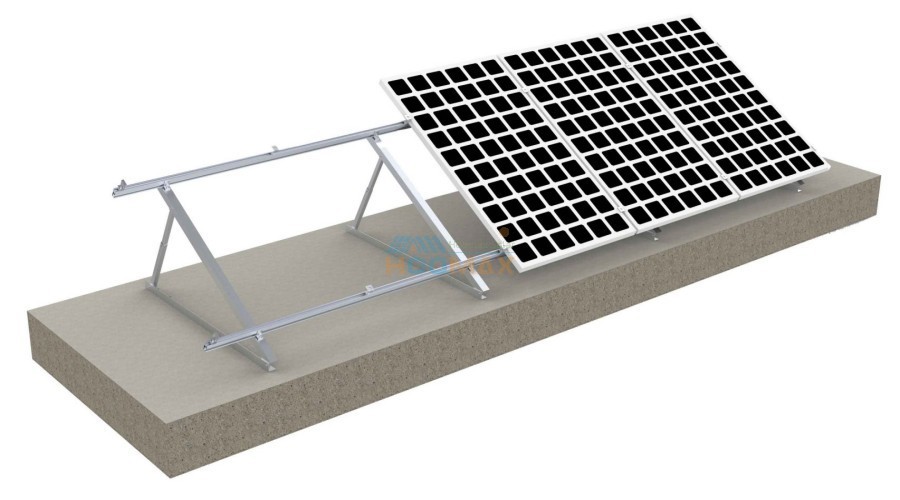
Solar ground mounting systems are structures that support solar panels installed on the ground rather than on rooftops. They are designed to maximize sun exposure, ensuring that solar panels capture the most sunlight throughout the day. Ground mounts can be fixed or adjustable, allowing for optimal angles depending on geographical location.
2. The Cost of Solar Ground Mounting Systems
The initial investment in solar ground mounting systems can vary significantly based on several factors, including:
2.1. Installation Costs
On average, the installation cost for a solar ground mounting system ranges between $10,000 and $30,000, depending on the system size and complexity. This figure includes the price of solar panels, inverters, mounting hardware, and labor.
2.2. Land Requirements and Preparation
Unlike roof-mounted systems, ground mounts require sufficient space. If the land is not already cleared or prepared, additional costs for land grading and clearing may arise. These costs can add anywhere from $1,000 to $5,000 to the overall project.
2.3. Permitting and Inspection Fees
Local regulations often mandate permits for solar installations, which can add to project costs. Homeowners should anticipate fees ranging from $500 to $2,000 for this process.
3. Installation Process: What to Expect
Understanding the installation process helps potential buyers appreciate what to expect when opting for a solar ground mounting system.
3.1. Site Assessment
The first step is a thorough site assessment. Solar installers evaluate the land's solar potential, accessibility, and any obstacles that may hinder sunlight exposure.
3.2. Design and Planning
Once the assessment is complete, a design plan is formulated. This plan outlines the ideal positioning and configuration of the solar panels.
3.3. Ground Preparation
Before installation, the ground must be prepared. This may involve leveling the site and ensuring the area is free from debris.
3.4. Installation of Mounting Structures
The mounting structures are then installed, providing a sturdy base for solar panels. The choice between fixed and adjustable mounts will be determined during the design phase.
3.5. Solar Panel Installation
After the mounts are in place, solar panels are attached, followed by wiring and connecting to the inverter and electrical system.
4. Comparing Ground Mounting with Roof-Mounted Systems
When considering solar energy options, homeowners often debate between ground-mounted and roof-mounted systems.
4.1. Space Utilization
Roof-mounted systems utilize existing structures, making them ideal for homes with limited land. Ground mounts, however, are suitable for properties with ample land, allowing for larger installations.
4.2. Maintenance and Accessibility
Ground-mounted systems are generally easier to maintain. They can be accessed without the need for ladders and offer more straightforward cleaning opportunities, which can enhance efficiency.
4.3. Performance and Efficiency
Ground-mounted systems can often achieve better performance due to optimal sun exposure. The angle of installation can be adjusted, increasing energy capture compared to fixed roof setups.
5. Long-Term Savings and Financial Incentives
Investing in solar energy can yield significant long-term savings.
5.1. Energy Savings
Homeowners can experience drastic reductions in their energy bills, with savings potentially exceeding $20,000 over 20 years, depending on system size and electricity rates.
5.2. Incentives and Rebates
Numerous financial incentives are available to boost the cost-effectiveness of solar systems. Federal tax credits, state incentives, and local rebates can lower initial costs, making solar more accessible.
5.3. Increased Property Value
Solar installations can enhance property value. Studies show homes with solar systems sell for approximately 4% more than comparable homes without solar.
6. Challenges and Considerations in Solar Ground Mounting
While solar ground mounting systems offer many advantages, they are not without challenges.
6.1. Upfront Costs
The initial investment can be daunting for some homeowners. However, financing options and potential savings can mitigate this concern.
6.2. Land Use Restrictions
Local zoning laws and land use restrictions may limit installation options. It’s crucial to check local regulations before proceeding.
6.3. Maintenance Requirements
While ground-mounted systems are easier to maintain, they still require regular upkeep to ensure optimal performance. This can include cleaning panels and checking for any obstructions.
7. Case Studies: Real-Life Cost Analysis
Examining real-life examples can offer valuable insight into the cost-effectiveness of solar ground mounting systems.
7.1. Residential Case Study
Consider a homeowner in a rural area who installed a 10 kW solar ground mounting system for $25,000. With state incentives and tax credits, the cost was reduced by 30%. Over 20 years, the homeowner saved around $30,000 on electricity costs.
7.2. Commercial Case Study
A small business invested in a larger 100 kW ground-mounted system for $250,000. Utilizing financing options, they projected savings of $150,000 over 25 years, significantly improving their bottom line.
8. FAQs about Solar Ground Mounting Systems
8.1. What is the lifespan of a solar ground mounting system?
Most solar panels last 25-30 years, while mounting systems can endure even longer with proper maintenance.
8.2. Can I install a solar ground mounting system on sloped land?
Yes, solar ground mounts can be installed on sloped land, but the design and installation process may be more complex.
8.3. How do weather conditions affect solar ground mounting systems?
While weather can impact solar efficiency, ground-mounted systems are designed to withstand various conditions, including snow and heavy rain.
8.4. Are there any environmental concerns with ground mounts?
Ground mounts require land use, which can influence local ecosystems. However, careful site selection can minimize environmental impact.
8.5. What maintenance is required for solar ground mounting systems?
Regular inspections and cleaning are recommended to ensure optimal performance. This includes checking for debris and ensuring no shading from nearby trees or structures.
9. Conclusion: Is a Solar Ground Mounting System Right for You?
Solar ground mounting systems present a compelling option for those looking to harness solar energy. While the initial costs can be significant, the long-term savings, increased property value, and financial incentives make them a cost-effective choice for many homeowners and businesses. By considering your land availability, budget, and energy goals, you can determine if a solar ground mounting system is the right fit for your needs. Whether you are in it for the financial savings or environmental impact, solar energy is a smart investment for the future.



Room 601,No.368,Quanyutong Business center,Xianhou She,Huli District,Xiamen,China
Copyright © 2025 Xiamen Hoomax Solar Technology CO., LTD. ALL Rights Reserve.