A Beginner's Guide to Installing a Solar Ground Mounting System: Harnessing Solar Energy Made Easy
Release time:
2026-04-03
A Beginner's Guide to Installing a Solar Ground Mounting System Table of Contents 1. Introduction to Solar Ground Mounting Systems 2. Benefits of Installing a Solar Ground Mounting System 3. Planning Your Solar Ground Mounting System 4. Selecting the Right Site for Installation 5. Essential Components of a Solar Ground Mounting System 6. Step-by-Step Installation Process
A Beginner's Guide to Installing a Solar Ground Mounting System
Table of Contents
- 1. Introduction to Solar Ground Mounting Systems
- 2. Benefits of Installing a Solar Ground Mounting System
- 3. Planning Your Solar Ground Mounting System
- 4. Selecting the Right Site for Installation
- 5. Essential Components of a Solar Ground Mounting System
- 6. Step-by-Step Installation Process
- 7. Maintaining Your Solar Ground Mounting System
- 8. Understanding the Costs Involved
- 9. Frequently Asked Questions
- 10. Conclusion
1. Introduction to Solar Ground Mounting Systems
In recent years, the demand for renewable energy sources has surged, and solar power is at the forefront of this movement. A **solar ground mounting system** provides a stable and efficient way to harness solar energy, allowing homeowners and businesses to reduce their carbon footprint and save on energy costs. This guide aims to help beginners navigate the complexities of installing a solar ground mounting system, ensuring a smooth and successful setup.
2. Benefits of Installing a Solar Ground Mounting System
The advantages of installing a solar ground mounting system are multifaceted:
2.1 Cost-Effective Energy Production
By taking advantage of solar energy, users can significantly lower their electricity bills. The initial investment pays off over time through reduced utility costs.
2.2 Environmentally Friendly
Solar energy is a clean and renewable resource that helps decrease reliance on fossil fuels. By installing a solar ground mount, you contribute to a more sustainable future.
2.3 Flexibility in Installation
Ground-mounted systems can be installed in various configurations and locations, allowing for optimal sun exposure. This flexibility often results in higher energy production compared to rooftop systems.
2.4 Easy Maintenance
Ground-mounted solar panels are generally easier to access for cleaning and maintenance compared to rooftop systems. Regular maintenance ensures optimal performance and longevity.
3. Planning Your Solar Ground Mounting System
Before diving into the installation process, careful planning is crucial. Here are the steps to ensure a successful project:
3.1 Determine Your Energy Needs
Assess your current energy consumption to determine the size of the solar system you need. Reviewing past utility bills can help establish a baseline.
3.2 Research Local Regulations
Check local building codes and regulations regarding solar installations. Some areas may require permits, while others may have specific requirements that you must adhere to.
3.3 Explore Incentives and Rebates
Many governments offer incentives for solar installation. Research available financial aids to reduce your upfront costs.
4. Selecting the Right Site for Installation
Choosing the right location for your solar ground mounting system is vital for maximizing efficiency.
4.1 Sun Exposure
Identify an area that receives ample sunlight throughout the day. The ideal site should be unobstructed by trees, buildings, or other structures.
4.2 Soil Quality
Check the soil condition where you plan to install the mounting system. Stable, firm ground is essential for a secure installation.
4.3 Accessibility
Ensure that the site is easily accessible for installation and future maintenance. Consider proximity to your home and any necessary electrical connections.
5. Essential Components of a Solar Ground Mounting System
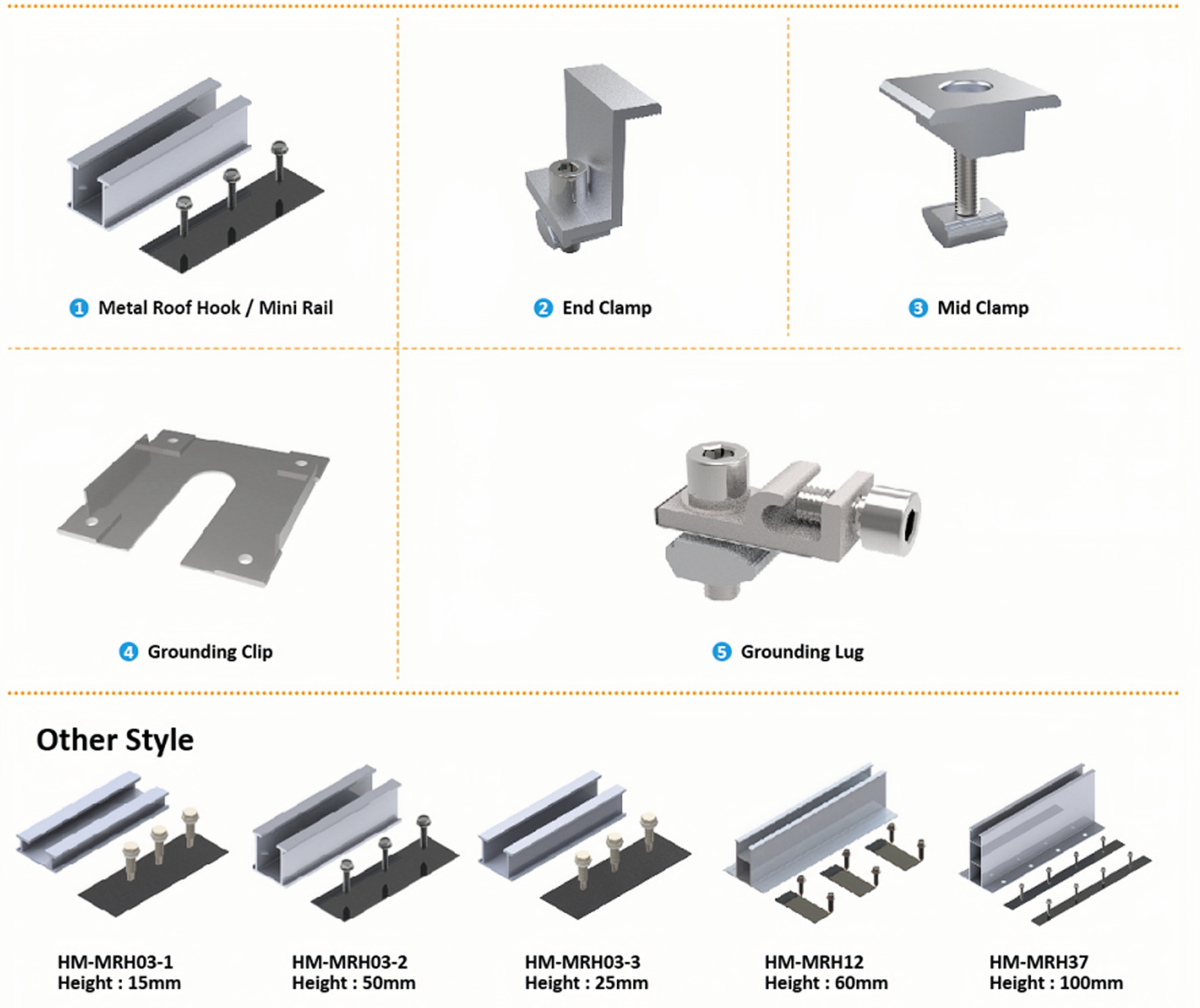
Understanding the key components of your solar ground mounting system is crucial for a successful installation.
5.1 Solar Panels
The most critical component, solar panels convert sunlight into electricity. Selecting high-efficiency panels will enhance overall system performance.
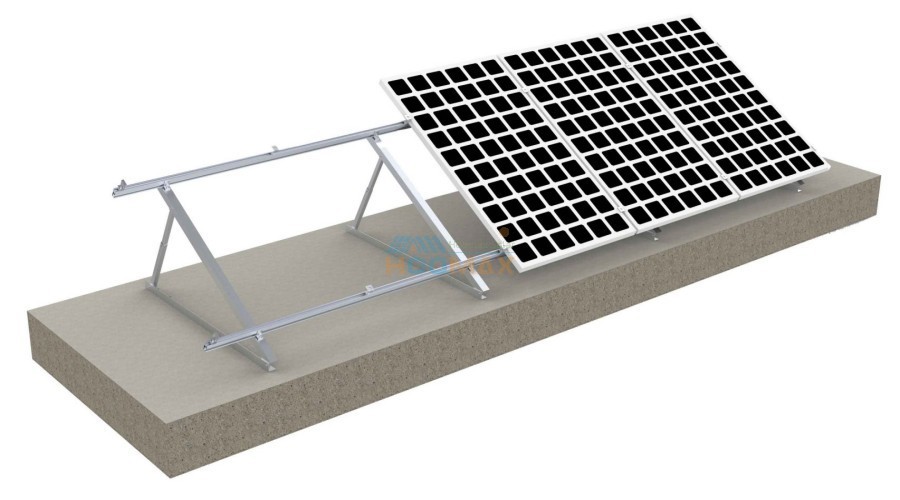
5.2 Ground Mounting Structure
The mounting structure secures the solar panels to the ground. Options include fixed mounts, adjustable mounts, and tracking systems that follow the sun’s path.
5.3 Inverter
The inverter converts the direct current (DC) generated by the solar panels into alternating current (AC), which is what your home uses.
5.4 Battery Storage (Optional)
Including a battery storage system allows you to store excess energy generated during sunny days for use during cloudy days or at night, enhancing energy independence.
6. Step-by-Step Installation Process
The installation process can be broken down into several key steps:
6.1 Gather Tools and Materials
Before starting, ensure you have all necessary tools and materials, including a shovel, concrete mix, a wrench, and safety gear.
6.2 Prepare the Site
Clear the area of debris, rocks, and vegetation. Mark the layout for the mounting structure based on your design.
6.3 Install the Mounting Structure
Follow the manufacturer's instructions to secure the mounting structure into the ground. This often involves digging holes for the posts, filling them with concrete, and leveling the structure.
6.4 Attach Solar Panels
Once the mounting structure is secure, attach the solar panels according to the provided guidelines. Ensure all connections are tight and secure.
6.5 Connect the Inverter
Install the inverter near the solar panels and connect it according to the manufacturer's instructions. This step is crucial for energy conversion.
6.6 Final Electrical Connections
Connect the inverter to your home’s electrical system, ensuring compliance with local codes. Consider hiring a licensed electrician for this step if you’re unsure.
6.7 Testing the System
Before completing the installation, test the system to ensure everything functions correctly. Check for any issues and rectify them before finalizing the setup.
7. Maintaining Your Solar Ground Mounting System
Maintenance is key to ensuring the longevity and efficiency of your solar ground mounting system.
7.1 Regular Cleaning
Keep the solar panels clean and free from debris to maximize sunlight absorption. A good rain can help, but you may want to wash them periodically.
7.2 Monitor Performance
Use a monitoring system to keep track of energy production and detect any issues early. Many modern inverters come with monitoring capabilities.
7.3 Schedule Professional Inspections
Consider scheduling periodic inspections with a professional to ensure all components are functioning properly and to address any potential issues.
8. Understanding the Costs Involved
The overall cost of installing a solar ground mounting system varies based on several factors.
8.1 Initial Installation Costs
The primary expenses include solar panels, mounting structures, inverters, and installation labor. Research different suppliers to get the best value.
8.2 Long-Term Savings
While the initial investment can be significant, consider the long-term savings on energy bills. Over time, many users recoup their investment, and some even generate income through net metering.
8.3 Maintenance Costs
Factor in maintenance costs, which are generally low but can vary based on system complexity and local service rates.
9. Frequently Asked Questions
9.1 What is the lifespan of solar panels?
Solar panels typically have a lifespan of 25 to 30 years, with most manufacturers offering warranties for this duration.
9.2 Can I install a solar ground mounting system myself?
Yes, with proper planning and understanding of the installation process, many homeowners can successfully install a solar ground mounting system themselves. However, hiring professionals for specific tasks may be advisable.
9.3 How much maintenance do solar ground mounting systems require?
Maintenance is minimal; regular cleaning and occasional inspections are usually sufficient to ensure optimal performance.
9.4 Are there any incentives for installing solar systems?
Yes, many states and local governments offer tax credits, rebates, and other financial incentives to encourage solar energy adoption.
9.5 What should I do if my solar panels are not working?
Check for any visible damage or obstructions. If issues persist, consult a professional to diagnose and resolve potential electrical problems.
10. Conclusion
Installing a solar ground mounting system can seem overwhelming at first, but with the right guidance and preparation, it can be a rewarding endeavor. By following this comprehensive guide, beginners can successfully navigate the installation process, ensuring they harness the sun’s energy effectively. With the added benefits of cost savings, environmental impact, and flexibility, investing in a solar ground mounting system is a step towards a sustainable future. Make informed decisions, plan carefully, and enjoy the long-term rewards of your solar energy journey!



Room 601,No.368,Quanyutong Business center,Xianhou She,Huli District,Xiamen,China
Copyright © 2025 Xiamen Hoomax Solar Technology CO., LTD. ALL Rights Reserve.