Solar Panel Mounting Brackets: Essential Accessories for Efficient Solar Systems
Release time:
2026-04-01
Solar Panel Mounting Brackets: Essential Accessories for Efficient Solar Systems Table of Contents 1. Understanding Solar Panel Mounting Brackets 2. The Importance of Mounting Brackets in Solar Systems 3. Types of Solar Panel Mounting Brackets 3.1 Fixed Mounting Brackets 3.2 Adjustable Mounting Brackets 3.3 Ground Mounting Brackets 3.4 Roof Mounting Brackets 4. Materials Used in So
Solar Panel Mounting Brackets: Essential Accessories for Efficient Solar Systems
Table of Contents
1. Understanding Solar Panel Mounting Brackets
2. The Importance of Mounting Brackets in Solar Systems
3. Types of Solar Panel Mounting Brackets
3.1 Fixed Mounting Brackets
3.2 Adjustable Mounting Brackets
3.3 Ground Mounting Brackets
3.4 Roof Mounting Brackets
4. Materials Used in Solar Panel Mounting Brackets
5. Installation Process for Solar Panel Mounting Brackets
6. Maintenance Tips for Solar Panel Mounting Systems
7. Factors to Consider When Choosing Mounting Brackets
8. Frequently Asked Questions (FAQs)
9. Conclusion
1. Understanding Solar Panel Mounting Brackets
Solar panel mounting brackets are essential components that secure solar panels to various surfaces, ensuring they remain stable and effective in harnessing solar energy. These brackets can be customized to fit different panel types and installation methods, significantly influencing the overall performance of solar energy systems. Understanding the different aspects of mounting brackets allows for optimal installation and maximum energy output.
2. The Importance of Mounting Brackets in Solar Systems
Mounting brackets play a pivotal role in the functionality of solar systems. They are responsible for holding solar panels in place, offering several advantages:
- **Stability**: Proper mounting ensures that solar panels remain secure against wind, rain, and other environmental factors.
- **Optimal Angle**: Brackets allow for adjustments to the angle of solar panels, maximizing exposure to sunlight throughout the day.
- **Safety**: High-quality mounting brackets minimize the risk of damage to panels and surrounding structures during adverse weather conditions.
3. Types of Solar Panel Mounting Brackets
Choosing the correct type of mounting bracket is crucial for the effectiveness of a solar panel system. Here, we explore the various types of solar panel mounting brackets:
3.1 Fixed Mounting Brackets
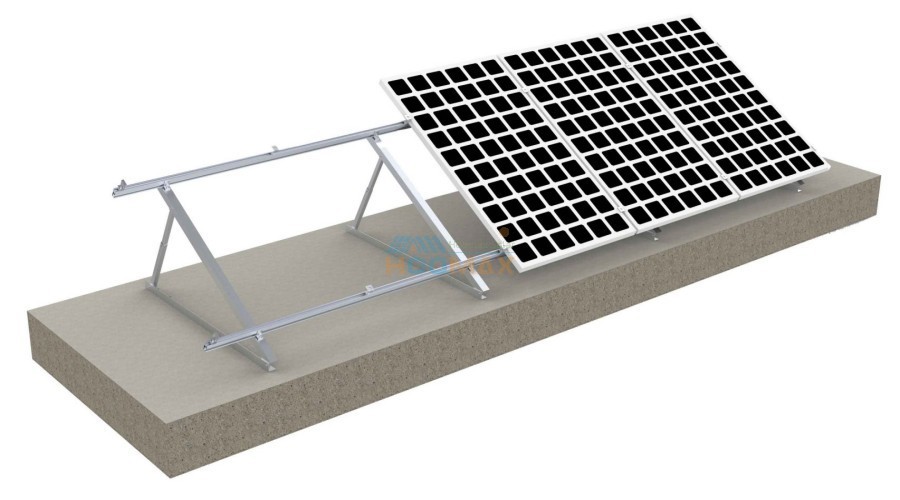
Fixed mounting brackets provide a stable, unmovable base for solar panels. They are best suited for locations where the sun’s path changes minimally throughout the year. These brackets are often installed at a fixed angle that is deemed most efficient for solar energy production based on geographical location.
3.2 Adjustable Mounting Brackets
Adjustable brackets offer flexibility by allowing users to change the angle of the solar panels during different seasons. This adaptability can enhance energy production, especially in regions with significant seasonal sunlight variation. Adjustable brackets come with mechanisms that enable easy angle adjustments.
3.3 Ground Mounting Brackets
Ground mounting brackets are used for installations on open land, offering a robust solution for larger solar panel systems. These brackets can accommodate multiple panels and are typically anchored into the ground, providing stability against weather elements.
3.4 Roof Mounting Brackets
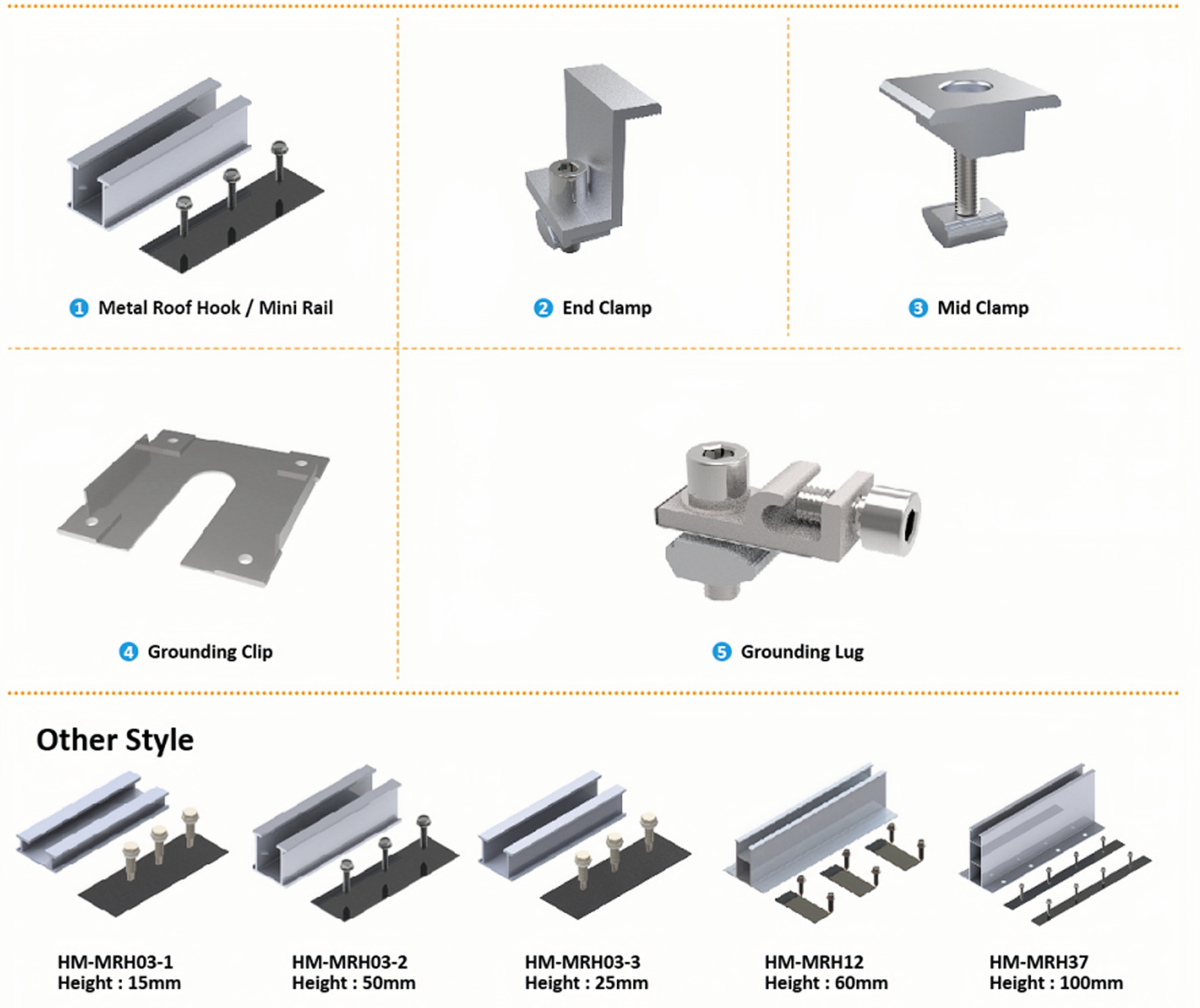
Roof mounting brackets are designed for installations on residential or commercial buildings. They secure panels to pitched or flat roofs, utilizing specialized systems that prevent leaks and ensure the rooftop’s integrity.
4. Materials Used in Solar Panel Mounting Brackets
The materials used for solar panel mounting brackets significantly influence their durability and performance. Common materials include:
- **Aluminum**: Lightweight and resistant to corrosion, aluminum brackets are a popular choice for many installations.
- **Steel**: Known for its strength, steel can provide additional support but may require protective coatings to resist rust.
- **Plastic**: In some cases, high-density plastics are used for lightweight installations, but they may not offer the same longevity as metal options.
Choosing the right material depends on the specific needs of the installation site and the expected environmental conditions.
5. Installation Process for Solar Panel Mounting Brackets
The installation of solar panel mounting brackets involves several critical steps:
1. **Site Assessment**: Evaluate the installation location for sunlight exposure and structural stability.
2. **Selecting the Bracket Type**: Choose the appropriate mounting bracket based on your roof type or ground conditions.
3. **Marking the Installation Points**: Use a level to mark where the brackets will be installed, ensuring even placement.
4. **Drilling Holes**: Create holes for the mounting anchors, taking care not to damage any underlying structures.
5. **Securing the Brackets**: Fasten the brackets firmly using appropriate screws or bolts, ensuring they are level and stable.
6. **Mounting the Solar Panels**: Once the brackets are secured, attach the solar panels to the brackets, following the manufacturer's guidelines.
Following these steps meticulously will ensure a safe and effective solar panel installation.
6. Maintenance Tips for Solar Panel Mounting Systems
Maintaining mounting brackets and the solar panels they support is vital for long-term efficiency. Here are some maintenance tips:
- **Regular Inspections**: Periodically check for any signs of wear, rust, or damage to the brackets and fasteners.
- **Cleaning**: Ensure that the area around the brackets is clear of debris and dirt that might obstruct sunlight to the panels.
- **Check for Tightness**: Ensure all screws and bolts are tight to prevent any movement or instability in the mounting system.
Implementing a regular maintenance routine will help prolong the life of your solar energy system.
7. Factors to Consider When Choosing Mounting Brackets
When selecting the right mounting brackets for your solar system, consider the following:
- **Location**: Weather conditions and geographical location can influence the type of bracket needed.
- **Roof Type**: The structure of the roof will dictate whether you require roof mounting or ground mounting options.
- **Solar Panel Size**: Ensure the brackets are compatible with the dimensions and weight of your solar panels.
- **Installation Method**: Some brackets may require professional installation while others can be more DIY-friendly.
Understanding these factors will guide you in making an informed decision that enhances the overall performance of your solar energy system.
8. Frequently Asked Questions (FAQs)
What are the most common types of solar panel mounting brackets?
The most common types include fixed, adjustable, ground, and roof mounting brackets, each serving different installation needs.
How do I choose the right mounting bracket for my solar panels?
Consider factors such as location, roof type, solar panel size, and installation method before making a choice.
Can mounting brackets affect the efficiency of solar panels?
Yes, the angle and stability provided by mounting brackets can significantly impact how effectively solar panels harness sunlight.
How often should I inspect my solar panel mounting brackets?
It is advisable to inspect them at least twice a year or after significant weather events to ensure they are secure and in good condition.
Is it necessary to hire a professional for installing solar panel mounting brackets?
While DIY installations are possible for some, hiring a professional can ensure proper installation and adherence to local building codes, particularly for roof installations.
9. Conclusion
In conclusion, solar panel mounting brackets are indispensable components of solar energy systems, directly affecting the performance and durability of solar installations. By understanding the various types, materials, and installation techniques, as well as adhering to maintenance practices, users can ensure their solar energy systems operate efficiently for years to come. Investing time in selecting the right mounting brackets tailored to specific needs will yield significant benefits in harnessing renewable energy. With this knowledge, individuals and businesses can take informed steps toward a sustainable future powered by solar energy.



Room 601,No.368,Quanyutong Business center,Xianhou She,Huli District,Xiamen,China
Copyright © 2025 Xiamen Hoomax Solar Technology CO., LTD. ALL Rights Reserve.