The Ultimate Guide to Solar Accessories for Beginners: Empower Your Solar Journey
Release time:
2026-03-28
The Ultimate Guide to Solar Accessories for Beginners As the world shifts toward renewable energy sources, solar power stands out as a leading option for both residential and commercial applications. For those embarking on their solar journey, understanding the various solar accessories available is crucial to maximizing the effectiveness and efficiency of their systems. This guide aims to provide
The Ultimate Guide to Solar Accessories for Beginners
As the world shifts toward renewable energy sources, solar power stands out as a leading option for both residential and commercial applications. For those embarking on their solar journey, understanding the various solar accessories available is crucial to maximizing the effectiveness and efficiency of their systems. This guide aims to provide an in-depth overview of essential solar accessories, empowering you to make informed decisions as you navigate the solar landscape.
Table of Contents
- What Are Solar Accessories?
- The Importance of Solar Accessories
- Key Solar Accessories You Should Consider
- 1. Solar Panels
- 2. Inverters
- 3. Batteries
- 4. Charge Controllers
- 5. Racking Systems
- 6. Cables and Connectors
- 7. Monitoring Systems
- How to Choose the Right Solar Accessories
- Maintaining Solar Accessories for Longevity
- Common Mistakes to Avoid When Selecting Solar Accessories
- Frequently Asked Questions (FAQs)
What Are Solar Accessories?
Solar accessories encompass a range of components that enhance the efficiency, functionality, and performance of solar power systems. These accessories are essential for converting sunlight into usable electricity, storing energy for later use, and optimizing energy consumption. For beginners, understanding the various types of solar accessories is vital for building an effective solar setup tailored to individual energy needs.
The Importance of Solar Accessories
In the realm of solar energy, accessories play a critical role in ensuring optimal performance and longevity. The right accessories can help:
- Improve energy conversion efficiency
- Enhance energy storage capabilities
- Facilitate system monitoring and management
- Protect the system from damage
- Extend the lifespan of solar components
By investing in high-quality solar accessories, users can ensure that their solar systems operate at peak performance, ultimately leading to significant energy savings and a reduced carbon footprint.
Key Solar Accessories You Should Consider
1. Solar Panels
Solar panels are the heart of any solar energy system. They convert sunlight into electricity through photovoltaic (PV) cells. When selecting solar panels, consider factors such as efficiency ratings, durability, and warranties. Higher efficiency panels can generate more power in a smaller footprint, making them ideal for limited roof space.
2. Inverters
Inverters play a crucial role in solar energy systems by converting the direct current (DC) produced by solar panels into alternating current (AC), which is used by most household appliances. There are different types of inverters, including string inverters, microinverters, and power optimizers. Choosing the right inverter depends on your specific energy requirements and system design.
3. Batteries
Batteries store excess energy generated by solar panels for use during cloudy days or at night. Lead-acid and lithium-ion batteries are the most common types. Lithium-ion batteries generally offer longer life and better efficiency, making them a popular choice for modern solar systems. When selecting batteries, consider capacity, discharge rates, and lifespan.
4. Charge Controllers
Charge controllers manage the flow of electricity between the solar panels, batteries, and loads. They prevent overcharging and deep discharging of batteries, which can significantly extend their lifespan. There are two main types of charge controllers: PWM (Pulse Width Modulation) and MPPT (Maximum Power Point Tracking). MPPT controllers are more efficient and therefore favored for larger systems.
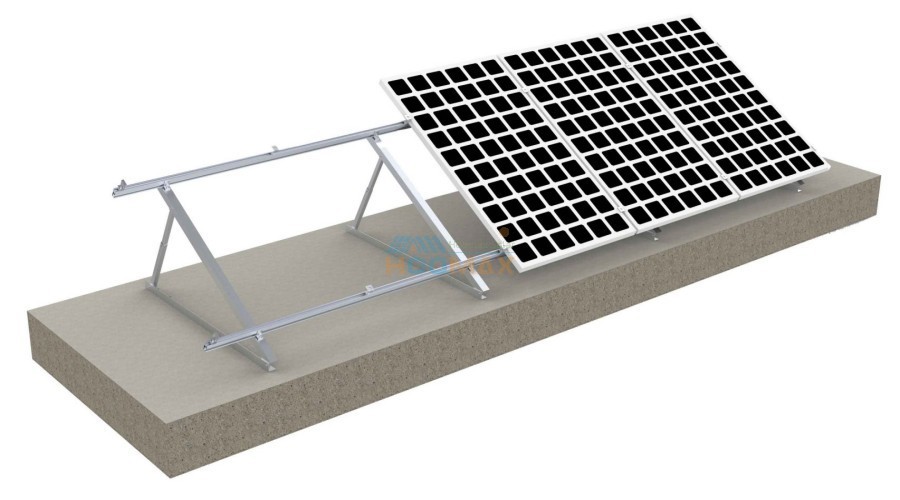
5. Racking Systems
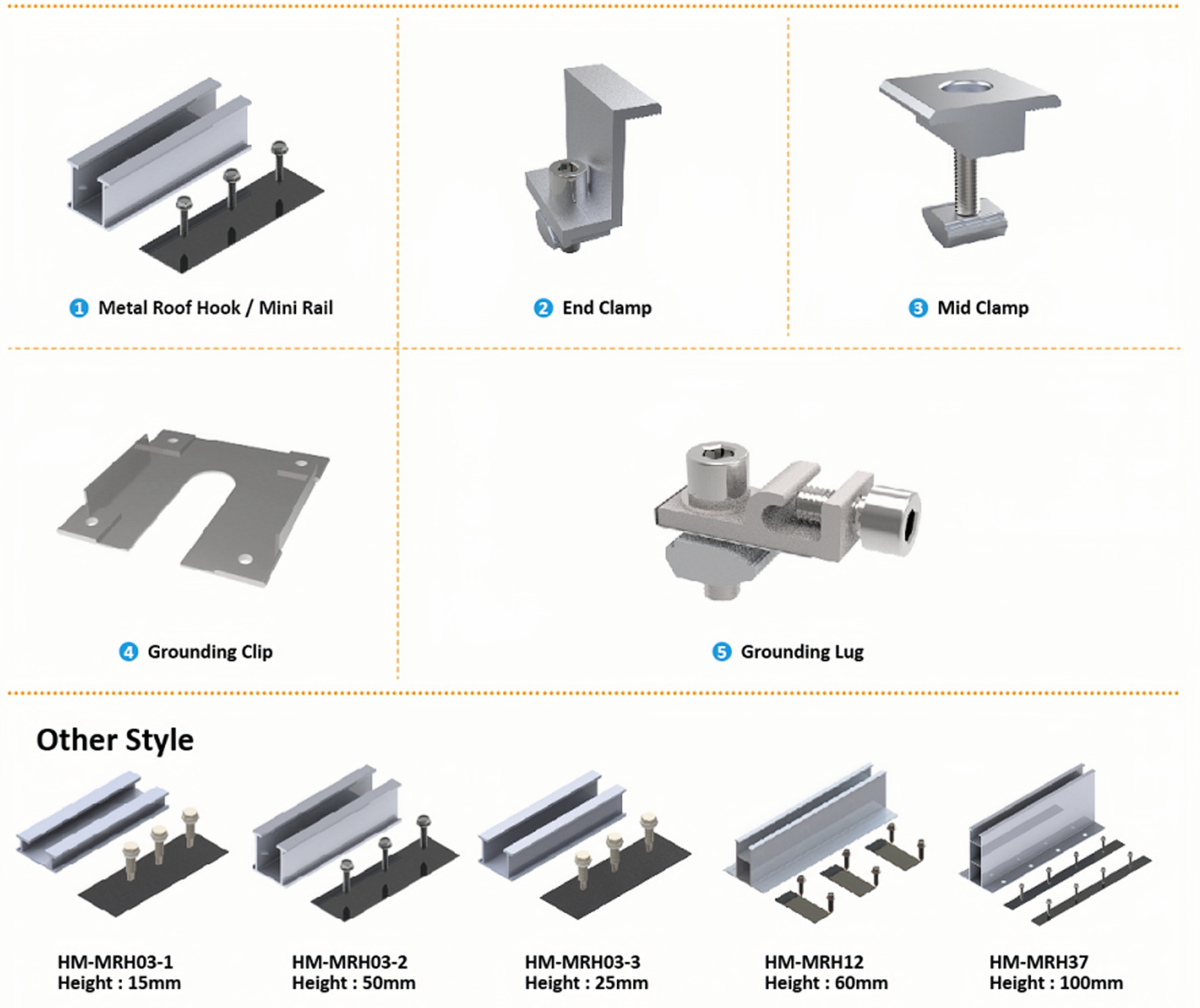
Racking systems are essential for mounting solar panels securely on rooftops or on the ground. They must withstand various weather conditions and ensure proper panel orientation for maximum sun exposure. When choosing a racking system, factors such as material quality, installation ease, and adaptability to different surfaces should be considered.
6. Cables and Connectors
Quality cables and connectors are vital for ensuring the safe and efficient transfer of electricity between components. Using the correct gauge of wire can reduce energy loss and improve system performance. Additionally, proper connectors will ensure secure connections, minimizing the risk of electrical failures.
7. Monitoring Systems
Monitoring systems allow users to track the performance of their solar energy systems in real-time. These systems provide insights into energy production, consumption patterns, and system health. Having a monitoring system can help you identify issues early, manage energy usage more effectively, and optimize your solar setup.
How to Choose the Right Solar Accessories
Selecting the right solar accessories involves considering several factors:
- Compatibility: Ensure that the accessories work seamlessly with your existing solar system components.
- Quality: Opt for reputable brands and products with positive reviews. Quality components often come with warranties, providing peace of mind.
- Efficiency: Look for accessories that enhance the overall efficiency of your solar system.
- Cost: While it's tempting to choose the cheapest option, investing in quality components can save you money in the long run through reduced maintenance costs and improved performance.
- Scalability: Consider the potential for future expansion of your solar system. Choose accessories that can accommodate growth as your energy needs change.
Maintaining Solar Accessories for Longevity
Proper maintenance of your solar accessories is essential for ensuring their longevity and optimal performance. Here are some tips for maintaining key components:
Solar Panels
Regularly inspect panels for dirt, debris, and shading from nearby trees. Cleaning them with water and a soft cloth can enhance their efficiency.
Inverters
Check inverter performance regularly, ensuring that it operates within the manufacturer’s specified range. Keep the unit clean and free from dust build-up.
Batteries
Monitor battery charge levels and perform regular checks for corrosion on battery terminals. Ensure proper ventilation and temperature management.
Charge Controllers
Keep charge controllers clean and check connections periodically to prevent corrosion and ensure optimal electrical flow.
Racking Systems
Inspect racking systems for signs of wear and tear, especially after severe weather. Tighten bolts and connections as needed to maintain stability.
Common Mistakes to Avoid When Selecting Solar Accessories
When choosing solar accessories, beginners often make several common mistakes:
- Neglecting Compatibility: Always ensure that accessories are compatible with existing components to prevent inefficiencies.
- Focusing Only on Price: More affordable options may compromise quality and efficiency. Prioritize value over cost.
- Ignoring Future Needs: Plan for potential system expansions to avoid having to replace components sooner than necessary.
- Overlooking Warranties: Warranty coverage is crucial for protecting your investment. Always check before purchasing.
Frequently Asked Questions (FAQs)
1. What are the most essential solar accessories for beginners?
The most essential solar accessories include solar panels, inverters, batteries, charge controllers, racking systems, cables, connectors, and monitoring systems.
2. How do I know which solar panels to choose?
When choosing solar panels, consider their efficiency, warranty, durability, and your specific energy needs. Look for reliable brands with a track record of performance.
3. Can I use any battery with my solar system?
No, it's important to choose a battery that is compatible with your solar system's voltage and energy storage requirements. Lithium-ion batteries are often recommended for most setups.
4. How often should I clean my solar panels?
It's advisable to clean solar panels every six months or more frequently if you live in a dusty area or if they are shaded by trees.
5. What maintenance do solar inverters require?
Solar inverters should be inspected regularly to ensure they are functioning properly. Dust should be cleaned off to prevent overheating, and performance should be monitored to catch any issues early.
Conclusion
Understanding solar accessories is essential for anyone looking to harness the power of solar energy effectively. By equipping yourself with quality components, you can significantly enhance your solar system's performance, efficiency, and longevity. This comprehensive guide has outlined the key accessories and considerations for beginners, empowering you to make informed choices as you embark on your solar journey. Whether it’s selecting the right solar panels, inverters, or monitoring systems, being proactive and knowledgeable will lead to a successful transition to renewable energy. Enjoy the benefits of sustainable energy and contribute to a greener planet!



Room 601,No.368,Quanyutong Business center,Xianhou She,Huli District,Xiamen,China
Copyright © 2025 Xiamen Hoomax Solar Technology CO., LTD. ALL Rights Reserve.