How Agrivoltaic Mounting Systems Enhance Energy Security for Farmers
Release time:
2026-03-26
Understanding Agrivoltaic Systems: A New Frontier in Energy Security Agrivoltaics—a term combining agriculture and photovoltaics—represents an innovative approach to sustainable farming and energy production. These systems integrate solar panels within agricultural landscapes, allowing farmers to harness renewable energy while continuing to cultivate their land. The growing adoption of agrivoltaic
Understanding Agrivoltaic Systems: A New Frontier in Energy Security
Agrivoltaics—a term combining agriculture and photovoltaics—represents an innovative approach to sustainable farming and energy production. These systems integrate solar panels within agricultural landscapes, allowing farmers to harness renewable energy while continuing to cultivate their land. The growing adoption of agrivoltaic mounting systems has become essential for enhancing energy security for farmers, making it a pertinent topic in today's agricultural dialogue.
The Importance of Energy Security in Agriculture
Energy security is crucial for farmers as it affects their operational costs, productivity, and overall sustainability. Traditional energy sources can be unreliable and expensive, leading to heightened vulnerability in agricultural practices. Agrivoltaic systems provide an alternative, offering a dual benefit: producing clean energy while optimizing land use.
How Agrivoltaic Systems Work
Agrivoltaic systems function by mounting solar panels above crops, utilizing the same land for both agriculture and solar energy production. This method allows sunlight to reach the crops below while generating electricity. The key components of these systems include:
1. **Solar Panels**: Photovoltaic panels that convert sunlight into electricity.
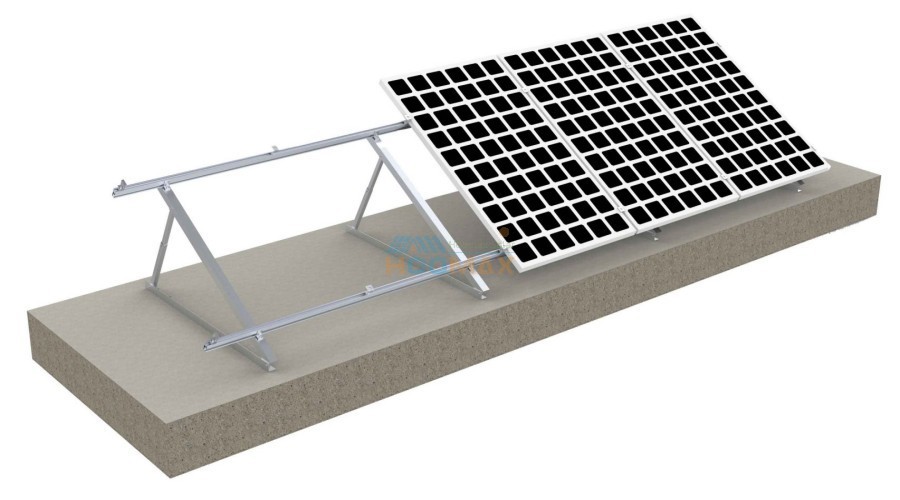
2. **Mounting Systems**: Structures designed to support solar panels at an optimal height and angle.
3. **Inverters**: Devices that convert the direct current (DC) generated by solar panels into alternating current (AC) for use or sale.
4. **Energy Storage Solutions**: Batteries that store excess energy for use during non-generating times.
The Benefits of Agrivoltaic Mounting Systems for Farmers
Adopting agrivoltaic systems provides numerous advantages beyond energy generation. Here are some key benefits:
1. **Increased Energy Independence**
By producing their own energy, farmers can significantly reduce dependence on external power sources. This translates to lower energy bills and enhanced resilience against fluctuating energy prices.
2. **Enhanced Crop Yields**
Research indicates that agrivoltaic systems can improve crop yields. The shade provided by solar panels can mitigate heat stress during peak sunlight hours, creating a more favorable microclimate for crops. Certain crops thrive in partial shade, allowing farmers to diversify their produce.
3. **Efficient Land Use**
With increasing land scarcity, agrivoltaic systems optimize land use by enabling the simultaneous production of food and energy. This dual-use strategy is particularly beneficial for farmers with limited acreage.
4. **Reduced Irrigation Needs**
The shade from solar panels can reduce soil evaporation rates, leading to lower irrigation requirements. This is especially advantageous in arid regions where water conservation is critical.
5. **Environmental Sustainability**
Agrivoltaic systems contribute to environmental sustainability by promoting renewable energy use and reducing greenhouse gas emissions. These systems support sustainable agricultural practices that benefit both the environment and the farmer's bottom line.
Implementation of Agrivoltaic Mounting Systems
While the benefits are compelling, the successful implementation of agrivoltaic systems requires careful planning and consideration. Here’s a step-by-step guide to getting started:
Step 1: Site Assessment
Conduct a thorough assessment of the land to determine the feasibility of installing agrivoltaic systems. Factors to consider include soil type, existing vegetation, and sunlight exposure.
Step 2: Selecting the Right Technology
Choose solar panel technology and mounting systems that suit the specific agricultural needs and local environmental conditions. Options include fixed tilt, single-axis tracking, and dual-axis tracking systems, each offering unique advantages.
Step 3: Designing the System
Design the agrivoltaic system with an emphasis on maximizing light exposure for crops while ensuring efficient energy production. Collaboration with specialists in solar energy and agriculture is beneficial during this phase.
Step 4: Installation and Integration
Professional installation is crucial to ensure that agrivoltaic systems are safely and effectively integrated into existing farming operations. Training for farm personnel may be necessary to facilitate smooth operation.
Step 5: Monitoring and Maintenance
Regular monitoring and maintenance are vital to ensuring optimal performance. Implementing a management system can help track energy production, crop health, and overall system efficiency.
Challenges and Considerations in Agrivoltaic Systems
Despite the benefits, farmers may encounter challenges when integrating agrivoltaic systems:
1. Initial Capital Investment
The upfront costs for installing agrivoltaic systems can be significant, requiring careful financial planning and potential access to grants or subsidies.
2. Regulatory Hurdles
Navigating local regulations and zoning laws may pose obstacles. Farmers should engage with local authorities to ensure compliance and understand potential incentives.
3. Technical Expertise
Farmers may need to seek external expertise in solar technology and agronomy to successfully implement and manage these systems.
Case Studies: Successful Agrivoltaic Implementations
Examining real-world examples can provide valuable insights into the effectiveness of agrivoltaic systems:
Case Study 1: Vineyard Integration
A vineyard in California successfully installed agrivoltaic panels above grapevines. The system produced significant electricity while protecting grapes from excessive heat, resulting in higher quality wine production.
Case Study 2: Greenhouse Applications
A greenhouse operation in the Midwest integrated solar panels on the rooftop while maintaining optimal growing conditions inside. The energy generated powered heating systems, reducing overall energy costs.
Future Trends in Agrivoltaic Technology
Advancements in technology will continue to shape the future of agrivoltaic systems. Innovations such as improved panel efficiency, automated monitoring systems, and enhanced energy storage solutions are expected to increase their appeal and viability.
1. Smart Farming Integration
The integration of smart technology into agrivoltaic systems will enable farmers to monitor energy production, crop health, and environmental conditions in real time. This data-driven approach will optimize both agricultural and energy outcomes.
2. Policy Support and Incentives
As governments increasingly prioritize renewable energy, financial incentives for agrivoltaic systems are expected to grow. This support will further encourage farmers to adopt sustainable practices.
Frequently Asked Questions (FAQs)
1. What crops are best suited for agrivoltaic systems?
Crops that prefer partial shade, such as leafy greens and certain fruits, tend to thrive under agrivoltaic systems. However, many crops can benefit from the microclimate created by the solar panels.
2. How do agrivoltaic systems affect soil health?
The shade provided by solar panels can improve soil moisture retention and reduce erosion, contributing positively to soil health and sustainability.
3. Are there financial incentives available for agrivoltaic installations?
Many regions offer grants, tax credits, and low-interest loans to promote renewable energy and sustainable agricultural practices. Farmers should research local programs.
4. Can traditional farming practices coexist with agrivoltaics?
Yes, agrivoltaics can complement traditional farming practices by enhancing productivity and sustainability without compromising crop cultivation.
5. What is the lifespan of agrivoltaic systems?
Most solar panels have a lifespan of 25 to 30 years, with proper maintenance ensuring continued efficiency and energy production throughout that period.
Conclusion
Agrivoltaic mounting systems represent a transformative solution for enhancing energy security among farmers. By integrating renewable energy into agricultural practices, these systems not only reduce dependence on traditional energy sources but also contribute to increased crop yields and improved sustainability. As technology advances and support for renewable energy grows, the adoption of agrivoltaics is set to increase, paving the way for a more resilient and environmentally friendly agricultural future. Farmers are encouraged to explore the potential of agrivoltaic systems to secure their energy needs and ensure the success of their operations in an ever-changing landscape.



Room 601,No.368,Quanyutong Business center,Xianhou She,Huli District,Xiamen,China
Copyright © 2025 Xiamen Hoomax Solar Technology CO., LTD. ALL Rights Reserve.