Why Solar Ground Mounting Systems are Essential for Sustainable Energy
Release time:
2026-03-24
Why Solar Ground Mounting Systems are Essential for Sustainable Energy Table of Contents 1. Introduction to Solar Ground Mounting Systems 2. Benefits of Solar Ground Mounting Systems 2.1 Increased Efficiency and Performance 2.2 Optimizing Land Use 2.3 Enhanced Durability and Longevity 3. Installation Process of Solar Ground Mountin
Why Solar Ground Mounting Systems are Essential for Sustainable Energy
Table of Contents
- 1. Introduction to Solar Ground Mounting Systems
- 2. Benefits of Solar Ground Mounting Systems
- 2.1 Increased Efficiency and Performance
- 2.2 Optimizing Land Use
- 2.3 Enhanced Durability and Longevity
- 3. Installation Process of Solar Ground Mounting Systems
- 4. Costs Associated with Ground Mounting Systems
- 5. Case Studies and Real-World Applications
- 6. The Future of Solar Ground Mounting Systems
- 7. Frequently Asked Questions
- 8. Conclusion
1. Introduction to Solar Ground Mounting Systems
Solar ground mounting systems play a crucial role in harnessing solar energy effectively and efficiently. These systems are designed to hold solar panels in fixed positions, usually elevated off the ground, optimizing their exposure to sunlight. Unlike roof-mounted systems, ground mounts offer greater flexibility in terms of placement, allowing for maximum sun exposure without obstructions such as trees or buildings. In this article, we explore why solar ground mounting systems are essential for sustainable energy solutions and how they contribute to a greener future.
2. Benefits of Solar Ground Mounting Systems
Investing in solar ground mounting systems comes with a myriad of advantages. Here, we delve into the primary benefits that make these systems a preferred choice for many renewable energy projects.
2.1 Increased Efficiency and Performance
One of the most significant benefits of solar ground mounting systems is their ability to enhance the efficiency and performance of solar panels. Ground-mounted systems can be installed at optimal angles to capture the maximum amount of sunlight throughout the day. This strategic positioning reduces shading issues that often occur with roof-mounted systems, leading to increased energy production. Additionally, ground mounts allow for easier maintenance and cleaning of solar panels, further enhancing their efficiency.
2.2 Optimizing Land Use
Solar ground mounting systems are particularly beneficial for large-scale solar farms, where optimizing land use is crucial. By using ground space effectively, these systems can be arranged to maximize solar energy production without interfering with agricultural activities. Implementing dual-use systems that allow solar panels to coexist with crops or livestock can lead to sustainable land management practices that benefit both energy production and agricultural output.
2.3 Enhanced Durability and Longevity
Ground-mounted solar panels tend to have a longer lifespan than roof-mounted systems due to their design and materials. The elevated position protects them from potential damage caused by falling debris, snow accumulation, or extreme weather conditions. Furthermore, the use of durable mounting materials ensures that the systems can withstand harsh environmental conditions, ultimately contributing to a more sustainable energy solution.
3. Installation Process of Solar Ground Mounting Systems
The installation of solar ground mounting systems involves several critical steps, each requiring careful planning and execution. Understanding this process can help ensure a successful solar energy project.
3.1 Site Selection and Assessment
Choosing the right site for solar ground mounts is essential for maximizing energy production. Factors such as soil type, drainage, and sunlight exposure must be evaluated. Conducting a thorough site assessment helps identify potential issues and ensures that the chosen location is suitable for mounting systems.
3.2 Types of Ground Mounts
There are several types of ground mounting systems, each designed for specific applications:
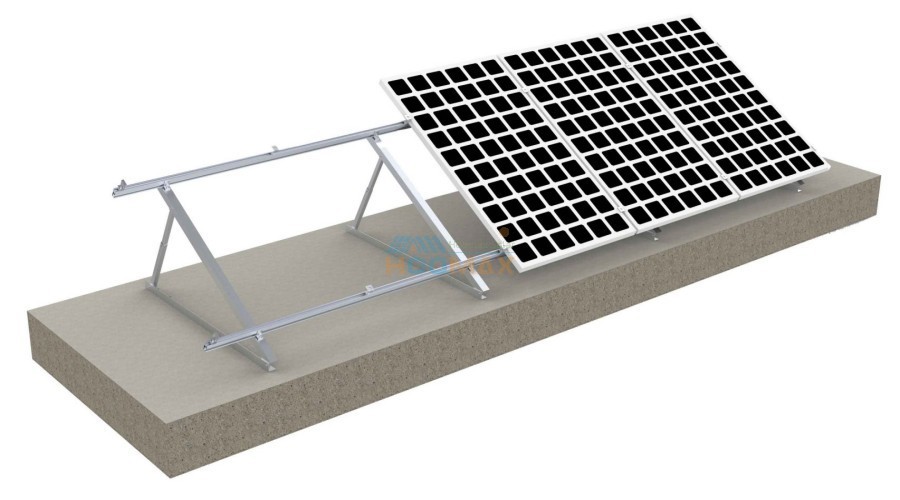
- **Fixed Ground Mounts**: These are stationary systems set at a specific angle to maximize sunlight exposure throughout the year. They are simple to install and typically less expensive.
- **Adjustable Ground Mounts**: These systems allow for angle adjustments, optimizing energy capture during different seasons.
- **Tracking Systems**: These advanced systems automatically adjust the position of solar panels throughout the day to follow the sun, significantly increasing energy output.
Choosing the right type of ground mount depends on factors such as budget, land availability, and energy goals.
3.3 Step-by-Step Installation
The installation of solar ground mounting systems generally follows these steps:
1. **Site Preparation**: Clear the area of debris and vegetation, ensuring a stable foundation.
2. **Foundation Installation**: Depending on the type of ground mount, install concrete footings or driven piles to secure the mounts.
3. **Mount Assembly**: Assemble the mounting structure according to the manufacturer’s instructions.
4. **Panel Installation**: Attach the solar panels to the mounting structure, ensuring they are securely fastened.
5. **Electrical Connections**: Connect the panels to the inverter and the electrical grid, following local regulations for safety and compliance.
6. **System Testing**: Conduct thorough testing to ensure that the system operates efficiently and safely.
4. Costs Associated with Ground Mounting Systems
Understanding the costs associated with solar ground mounting systems is vital for planning a solar energy project. The expenses can vary based on several factors, including:
- **Materials**: The cost of mounting hardware, solar panels, and electrical components can differ widely based on quality and supplier.
- **Labor**: Installation costs can vary depending on the complexity of the project and local labor rates.
- **Permits and Fees**: Local regulations may require permits, which can add to the overall cost.
Despite the initial investment, the long-term savings on energy bills and maintenance costs often justify the expenditure.
5. Case Studies and Real-World Applications
Real-world examples showcase the effectiveness of solar ground mounting systems in various environments.
**Case Study 1: Agricultural Dual-Use System**
A farm in California integrated solar ground mounts into their operation, allowing for crop production underneath solar panels. This dual-use approach not only generated renewable energy but also protected crops from extreme weather, demonstrating the synergy between agriculture and solar energy.
**Case Study 2: Utility-Scale Solar Farm**
A large-scale solar farm in Nevada utilized fixed ground mounts to optimize land use on arid terrain. The project significantly reduced the carbon footprint of the region while providing energy to thousands of homes, showcasing the potential of solar ground mounting systems in utility-scale applications.
6. The Future of Solar Ground Mounting Systems
As the demand for renewable energy grows, the future of solar ground mounting systems looks promising. Innovations in mounting technologies, such as more robust tracking systems and lightweight materials, are expected to enhance efficiency and reduce costs. Moreover, as land use becomes increasingly critical, we may see more projects that integrate solar energy with other land uses, fostering a sustainable approach to energy production.
7. Frequently Asked Questions
What are solar ground mounting systems?
Solar ground mounting systems are structures designed to support solar panels at a fixed or adjustable angle above the ground, optimizing their exposure to sunlight.
How do these systems improve energy efficiency?
By positioning solar panels at optimal angles and reducing shading from surrounding objects, ground mounting systems significantly enhance energy capture.
What types of ground mounts are available?
Common types include fixed mounts, adjustable mounts, and tracking systems, each serving different energy needs and budgets.
What are the installation costs for solar ground mounting systems?
Costs can vary widely based on materials, labor, and location but can be justified by long-term energy savings.
Can solar ground mounts be used in agricultural settings?
Yes, many farms utilize dual-use solar ground mounting systems, allowing for both energy production and agricultural practices simultaneously.
8. Conclusion
Solar ground mounting systems are essential components of sustainable energy solutions. Their ability to increase efficiency, optimize land use, and ensure durability makes them a preferred choice for both residential and commercial solar projects. As advancements in technology continue to emerge, the potential for solar ground mounting systems will only expand, paving the way for a greener, more sustainable future. Embracing solar energy through well-designed ground mounting systems not only benefits individual users but also contributes to the global effort against climate change. By investing in these systems, we take a significant step toward a sustainable energy landscape.



Room 601,No.368,Quanyutong Business center,Xianhou She,Huli District,Xiamen,China
Copyright © 2025 Xiamen Hoomax Solar Technology CO., LTD. ALL Rights Reserve.