The Science Behind Solar Panel Mounting Brackets and Energy Capture
Release time:
2026-03-22
The Science Behind Solar Panel Mounting Brackets and Energy Capture Solar energy has emerged as a cornerstone of renewable energy solutions, providing a cleaner alternative to fossil fuels. At the heart of efficient solar energy systems are solar panel mounting brackets, which play a crucial role in optimizing energy capture. In this article, we delve deep into the science behind these components,
The Science Behind Solar Panel Mounting Brackets and Energy Capture
Solar energy has emerged as a cornerstone of renewable energy solutions, providing a cleaner alternative to fossil fuels. At the heart of efficient solar energy systems are solar panel mounting brackets, which play a crucial role in optimizing energy capture. In this article, we delve deep into the science behind these components, examining their design, functionality, and impact on overall energy efficiency.
Understanding Solar Panel Mounting Brackets
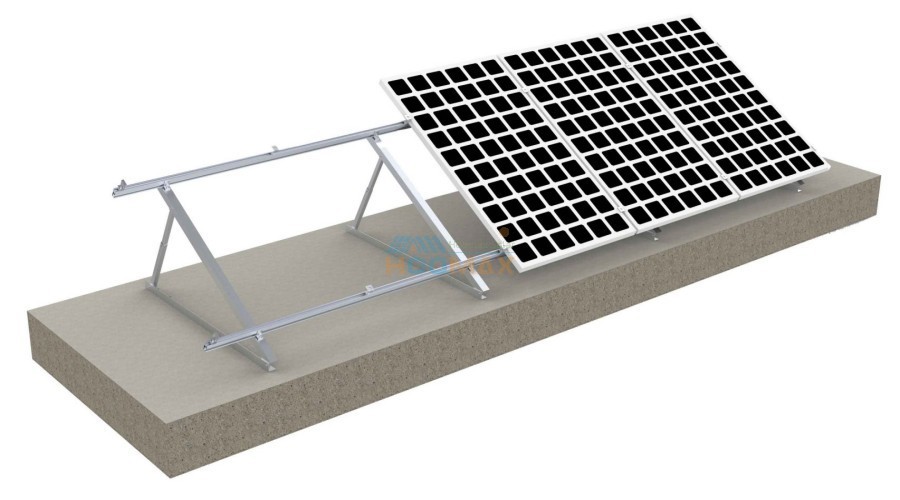
Solar panel mounting brackets are vital components that secure solar panels to various surfaces, such as roofs, ground mounts, or poles. These brackets ensure that panels are positioned at optimal angles to capture sunlight effectively.
The Different Types of Solar Panel Mounting Systems
Understanding the various types of mounting systems is crucial to grasp how they affect energy capture. The three primary types include:
1. **Fixed Mounts**: These brackets hold solar panels at a fixed angle and are the most common type used in residential installations.
2. **Adjustable Mounts**: These allow for angle adjustments to optimize solar energy capture throughout the year.
3. **Tracking Mounts**: These advanced systems follow the sun’s path, maximizing exposure and energy capture.
Material Composition of Solar Panel Mounting Brackets
The materials used in manufacturing mounting brackets significantly influence durability and performance. Common materials include:
- **Aluminum**: Lightweight and resistant to corrosion, aluminum brackets are popular for their longevity.
- **Steel**: Offering strength and stability, steel brackets can support heavier panels but may require protective coatings to prevent rust.
- **Plastic**: Often used in residential applications, plastic brackets are lightweight but may not offer the same durability as metal options.
How Mounting Brackets Affect Solar Panel Efficiency
The efficiency of solar panels is heavily influenced by their orientation and angle of installation. Mounting brackets are designed to optimize these factors, ensuring maximum energy capture.
Optimal Angling for Maximum Exposure
Positioning solar panels at the correct angle is crucial. The optimal tilt varies based on geographical location.
- **Latitude Considerations**: In general, the optimal angle for fixed mounts is equal to the latitude of the installation site.
- **Seasonal Adjustments**: For adjustable mounts, changing the angle seasonally can enhance performance, capturing more sunlight during winter months when the sun is lower in the sky.
Sunlight Intensity and Solar Panel Orientation
The orientation of solar panels significantly impacts the quantity of sunlight they receive.
- **South-Facing Panels**: In the Northern Hemisphere, south-facing panels capture the most sunlight.
- **East and West Orientation**: While not as efficient as south-facing installations, east and west orientations can still provide significant energy capture, especially in areas with high energy demands in the morning or evening.
The Role of Solar Panel Mounting in System Longevity
In addition to enhancing energy capture, mounting brackets contribute to the overall longevity of solar panel systems. Proper installation reduces potential damage from environmental factors.
Weather Resistance and Durability
Solar panel systems are constantly exposed to the elements. Quality mounting brackets protect panels from wind, rain, and snow.
- **Wind Resistance**: Strong and well-designed brackets can withstand high wind speeds, preventing panels from being dislodged or damaged.
- **Snow Load**: In regions with heavy snowfall, brackets must support the weight of accumulated snow without compromising the panels’ performance.
Maintenance Considerations
Effective maintenance of solar panel systems includes inspecting mounting brackets regularly.
- **Corrosion Checks**: For metal brackets, checking for rust or corrosion is essential, especially in coastal areas where salt air can accelerate deterioration.
- **Structural Integrity**: Ensuring that brackets remain firmly secured prevents misalignments that can lead to decreased efficiency.
Innovations in Solar Panel Mounting Technology
The advancements in solar technology extend to mounting systems, with innovative designs enhancing energy efficiency and ease of installation.
Smart Mounting Solutions
Emerging technologies are introducing smart mounting solutions that integrate with solar panel systems.
- **Automated Tracking Systems**: These systems adjust the angle of solar panels in real-time based on sunlight intensity, further optimizing energy capture.
- **Integrated Monitoring Systems**: Some mounting brackets now come with built-in monitoring capabilities to track performance and detect issues promptly.
Lightweight and Sustainable Materials
Sustainability in solar energy is critical, and the choice of materials for mounting brackets reflects this trend.
- **Recycled Materials**: Increasingly, manufacturers are utilizing recycled materials in the production of mounting systems, reducing the carbon footprint.
- **Biodegradable Options**: Emerging biodegradable materials offer a sustainable alternative for certain applications, aligning with the overall goals of renewable energy.
Case Studies: Successful Solar Panel Installations
Examining real-world applications of solar panel mounting brackets provides insight into their effectiveness.
Residential Installations
A growing number of homeowners are investing in solar panel systems with fixed or adjustable mounts, leading to significant energy savings.
- **Case Study: A Family Home**: By installing south-facing, fixed solar panels, a family reduced their electricity bills by 50%, demonstrating the impact of proper mounting techniques.
Commercial Installations
Businesses are increasingly adopting solar energy solutions, often utilizing tracking mounts to optimize energy capture.
- **Case Study: An Industrial Facility**: A large manufacturing plant implemented a tracking mount system, resulting in a 30% increase in energy output compared to traditional fixed mounts.
Frequently Asked Questions (FAQs)
1. What are the primary benefits of using adjustable solar panel mounting brackets?
Adjustable brackets allow for seasonal angle adjustments, maximizing energy capture throughout the year.
2. How do I choose the right mounting bracket for my solar panels?
Consider factors such as the type of installation (roof or ground), material durability, and geographical location.
3. Can solar panel mounting brackets withstand extreme weather conditions?
Yes, high-quality mounting brackets are designed to endure various weather conditions, including strong winds and heavy snow.
4. How often should I inspect my solar panel mounting brackets?
It is advisable to inspect them at least twice a year to ensure they are in good condition and securely fastened.
5. What advancements can we expect in solar panel mounting technology?
Future advancements may include more efficient tracking systems, automated adjustments, and sustainable materials for mounting brackets.
Conclusion
In conclusion, solar panel mounting brackets are much more than simple supports; they are integral components that significantly enhance energy capture and efficiency. By understanding the science behind these mounting systems, one can appreciate their role in optimizing solar panel performance and contributing to a sustainable future. Investing in quality mounting brackets ensures that solar energy systems not only generate maximum power but also stand the test of time against environmental challenges. As technology continues to evolve, the future of solar panel mounting will undoubtedly bring even more innovative solutions to enhance energy capture.



Room 601,No.368,Quanyutong Business center,Xianhou She,Huli District,Xiamen,China
Copyright © 2025 Xiamen Hoomax Solar Technology CO., LTD. ALL Rights Reserve.