Agrivoltaic Mounting Systems: A Sustainable Blueprint for Energy Production
Release time:
2026-03-16
Agrivoltaic Mounting Systems: A Sustainable Blueprint for Energy Production Table of Contents 1. Introduction to Agrivoltaic Systems 2. Understanding Agrivoltaics: Definition and Overview 3. The Benefits of Agrivoltaic Mounting Systems 3.1 Enhancing Land Use Efficiency 3.2 Boosting Crop Yields 3.3 Renewable Energy Generation 3.4 Economic Advantages for Farmers 4. Key Components of Agrivoltaic Syst
Agrivoltaic Mounting Systems: A Sustainable Blueprint for Energy Production
Table of Contents
1. Introduction to Agrivoltaic Systems
2. Understanding Agrivoltaics: Definition and Overview
3. The Benefits of Agrivoltaic Mounting Systems
3.1 Enhancing Land Use Efficiency
3.2 Boosting Crop Yields
3.3 Renewable Energy Generation
3.4 Economic Advantages for Farmers
4. Key Components of Agrivoltaic Systems
4.1 Solar Panels and Mounting Structures
4.2 Energy Storage Solutions
4.3 Smart Agriculture Technology
5. Installation of Agrivoltaic Mounting Systems
5.1 Site Assessment and Planning
5.2 Design Considerations
5.3 Maintenance Requirements
6. Case Studies of Successful Agrivoltaic Installations
7. Challenges and Solutions in Agrivoltaic Systems
8. Future Trends and Innovations in Agrivoltaics
9. Frequently Asked Questions (FAQs)
10. Conclusion
1. Introduction to Agrivoltaic Systems
Agrivoltaic systems represent a pioneering solution to two pressing global challenges: the need for sustainable agriculture and the growing demand for renewable energy. By combining agricultural practices with solar energy production, agrivoltaics enhance land use efficiency while promoting environmental sustainability. This article offers an in-depth analysis of agrivoltaic mounting systems, exploring their benefits, components, installation processes, and potential challenges.
2. Understanding Agrivoltaics: Definition and Overview
Agrivoltaics refers to the simultaneous use of land for both agriculture and solar energy generation. This innovative approach allows farmers to cultivate crops while harnessing solar power, effectively creating a dual-use environment. Typically, agrivoltaic systems consist of solar panels mounted on structures that allow for the growth of crops or grazing of livestock beneath them. This unique synergy not only maximizes land productivity but also contributes to a more resilient food supply chain.
3. The Benefits of Agrivoltaic Mounting Systems
3.1 Enhancing Land Use Efficiency
Agrivoltaic systems optimize land use by allowing for the dual exploitation of resources. With the global population increasing and urban development encroaching on arable land, utilizing existing agricultural spaces for energy production is increasingly critical. Agrivoltaics can help address these concerns while maintaining agricultural output.
3.2 Boosting Crop Yields
Studies have shown that the shade provided by solar panels can create a microclimate conducive to crop growth. Certain crops benefit from reduced heat stress and improved water retention, resulting in higher yields. Moreover, the installation of agrivoltaic systems can protect crops from extreme weather events, further enhancing agricultural resilience.
3.3 Renewable Energy Generation
Agrivoltaic systems contribute significantly to renewable energy production. By harnessing solar energy, these systems reduce dependency on fossil fuels, minimizing carbon emissions and promoting a cleaner environment. The energy generated can be used to power agricultural operations, reducing operational costs for farmers.
3.4 Economic Advantages for Farmers
Farmers can benefit financially from agrivoltaic systems in multiple ways. First, they can generate additional revenue by selling excess electricity back to the grid. Second, lower energy costs can enhance the profitability of farming operations. Finally, diversified income streams can provide a safety net during periods of crop failure or market fluctuations.
4. Key Components of Agrivoltaic Systems
Understanding the essential components of agrivoltaic systems is crucial for successful implementation. The following elements play a significant role in the functionality and efficiency of these setups.
4.1 Solar Panels and Mounting Structures
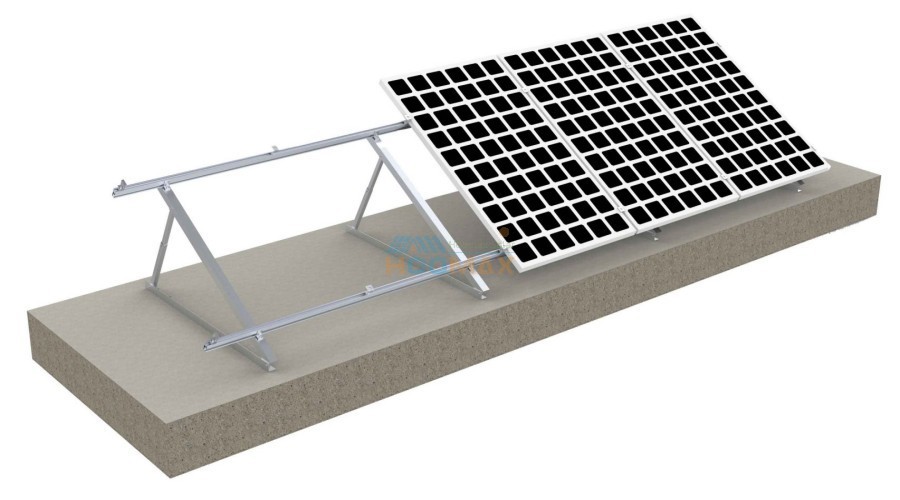
The choice of solar panels and mounting structures directly impacts the efficiency of the agrivoltaic system. Panels must be selected based on their energy output, durability, and compatibility with specific crops. Mounting structures should be adjustable to optimize sunlight exposure while ensuring that they do not obstruct agricultural activities.
4.2 Energy Storage Solutions
Energy storage systems are essential for maximizing the benefits of agrivoltaic systems. By storing excess solar energy, farmers can use it during periods of low sunlight, ensuring a continuous power supply for their operations. Battery technology continues to evolve, presenting opportunities for improved energy management.
4.3 Smart Agriculture Technology
Integrating smart agriculture technology, such as IoT sensors and precision farming tools, can enhance the efficiency of agrivoltaic systems. These technologies allow farmers to monitor soil moisture, crop health, and energy production in real-time, enabling informed decision-making and optimized resource use.
5. Installation of Agrivoltaic Mounting Systems
The installation of agrivoltaic mounting systems involves several critical steps, each requiring careful planning and execution.
5.1 Site Assessment and Planning
Before installation, a thorough site assessment is necessary to evaluate land suitability, solar exposure, and soil conditions. Understanding the local climate, crop types, and land use regulations is crucial for developing an effective agrivoltaic system.
5.2 Design Considerations
Designing an agrivoltaic system entails choosing appropriate solar panel configurations, mounting types, and layout designs. Factors such as panel orientation, height, and spacing should be assessed to ensure that both energy production and agricultural activities are optimized.
5.3 Maintenance Requirements
Regular maintenance of agrivoltaic systems is essential for sustaining their efficiency. Routine inspections, cleaning of solar panels, and monitoring of plant health are necessary to ensure optimal operation. Implementing a maintenance schedule can prevent costly downtimes and ensure consistent energy production.
6. Case Studies of Successful Agrivoltaic Installations
Several successful agrivoltaic projects worldwide demonstrate the effectiveness of this technology. For instance, a pioneering installation in Japan showcased how rice paddies and solar panels could coexist, leading to increased rice yields and significant energy production. Another case in the United States illustrated how solar grazing, wherein livestock grazes beneath solar arrays, provided dual benefits for energy generation and livestock management.
7. Challenges and Solutions in Agrivoltaic Systems
Despite the numerous benefits of agrivoltaic systems, challenges exist. Technical difficulties, such as ensuring optimal compatibility between crops and solar installations, can hinder implementation. Regulatory hurdles may also pose obstacles. Collaborating with agricultural experts, policymakers, and technology providers can help address these challenges and promote successful agrivoltaic projects.
8. Future Trends and Innovations in Agrivoltaics
As technology continues to advance, the future of agrivoltaics looks promising. Innovations in solar technology, such as bifacial panels and transparent solar cells, could enhance energy efficiency without compromising agricultural productivity. Moreover, the integration of AI and machine learning in agrivoltaics will likely lead to smarter resource management and optimized crop yields.
9. Frequently Asked Questions (FAQs)
1. What are agrivoltaic systems?
Agrivoltaic systems utilize land for both agriculture and solar energy generation, allowing farmers to cultivate crops while harnessing solar power.
2. How do agrivoltaic systems benefit farmers?
Farmers can enjoy increased crop yields, reduced energy costs, and new revenue streams through energy sales while maintaining their agricultural practices.
3. What crops are suitable for agrivoltaic systems?
Many crops benefit from the shade provided by solar panels. Common choices include leafy greens, herbs, and certain fruits, as they thrive in partial shade.
4. Can agrivoltaic systems be installed on existing farms?
Yes, agrivoltaic systems can be integrated into existing farms with proper planning and site assessment, optimizing land use without displacing traditional farming activities.
5. What are the environmental benefits of agrivoltaics?
Agrivoltaics promote sustainable land use, reduce carbon emissions, and enhance biodiversity by providing habitats for various species.
10. Conclusion
Agrivoltaic mounting systems serve as a sustainable blueprint for energy production, merging the worlds of agriculture and renewable energy in a harmonious and innovative way. By offering numerous benefits—from enhancing land use efficiency to providing economic advantages for farmers—agrivoltaics present a viable solution to some of the most pressing challenges in our quest for sustainability. As technology continues to evolve and more successful systems emerge, the future of agrivoltaics looks bright, paving the way for a greener planet and a more resilient agricultural industry.




Room 601,No.368,Quanyutong Business center,Xianhou She,Huli District,Xiamen,China
Copyright © 2025 Xiamen Hoomax Solar Technology CO., LTD. ALL Rights Reserve.