Key Features to Look for in a Solar Ground Mounting System
Release time:
2026-03-14
Key Features to Look for in a Solar Ground Mounting System Introduction to Solar Ground Mounting Systems Solar ground mounting systems are integral to harnessing solar energy efficiently. Unlike rooftop systems, ground mounts provide more flexibility in terms of positioning and angle, maximizing sunlight exposure. In this article, we will explore the **key features** to consider when selecting a s
Key Features to Look for in a Solar Ground Mounting System
Introduction to Solar Ground Mounting Systems
Solar ground mounting systems are integral to harnessing solar energy efficiently. Unlike rooftop systems, ground mounts provide more flexibility in terms of positioning and angle, maximizing sunlight exposure. In this article, we will explore the **key features** to consider when selecting a solar ground mounting system, ensuring it meets your specific needs and optimizes solar panel performance.
Understanding the Importance of a Reliable Ground Mounting System
A well-designed solar ground mounting system not only supports the solar panels but also ensures their **longevity and efficiency**. The following sections will outline the essential characteristics of a robust mounting system that withstands various environmental conditions.
1. Material Quality
The primary materials used in ground mounting systems significantly impact durability and longevity. Look for systems made from **galvanized steel or aluminum**. These metals resist corrosion and weather-related wear, ensuring your investment lasts for years.
2. Structural Integrity and Design
The design of the mounting system plays a crucial role in its stability. A **well-engineered structure** will withstand high winds and heavy snow loads. Systems should be tested for structural integrity in extreme weather conditions, ensuring they can support solar panels without shifting or collapsing.
2.1 Wind and Snow Load Ratings
Understanding the local environmental conditions is essential. Check the wind load and snow load ratings of the mounting system. This information helps ensure that your ground mounts can bear the load during adverse weather, preventing damage and maximizing efficiency.
3. Adjustable Angles and Orientation
To optimize energy capture, ground mounting systems should offer **adjustability**. Select systems that allow for angle adjustments based on seasonal changes and specific site conditions. This feature enhances solar panel efficiency by ensuring that panels are always positioned at the best angle relative to the sun.
3.1 South-Facing Orientation
For maximum energy production, ground mounts should ideally face south in the Northern Hemisphere. Adjustable mounts facilitate this orientation, ensuring that panels receive the maximum amount of sunlight throughout the day.
4. Ease of Installation
Consider the installation process of the ground mounting system you choose. An easy-to-install system saves time and labor costs. Look for systems that come with comprehensive **installation manuals** and support.
4.1 Pre-assembled Components
Pre-assembled components can significantly reduce installation time. Systems that feature fewer parts and simpler designs often result in quicker setup, allowing you to start generating solar energy sooner.
5. Compatibility with Solar Panels
Ensure that the ground mounting system is compatible with the solar panels you intend to use. Different panels come in various sizes and weights, so a compatible mounting system is crucial for maintaining optimal performance and structural integrity.
5.1 Universal Mounting Systems
Some mounting systems are designed to be compatible with a wide range of solar panel brands and sizes. These universal systems provide flexibility and allow for future upgrades without needing to replace the entire mounting setup.
6. Cost-Effectiveness and Warranty
While it may be tempting to opt for the cheapest option, consider the **long-term value** and warranty offered. A higher initial investment in a durable mounting system can lead to lower maintenance costs and better performance over time. Look for systems with warranties that extend beyond ten years, ensuring your investment is protected.
6.1 Return on Investment (ROI)
Evaluating the potential ROI is crucial. A well-designed mounting system contributes to increased energy production, leading to greater savings on energy bills and a faster payback period for your solar investment.
7. Ground Mounting System Types
There are various types of solar ground mounting systems available on the market. Understanding these types can help you make an informed decision that suits your specific needs.
7.1 Fixed Ground Mounts
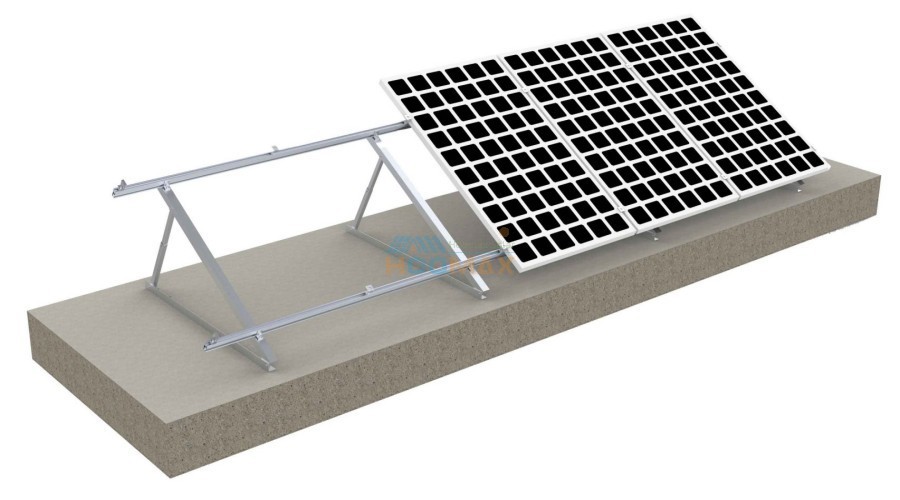
Fixed ground mounts are stationary systems that maintain a consistent angle. They are generally easier and less expensive to install, making them ideal for residential installations where site conditions are stable.
7.2 Adjustable Ground Mounts
Adjustable mounts allow users to change the angle of the solar panels throughout the year. These systems are designed for maximum energy capture and can be a good option if you live in areas with significant seasonal variations in sunlight.
7.3 Tracking Systems
Tracking systems automatically adjust the position of solar panels to follow the sun’s trajectory. While these systems tend to be more expensive, they can significantly increase energy production, making them an excellent option for large-scale solar projects.
8. Maintenance and Durability
A solar ground mounting system should require minimal maintenance to ensure longevity. Systems made from high-quality materials will resist wear and tear, but regular inspections are still necessary.
8.1 Inspecting for Wear and Damage
Regularly inspect your ground mounts for signs of corrosion, loose fittings, or other potential issues. Addressing these problems early can prevent more extensive damage and ensure the system continues to perform optimally.
8.2 Cleaning and Care
While ground mounts typically do not require as much cleaning as solar panels, keeping the area around them clear of debris can help maintain efficiency. Ensure that grass or weeds do not obstruct sunlight exposure.
Conclusion
Selecting the right solar ground mounting system is essential for maximizing the efficiency and longevity of your solar energy system. By focusing on key features such as material quality, structural integrity, adjustability, and compatibility with solar panels, you can make an informed decision that suits your specific needs. A well-chosen ground mount not only enhances energy production but also protects your investment for years to come. Invest time in understanding these features, and you’ll ensure a successful solar energy experience.
Frequently Asked Questions (FAQs)
1. What is a solar ground mounting system?
A solar ground mounting system is a structure designed to hold solar panels in place on the ground, maximizing sun exposure and energy collection.
2. How do I choose the right ground mounting system for my solar panels?
Consider factors such as material quality, structural integrity, adjustability, and compatibility with your solar panels when selecting a mounting system.
3. What are the benefits of adjustable ground mounts?
Adjustable ground mounts allow for optimal solar panel positioning throughout the year, enhancing energy production based on seasonal changes.
4. How do I maintain my solar ground mounting system?
Regularly inspect for signs of wear and damage, keep the area clear of debris, and ensure all fittings are secure to maintain performance.
5. Are tracking systems worth the investment?
While tracking systems can be more expensive, they significantly increase energy production, making them a worthwhile investment for larger solar projects.
By focusing on these key features, individuals can make well-informed decisions regarding solar ground mounting systems, paving the way for successful solar energy utilization.



Room 601,No.368,Quanyutong Business center,Xianhou She,Huli District,Xiamen,China
Copyright © 2025 Xiamen Hoomax Solar Technology CO., LTD. ALL Rights Reserve.