How to Choose Solar Panel Mounting Brackets for Extreme Weather Conditions
Release time:
2026-03-12
How to Choose Solar Panel Mounting Brackets for Extreme Weather Conditions Understanding the Importance of Solar Panel Mounting Brackets When it comes to harnessing the power of the sun through solar energy systems, the choice of solar panel mounting brackets is crucial. These brackets provide the necessary support to ensure your solar panels remain secure, especially in areas prone to extreme wea
How to Choose Solar Panel Mounting Brackets for Extreme Weather Conditions
Understanding the Importance of Solar Panel Mounting Brackets
When it comes to harnessing the power of the sun through solar energy systems, the choice of solar panel mounting brackets is crucial. These brackets provide the necessary support to ensure your solar panels remain secure, especially in areas prone to extreme weather conditions. The integrity of your solar energy system largely depends on the strength and reliability of these mounting solutions.
Factors to Consider When Selecting Solar Panel Mounting Brackets
1. Weather Resistance
In regions exposed to high winds, heavy snow, or intense rain, it is vital to choose mounting brackets that are designed for weather resistance. Look for materials that can withstand moisture and corrosion, such as aluminum or stainless steel.
2. Weight Capacity
The weight of your solar panels should dictate the type of mounting brackets you choose. Each bracket has a specific weight limit, and exceeding this can result in failure. Ensure that the brackets you select can support the combined weight of your panels along with potential snow or debris accumulation.
3. Mounting Style
There are several mounting styles available, including fixed, adjustable, and tracking mounts. In extreme weather conditions, fixed mounts can be beneficial because they tend to be more stable. Adjustable mounts offer versatility, allowing for optimal angle adjustments based on seasonal sun positioning.
4. Installation Environment
Consider the location of your installation. Roof-mounted systems may require different brackets than ground-mounted systems. For roofs, ensure that the brackets are compatible with the roofing material and structure. For ground-mounted systems, the brackets must be suitable for the terrain.
Types of Solar Panel Mounting Brackets
1. Fixed Mounts
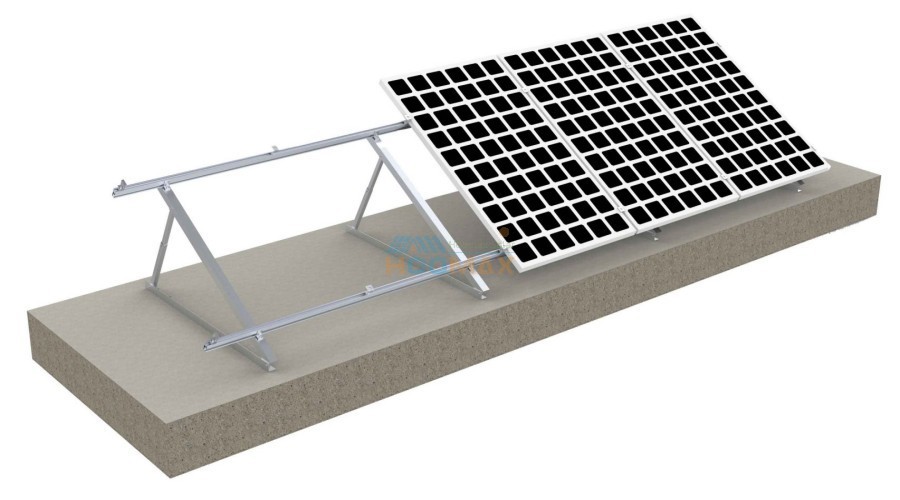
Fixed mounts are the most common type of solar panel mounting brackets. They are set at a specific angle and remain fixed in place. These brackets are generally robust and provide excellent stability in harsh weather conditions.
2. Adjustable Mounts
Adjustable mounts allow for modifications to the angle of the solar panels. This feature can maximize solar exposure throughout the year but may require additional safety measures in extreme weather.
3. Tracking Mounts
These mounts follow the sun's movement across the sky, optimizing energy collection. However, due to their complexity and moving parts, they may not be the best option for areas with severe weather, where stability is paramount.
Material Choices for Solar Panel Mounting Brackets
1. Aluminum
Aluminum is lightweight, resistant to corrosion, and offers adequate strength for various applications. Its non-corrosive properties make it an excellent choice for coastal areas or regions with high humidity.
2. Stainless Steel
Stainless steel brackets are robust and highly durable, making them suitable for extreme weather. They can withstand heavy loads and resist rust, ensuring longevity.
3. Galvanized Steel
Galvanized steel is treated to resist corrosion and can endure significant weight. It is often used in commercial solar installations due to its strength and durability.
4. Composite Materials
Emerging materials such as reinforced polymers are becoming popular for mounting brackets due to their lightweight and corrosion-resistant properties. While they may not yet be as widely available, they offer an innovative alternative for future installations.
Installation Tips for Solar Panel Mounting Brackets
1. Professional Installation
Hiring a professional can ensure that the mounting brackets are installed correctly, which is critical for performance and safety during extreme weather. Professionals possess the experience and tools necessary for a secure installation.
2. Proper Alignment
Ensure that the brackets are correctly aligned to avoid uneven weight distribution. This will help prevent damage from wind or snow load.
3. Secure Fastening
Use high-quality, weather-resistant fasteners to secure the brackets. Regular maintenance checks can help identify any loosening caused by extreme weather.
Maintaining Solar Panel Mounting Brackets
Regular maintenance is essential for ensuring the longevity and effectiveness of solar panel mounting systems, especially in harsh climates.
1. Routine Inspections
Conduct inspections at least biannually. Look for signs of corrosion, loose bolts, or any damage that may have occurred due to weather conditions.
2. Clean Regularly
Dirt and debris can accumulate on solar panels and brackets, obstructing sunlight and potentially causing damage. Regular cleaning helps maintain efficiency.
3. Reapply Protective Coatings
If your mounting brackets have protective coatings, ensure they are reapplied as necessary to maintain corrosion resistance.
Common Challenges with Solar Panel Mounting in Extreme Weather
1. Wind Damage
High winds can dislodge poorly secured solar panels, leading to damage. Choosing the right mounting brackets and ensuring they are installed correctly is vital for minimizing this risk.
2. Snow Accumulation
Heavy snowfall can add extra weight to solar panels. Select mounting brackets that can handle the additional load and consider adjusting the angle of the panels to encourage snow to slide off.
3. Rain and Moisture
Water can corrode metal parts over time. Choosing corrosion-resistant materials for mounting brackets is essential for longevity and performance.
FAQs About Choosing Solar Panel Mounting Brackets
1. What is the best material for solar panel mounting brackets in extreme weather?
Aluminum and stainless steel are often recommended due to their corrosion resistance and durability.
2. How do I know the weight capacity of a mounting bracket?
Each mounting bracket will have a specified weight capacity listed by the manufacturer. Always consult these specifications before purchasing.
3. Can I install solar panel brackets myself?
While DIY installation is possible, hiring a professional is recommended for optimal safety and performance, particularly in extreme weather areas.
4. What factors affect the stability of solar panel mounts during storms?
Factors include the quality of the brackets, the installation technique, and the angle of the panels.
5. How often should I inspect solar panel mounting brackets?
It is advisable to inspect them at least twice a year or after severe weather events to ensure they remain secure and functional.
Conclusion
Choosing the right solar panel mounting brackets for extreme weather conditions is essential for the safety and efficiency of your solar energy system. By understanding the factors that influence bracket selection, such as material choice, weight capacity, and environmental considerations, you can make an informed decision that ensures your solar panels withstand whatever nature throws at them. Remember to prioritize quality, conduct regular maintenance, and consult with professionals when necessary to maximize the longevity and performance of your solar panels. With the right mounting solutions, you can harness the sun's energy confidently and sustainably.



Room 601,No.368,Quanyutong Business center,Xianhou She,Huli District,Xiamen,China
Copyright © 2025 Xiamen Hoomax Solar Technology CO., LTD. ALL Rights Reserve.