Adjustable Tilt Solar Mounting Systems: A Key to Higher Solar Panel Output
Release time:
2026-03-10
Adjustable Tilt Solar Mounting Systems: A Key to Higher Solar Panel Output Table of Contents Introduction to Adjustable Tilt Solar Mounting Systems Benefits of Adjustable Tilt Solar Mounting Systems How Adjustable Tilt Solar Mounting Systems Work Installation Process of Adjustable Tilt Solar Mounting Systems Maintenance for Optimal Performance Costs Associated with Adjusta
Adjustable Tilt Solar Mounting Systems: A Key to Higher Solar Panel Output
Table of Contents
- Introduction to Adjustable Tilt Solar Mounting Systems
- Benefits of Adjustable Tilt Solar Mounting Systems
- How Adjustable Tilt Solar Mounting Systems Work
- Installation Process of Adjustable Tilt Solar Mounting Systems
- Maintenance for Optimal Performance
- Costs Associated with Adjustable Tilt Solar Mounting Systems
- Common Misconceptions About Solar Mounts
- FAQs About Adjustable Tilt Solar Mounting Systems
- Conclusion
Introduction to Adjustable Tilt Solar Mounting Systems
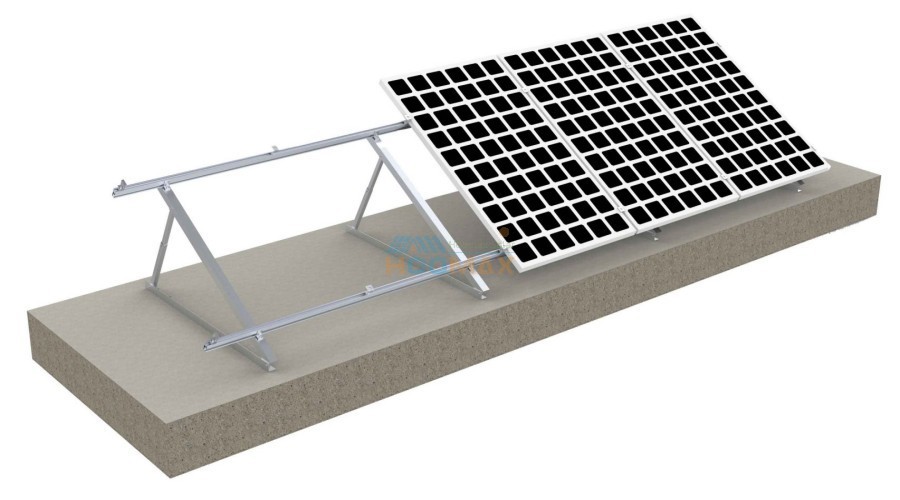
Adjustable tilt solar mounting systems are essential components of modern solar energy systems. They allow solar panels to be positioned at various angles to capture the sun’s rays more effectively throughout the day and across different seasons. The ability to adjust the angle of solar panels means that users can significantly increase their energy output and optimize the efficiency of their solar installations. In this article, we will delve into the intricacies of adjustable tilt solar mounting systems, examining their advantages, how they work, the installation process, and more.
Benefits of Adjustable Tilt Solar Mounting Systems
The talk around solar energy often highlights efficiency and cost-saving benefits. However, adjustable tilt solar mounting systems elevate these advantages to a new level. Here are some key benefits:
1. Increased Energy Efficiency
By adjusting the tilt of solar panels in response to seasonal changes, users can maximize the amount of sunlight captured. This increase in exposure leads to higher energy production, which can translate to reduced reliance on grid energy and lower electricity bills.
2. Enhanced Performance in Various Weather Conditions
Solar panels generally perform better when the sun is directly overhead. Adjustable tilt systems allow users to modify the angle based on weather conditions, optimizing performance during cloudy days or in winter months when the sun is lower in the sky.
3. Improved Longevity of Solar Equipment
Properly maintained and adjusted solar panels experience less stress and wear over time. By optimizing the tilt, users can ensure that their solar equipment functions efficiently, enhancing its lifespan and yielding a greater return on investment.
4. Flexibility for Different Applications
Adjustable tilt systems can be used in a variety of settings, from residential rooftops to commercial installations and ground-mounted systems. This adaptability makes them a popular choice across diverse applications.
How Adjustable Tilt Solar Mounting Systems Work
Understanding how adjustable tilt solar mounting systems function is crucial for any solar energy enthusiast. Here’s a breakdown of their operational mechanisms:
1. Tilt Mechanisms
Most adjustable tilt systems employ manual or automatic tilt mechanisms. Manual systems require users to adjust the angle manually based on the time of year or weather conditions. In contrast, automatic systems utilize motors and sensors to adjust the tilt based on real-time solar data.
2. Tracking Systems
Some advanced adjustable tilt systems incorporate solar tracking technology, which allows panels to follow the sun’s trajectory throughout the day. This technology can significantly boost energy capture compared to fixed systems.
3. Structural Components
The structural integrity of adjustable tilt solar mounting systems is paramount. They are typically designed with robust materials, such as aluminum or galvanized steel, to withstand various environmental conditions while maintaining stability.
Installation Process of Adjustable Tilt Solar Mounting Systems
Installing an adjustable tilt solar mounting system typically involves several steps:
1. Site Assessment
A thorough site assessment is crucial to determine the optimal location and angle for the solar panels. Factors like surrounding obstructions, sunlight exposure, and roof structure play significant roles.
2. Choosing the Right Mounting System
Selecting the appropriate adjustable tilt system is vital. Depending on the installation type (roof-mounted or ground-mounted), different systems may be more suitable.
3. Installation Steps
- **Preparation**: Gather all necessary tools and materials.
- **Frame Assembly**: Assemble the mounting frame based on manufacturer specifications.
- **Panel Installation**: Secure solar panels to the adjustable frame.
- **Electrical Connections**: Connect wiring from the panels to the inverter and battery storage, if applicable.
- **Final Adjustments**: Adjust the tilt angle according to the seasonal positioning of the sun.
Maintenance for Optimal Performance
To ensure the longevity and efficiency of adjustable tilt solar mounting systems, regular maintenance is essential:
1. Cleaning Solar Panels
Dust, debris, and bird droppings can accumulate on solar panels, obstructing sunlight. Regular cleaning can enhance performance significantly.
2. Inspecting Components
Routine inspections of the mounting system and mechanical components ensure smooth operation. Check for signs of wear, rust, or damage, particularly in moving parts.
3. Seasonal Adjustments
Adjusting the angle of the solar panels seasonally maximizes energy capture. Users should be proactive in making these adjustments to optimize output.
Costs Associated with Adjustable Tilt Solar Mounting Systems
Understanding the costs involved in adjustable tilt solar mounting systems is crucial for budgeting:
1. Initial Investment
The initial cost of adjustable tilt systems can vary widely based on materials, complexity, and installation specifics. Generally, they are more expensive than fixed systems due to their advanced features.
2. Operational Costs
While adjustable systems may have higher upfront costs, they often lead to greater long-term savings on energy bills, potentially offsetting the initial investment over time.
3. Maintenance Costs
Regular maintenance might incur minor costs, but the savings gained from increased energy production often outweigh these expenditures.
Common Misconceptions About Solar Mounts
A few misconceptions often cloud the discussions around adjustable tilt solar mounting systems:
1. Fixed Systems Are Just as Efficient
Many believe that fixed systems can perform just as well as adjustable ones. However, adjustable systems provide better performance through optimal sun exposure adjustments.
2. They Are Complicated to Use
While adjustable systems require some user involvement, many modern systems are designed for ease of use. Automatic systems further simplify the adjustment process.
FAQs About Adjustable Tilt Solar Mounting Systems
1. What is the primary advantage of adjustable tilt solar mounting systems?
The primary advantage is the ability to optimize the angle of solar panels to maximize sunlight exposure, thereby increasing energy output.
2. Are adjustable tilt systems more expensive than fixed mounts?
Yes, adjustable tilt mounts typically have a higher upfront cost due to their complexity and additional materials involved.
3. How often should I adjust the tilt of my solar panels?
Adjusting the tilt seasonally is recommended to maximize efficiency based on the sun's position throughout the year.
4. Can I install an adjustable tilt system myself?
While DIY installation is possible, we recommend hiring a professional to ensure proper setup and compliance with local regulations.
5. What maintenance do adjustable tilt systems require?
Regular cleaning of solar panels, inspections of mounting components, and seasonal adjustments are necessary for optimal performance.
Conclusion
Adjustable tilt solar mounting systems represent a pivotal advancement in solar technology, enabling users to harness the sun’s energy more effectively. By allowing for optimized panel angles, these systems significantly enhance energy production, leading to increased savings and sustainability. As solar energy continues to play a crucial role in our transition to renewable resources, embracing technologies like adjustable tilt systems becomes essential. Investing in such systems not only benefits individual users but also contributes to a broader effort towards a greener, more energy-efficient future.



Room 601,No.368,Quanyutong Business center,Xianhou She,Huli District,Xiamen,China
Copyright © 2025 Xiamen Hoomax Solar Technology CO., LTD. ALL Rights Reserve.