The Economic Implications of Agrivoltaic Mounting Systems on Rural Development
Release time:
2026-03-06
The Economic Implications of Agrivoltaic Mounting Systems on Rural Development Table of Contents 1. Introduction: Understanding Agrivoltaics 2. What Are Agrivoltaic Mounting Systems? 3. Economic Benefits of Agrivoltaic Systems for Rural Areas 4. Environmental Impact of Agrivoltaic Systems 5. Job Creation and Skill Development 6. Policy Support for Agrivoltaics 7. Chall
The Economic Implications of Agrivoltaic Mounting Systems on Rural Development
Table of Contents
- 1. Introduction: Understanding Agrivoltaics
- 2. What Are Agrivoltaic Mounting Systems?
- 3. Economic Benefits of Agrivoltaic Systems for Rural Areas
- 4. Environmental Impact of Agrivoltaic Systems
- 5. Job Creation and Skill Development
- 6. Policy Support for Agrivoltaics
- 7. Challenges Facing Agrivoltaic Systems
- 8. Successful Case Studies of Agrivoltaic Implementation
- 9. Conclusion: A Sustainable Future
- 10. FAQs
1. Introduction: Understanding Agrivoltaics
Agrivoltaics, a term that combines agriculture and photovoltaics, refers to the practice of using land for both solar energy production and agricultural activities. This innovative approach has the potential to transform rural development by creating synergies between energy generation and food production. As the world seeks sustainable solutions to combat climate change, agrivoltaic systems emerge as key players in enhancing rural economies while preserving vital agricultural lands.
2. What Are Agrivoltaic Mounting Systems?
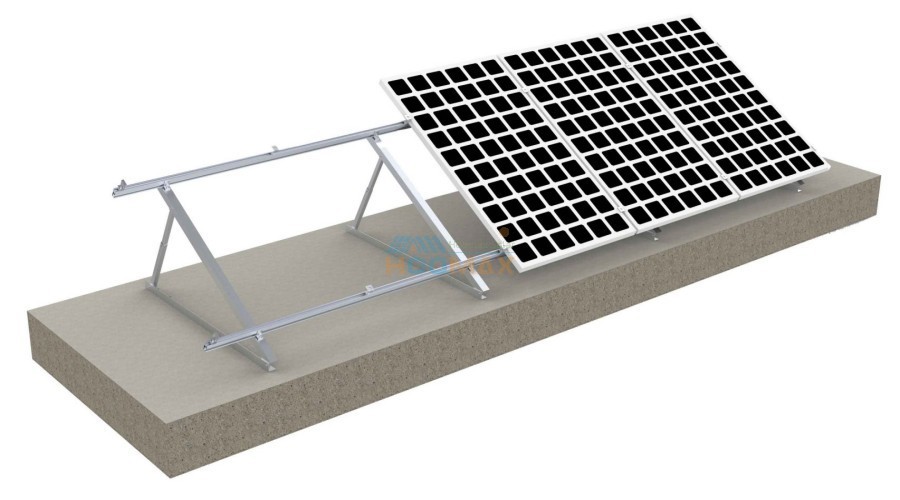
Agrivoltaic mounting systems are specialized structures designed to support solar panels while allowing crops to grow underneath. These systems are engineered to maximize sunlight exposure for both plants and solar panels, thus optimizing land use. By incorporating advanced technology, such as adjustable panel angles and tracking systems, agrivoltaics ensure that solar energy generation is efficient without compromising agricultural productivity.
2.1 Types of Agrivoltaic Systems
There are primarily two types of agrivoltaic systems:
- **Fixed Tilt Systems**: These systems have panels mounted at a fixed angle, allowing for stable crop growth beneath.
- **Tracking Systems**: Featuring panels that move with the sun's path, these systems maximize energy capture while adapting to changing weather conditions.
3. Economic Benefits of Agrivoltaic Systems for Rural Areas
The integration of agrivoltaic systems into rural landscapes can lead to remarkable economic advancements. Here are the key economic benefits:
3.1 Increased Revenue Streams for Farmers
Farmers can diversify their income by generating electricity in addition to harvesting crops. This dual-income model enhances financial stability, especially during challenging agricultural seasons.
3.2 Enhancing Land Use Efficiency
Agrivoltaic systems utilize land more effectively, allowing for agricultural production without sacrificing space for energy generation. This maximization of land use can significantly increase overall productivity.
3.3 Stimulating Local Economies
The implementation of agrivoltaic systems results in local job creation and boosts demand for related goods and services, from construction to maintenance of solar panels. Rural communities can experience economic revitalization through increased business activities.
3.4 Reducing Energy Costs
By producing their own renewable energy, farmers can reduce their dependence on external energy sources, leading to lower energy costs and increased profitability. This self-sufficiency can be crucial in times of fluctuating energy prices.
4. Environmental Impact of Agrivoltaic Systems
Agrivoltaic systems not only offer economic benefits but also contribute positively to the environment.
4.1 Mitigating Climate Change
By generating clean, renewable energy, agrivoltaic systems help reduce greenhouse gas emissions. This transition towards sustainable energy sources is critical in the fight against climate change.
4.2 Promoting Biodiversity
The combination of agricultural practices with solar energy production can enhance biodiversity. By carefully selecting compatible crops and maintaining natural habitats, agrivoltaic systems can support various species and promote ecological balance.
4.3 Soil Health Improvement
Strategically placed solar panels can create microclimates that support soil health, allowing for better water retention and reduced erosion. This creates a sustainable environment for crops to thrive.
5. Job Creation and Skill Development
The establishment of agrivoltaic systems necessitates a skilled workforce, leading to job creation across various sectors.
5.1 Employment Opportunities
From installation to maintenance, agrivoltaic systems require a diverse range of skill sets. Job opportunities can include roles in engineering, agricultural management, and solar technology maintenance.
5.2 Training and Education Programs
To ensure a proficient workforce, educational institutions can develop training programs specifically tailored to agrivoltaic technologies. This investment in human capital fosters innovation and sustainability in rural areas.
6. Policy Support for Agrivoltaics
Government policies play a crucial role in promoting agrivoltaic systems.
6.1 Financial Incentives
Subsidies, grants, and tax incentives for agrivoltaic projects can significantly lower initial investment costs, making it easier for farmers and rural communities to adopt these systems.
6.2 Regulatory Frameworks
Establishing clear guidelines and regulations for agrivoltaic systems can facilitate their implementation. Governments should work with stakeholders to create supportive policies that encourage sustainable practices.
7. Challenges Facing Agrivoltaic Systems
Despite the numerous benefits, agrivoltaic systems face challenges that need addressing.
7.1 Initial Investment Costs
The upfront costs for installing agrivoltaic systems can be a barrier for many farmers. Innovative financing solutions and support programs are essential to overcome this hurdle.
7.2 Technical Challenges
The integration of solar technology with agriculture requires specialized knowledge and expertise. Ongoing training and support are necessary to ensure the successful implementation of agrivoltaic systems.
8. Successful Case Studies of Agrivoltaic Implementation
Examining successful agrivoltaic projects can provide valuable insights into best practices.
8.1 Case Study 1: Germany’s Agrivoltaic Farms
In Germany, several farms have integrated solar panels into their agricultural land, resulting in increased crop yields and energy production. These projects highlight the potential for agrivoltaics to enhance rural economies.
8.2 Case Study 2: United States Solar Farms
In the United States, various solar farms have adopted agrivoltaic systems, demonstrating effective land use and promoting sustainable farming practices. These success stories serve as models for rural development.
9. Conclusion: A Sustainable Future
Agrivoltaic mounting systems present a unique opportunity for rural development by merging agricultural production with renewable energy generation. The economic implications are profound, from increasing farmers' income and creating jobs to promoting environmental sustainability. By addressing the challenges and leveraging policy support, rural communities can harness the full potential of agrivoltaics, paving the way for a more sustainable and prosperous future.
10. FAQs
What are the primary benefits of agrivoltaic systems for farmers?
Agrivoltaic systems offer dual income streams, reduce energy costs, and enhance land productivity, providing financial stability.
How do agrivoltaics contribute to environmental sustainability?
These systems promote renewable energy production, support biodiversity, and improve soil health, mitigating climate change impacts.
What challenges do agrivoltaic systems face in rural areas?
Initial investment costs, technical challenges, and the need for regulatory support are significant hurdles that must be addressed.
How can governments support agrivoltaic initiatives?
Governments can provide financial incentives, create supportive regulatory frameworks, and invest in training programs to promote agrivoltaics.
Are there any successful examples of agrivoltaics implementation?
Yes, countries like Germany and the United States have showcased successful agrivoltaic projects that enhance both energy generation and agricultural productivity.





Room 601,No.368,Quanyutong Business center,Xianhou She,Huli District,Xiamen,China
Copyright © 2025 Xiamen Hoomax Solar Technology CO., LTD. ALL Rights Reserve.