Top 10 Must-Have Solar Accessories for Off-Grid Living
Release time:
2026-02-26
Top 10 Must-Have Solar Accessories for Off-Grid Living In a world where energy independence is becoming increasingly valuable, off-grid living has gained significant popularity. For enthusiasts and those considering this lifestyle, understanding the right solar accessories can make all the difference. Below, we explore the **top 10 must-have solar accessories** that can enhance your off-grid exper
Top 10 Must-Have Solar Accessories for Off-Grid Living
In a world where energy independence is becoming increasingly valuable, off-grid living has gained significant popularity. For enthusiasts and those considering this lifestyle, understanding the right solar accessories can make all the difference. Below, we explore the **top 10 must-have solar accessories** that can enhance your off-grid experience, making it more efficient and sustainable.
1. High-Efficiency Solar Panels
When planning an off-grid solar system, the foundation is undoubtedly the **solar panels**. High-efficiency solar panels convert sunlight into electricity effectively, providing a reliable power source. Choose panels with a higher wattage and efficiency rating to ensure sufficient energy generation, even in less-than-ideal weather conditions.
#### Key Features to Look For:
- **Monocrystalline vs. Polycrystalline**: Monocrystalline panels offer greater efficiency and take up less space, making them ideal for limited areas.
- **Durability**: Look for panels with a robust design that can withstand harsh weather conditions.
2. Solar Charge Controller
A **solar charge controller** regulates the voltage and current coming from the solar panels to the batteries. This essential component prevents overcharging and prolongs the lifespan of your batteries.
#### Types of Solar Charge Controllers:
- **PWM (Pulse Width Modulation)**: Less expensive and suitable for smaller setups.
- **MPPT (Maximum Power Point Tracking)**: More efficient, especially for larger systems, as it maximizes energy harvest from the solar panels.
3. Deep Cycle Batteries
**Deep cycle batteries** are critical for storing energy generated by your solar panels. Unlike regular batteries, deep cycle batteries are designed to be discharged and recharged repeatedly, making them perfect for off-grid solar systems.
#### Best Options for Off-Grid Living:
- **Lead-Acid Batteries**: Economical and widely available but heavier and require maintenance.
- **Lithium-Ion Batteries**: More expensive but offer longer lifespans, faster charging, and are lighter.
4. Inverter for Solar Energy Conversion
The **inverter** is a vital accessory that converts the direct current (DC) from solar panels and batteries into alternating current (AC), which powers most household appliances.
#### Choosing the Right Inverter:
- **Pure Sine Wave Inverter**: Best for sensitive electronics, providing clean energy similar to that from the grid.
- **Modified Sine Wave Inverter**: More affordable but not suitable for all electronics.
5. Solar Battery Monitor
Monitoring your solar battery’s performance is essential for maximizing efficiency. A **solar battery monitor** allows you to track your energy production, consumption, and storage levels in real time, helping you make informed decisions about energy usage.
#### Features to Consider:
- **User-Friendly Interface**: Easy to read and interpret data.
- **Connectivity**: Options for connecting to your smartphone or smart home system for remote monitoring.
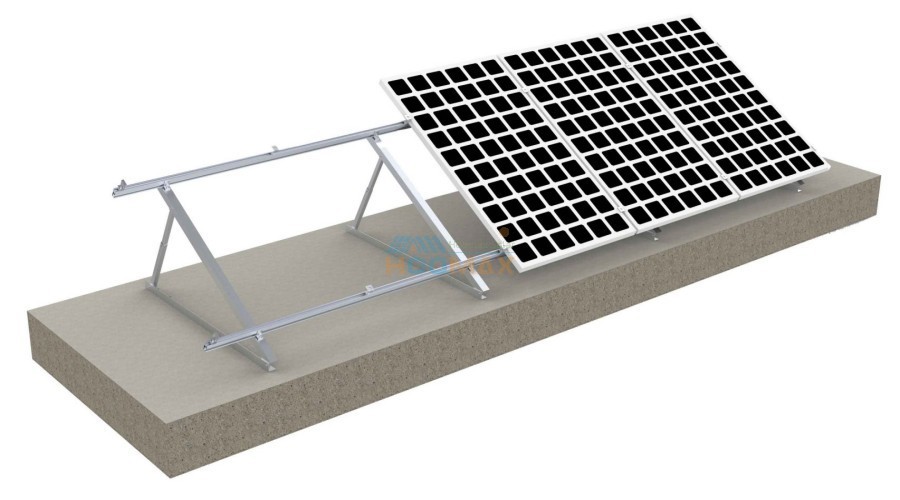
6. Solar Panel Mounting System
A **solar panel mounting system** ensures your solar panels are securely installed and positioned for optimal sun exposure.
#### Types of Mounting Systems:
- **Fixed Mounts**: Affordable and simple but not adjustable.
- **Adjustable Mounts**: Allow you to change the angle of the panels seasonally for maximum efficiency.
7. Solar Lighting Solutions
Lighting is crucial for any off-grid setup, and **solar lighting solutions** offer an eco-friendly option. These lights harness solar energy during the day and illuminate your space at night.
#### Popular Options:
- **Solar LED Lights**: Energy-efficient and long-lasting.
- **Solar Pathway Lights**: Great for lighting outdoor areas without the need for wiring.
8. Portable Solar Generator
For those looking for flexibility, a **portable solar generator** can provide power on the go. These generators are ideal for camping trips, emergency situations, or even as a backup for your home.
#### Benefits of Portable Generators:
- **Ease of Use**: Simple setup and operation.
- **Versatility**: Can power small appliances, charge devices, and even run power tools.
9. Solar Water Heater
When living off-grid, a **solar water heater** can significantly reduce your reliance on traditional energy sources for heating water.
#### Types of Solar Water Heaters:
- **Active Systems**: Utilize pumps to circulate water for heating.
- **Passive Systems**: Rely on natural circulation, making them less complex and more affordable.
10. Solar-Powered Appliances
Invest in **solar-powered appliances** designed specifically for off-grid living. These energy-efficient devices can help you reduce your energy consumption while maintaining a comfortable lifestyle.
#### Examples of Solar-Powered Appliances:
- **Refrigerators**: Energy-efficient models designed for low power consumption.
- **Fans and Heaters**: Solar-powered options for cooling and heating your space.
Conclusion: Embrace Sustainable Living with the Right Solar Accessories
Investing in the right solar accessories is crucial for maximizing the benefits of off-grid living. By incorporating high-quality solar panels, efficient batteries, reliable inverters, and smart monitoring systems, you can create a sustainable energy solution tailored to your needs. Consider the unique features and benefits of each accessory, and make informed decisions to enhance your off-grid lifestyle.
FAQs
1. What is the best solar panel type for off-grid living?
**Monocrystalline solar panels** offer the highest efficiency and are ideal for limited space, making them the best choice for off-grid living.
2. How many batteries do I need for my solar system?
The number of batteries needed depends on your energy consumption and storage goals. A professional assessment can help determine your specific requirements.
3. Can I use my solar system during cloudy days?
Yes, solar panels can still generate electricity during cloudy weather, although the output will be reduced compared to sunny days.
4. How do I maintain my solar system?
Regularly check and clean the solar panels, monitor battery health, and ensure that all connections are secure to maintain efficiency.
5. What size inverter do I need for my off-grid solar system?
The size of the inverter depends on your total wattage load. Calculate the wattage of all appliances you'll run simultaneously to choose the right size.
By understanding and integrating these **top 10 must-have solar accessories**, you can significantly enhance your off-grid living experience, ensuring that you have the energy independence you desire while embracing sustainability fully.



Room 601,No.368,Quanyutong Business center,Xianhou She,Huli District,Xiamen,China
Copyright © 2025 Xiamen Hoomax Solar Technology CO., LTD. ALL Rights Reserve.