The Impact of Solar Panel Mounting Brackets on System Longevity
Release time:
2026-02-20
The Impact of Solar Panel Mounting Brackets on System Longevity Table of Contents 1. Introduction 2. Understanding Solar Panel Mounting Brackets 2.1 Types of Mounting Brackets 2.2 Material Considerations 3. The Role of Mounting Brackets in Solar Systems 3.1 Stability and Support 3.2 Weather Resistance
The Impact of Solar Panel Mounting Brackets on System Longevity
Table of Contents
- 1. Introduction
- 2. Understanding Solar Panel Mounting Brackets
- 3. The Role of Mounting Brackets in Solar Systems
- 4. Impact on System Longevity
- 5. Choosing the Right Mounting Bracket
- 6. Maintenance Considerations
- 7. Frequently Asked Questions
- 8. Conclusion
1. Introduction
As the world increasingly turns to renewable energy sources, solar energy stands out as a leading choice for sustainable power solutions. One key element that significantly influences the efficiency and longevity of solar power systems is the **solar panel mounting bracket**. These seemingly simple devices play a crucial role in ensuring that solar panels remain securely attached, face the optimal direction, and withstand the elements. In this article, we will explore the various types of mounting brackets available, their role in solar systems, and how they impact the lifespan of the overall system.
2. Understanding Solar Panel Mounting Brackets
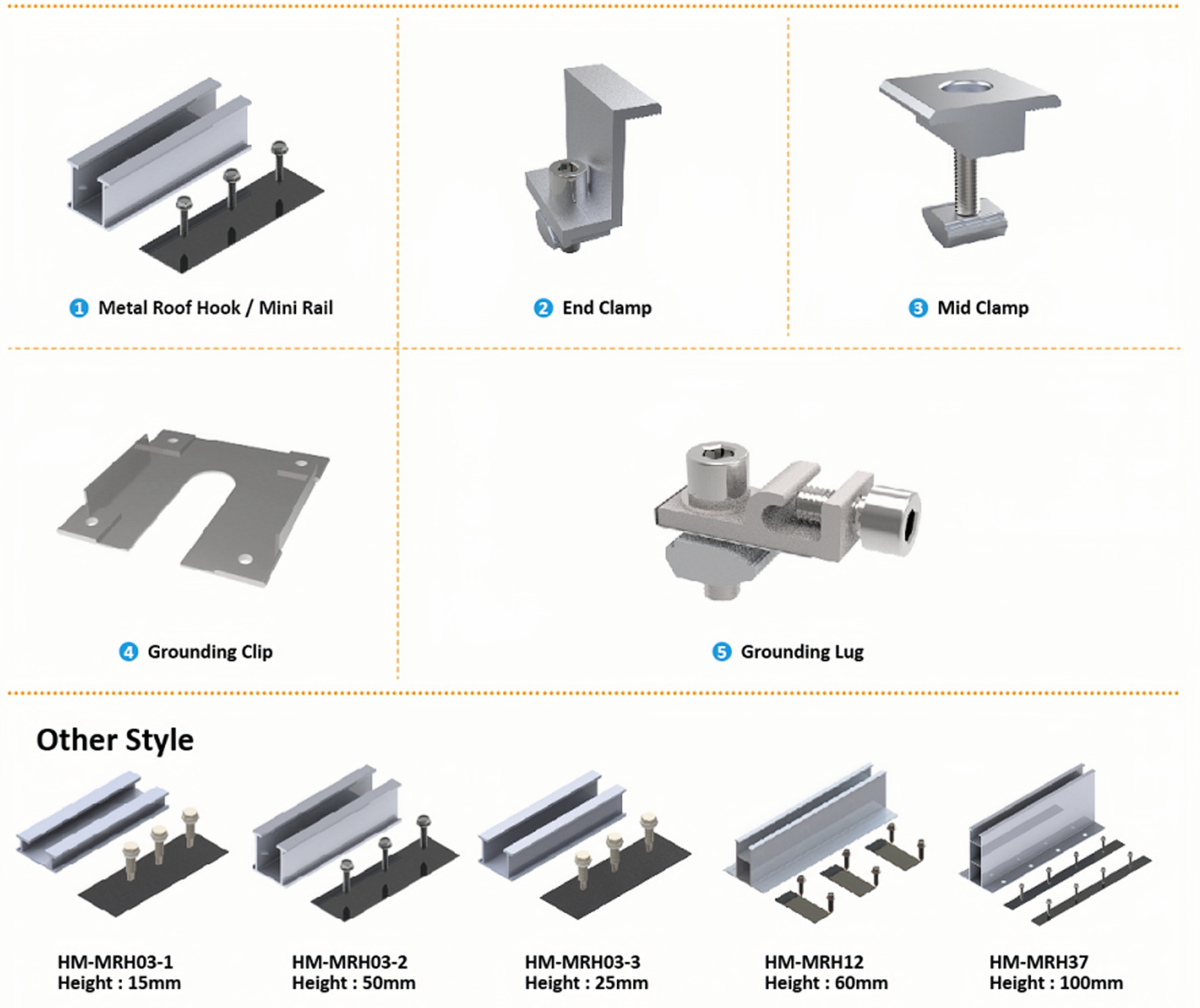
Solar panel mounting brackets are hardware components used to secure solar panels to various surfaces, including roofs, ground mounts, and poles. Understanding the different types and materials of mounting brackets is essential for selecting the most suitable option for your solar installation.
2.1 Types of Mounting Brackets
There are several types of solar panel mounting brackets, each designed for specific installation scenarios:
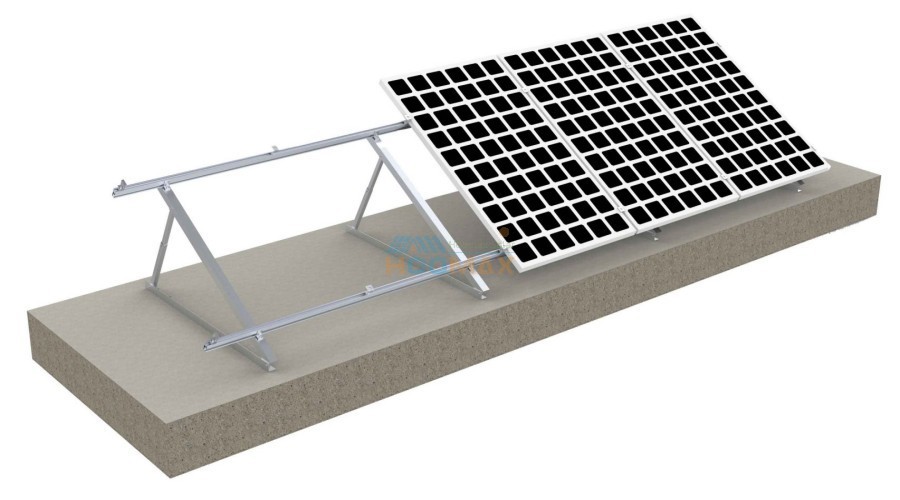
- **Fixed Mounts**: These brackets hold solar panels in a stationary position. They are often used in regions with consistent sunlight, maximizing exposure without the need for tracking systems.
- **Adjustable Mounts**: These offer flexibility in angle adjustments, allowing for seasonal changes in the sun's trajectory.
- **Tracking Mounts**: These sophisticated systems automatically adjust the panel's position to follow the sun throughout the day, enhancing energy capture but requiring additional maintenance.
Each type of bracket serves a purpose, and the choice largely depends on specific site conditions and energy goals.
2.2 Material Considerations
The material of mounting brackets is another critical factor. Common materials include:
- **Aluminum**: Lightweight and resistant to corrosion, aluminum is a popular choice for many installations.
- **Stainless Steel**: Offers superior strength and durability, ideal for harsh weather environments.
- **Galvanized Steel**: A cost-effective option that combines strength with corrosion resistance, suitable for various climates.
Selecting the right material impacts both the short-term performance and long-term durability of the solar energy system.
3. The Role of Mounting Brackets in Solar Systems
Mounting brackets serve multiple functions that are vital for the overall performance and longevity of solar systems.
3.1 Stability and Support
The primary role of mounting brackets is to provide stability and support for solar panels. Properly installed brackets ensure that panels remain securely in place, preventing movement that can lead to misalignment and reduced energy generation. Stability is especially crucial in areas prone to high winds or severe weather conditions. The right brackets help mitigate these risks, ensuring that panels maintain their optimal angle and orientation.
3.2 Weather Resistance
Solar panels are exposed to various environmental factors, including rain, snow, hail, and extreme temperatures. Quality mounting brackets are designed to withstand these elements, reducing the risk of damage to both the brackets and the panels. Brackets made from corrosion-resistant materials can significantly extend the lifespan of the entire solar system by preventing deterioration caused by moisture and harsh weather.
4. Impact on System Longevity
The choice of mounting brackets directly correlates with the longevity of solar energy systems. Several aspects, including corrosion resistance and installation quality, play a pivotal role in determining how long the system will last.
4.1 Corrosion and Durability
Corrosion is one of the leading causes of failure in solar panel systems. Poor-quality brackets made from inadequate materials can deteriorate over time, compromising the structural integrity of the solar panels. By choosing high-quality, corrosion-resistant mounting brackets, system owners can significantly enhance the durability and lifespan of their solar investments.
4.2 Installation Quality
The installation process itself is equally important. Even the best mounting brackets can fail if improperly installed. Ensuring that brackets are correctly positioned, secured, and aligned is crucial for the system's longevity. Engaging experienced professionals for the installation can mitigate risks associated with poor mounting, including panel misalignment, increased wear, and damage during adverse weather conditions.
5. Choosing the Right Mounting Bracket
Selecting the appropriate mounting bracket involves evaluating specific needs and conditions.
5.1 Evaluating Your Needs
When choosing mounting brackets, consider factors such as:
- **Type of Roof**: Different roofs may require specialized mounting solutions, such as penetrating mounts for tile roofs or non-penetrating mounts for flat roofs.
- **Energy Goals**: Assess whether fixed, adjustable, or tracking mounts align with your energy production goals.
- **Local Climate**: Choose materials and designs that can withstand local weather conditions.
Understanding these variables will guide you in selecting the most effective mounting system for your solar panels.
5.2 Expert Recommendations
Consulting with experts can provide valuable insights into the best mounting solutions for your specific situation. Professionals can assess your site, evaluate environmental factors, and recommend suitable products based on years of experience and industry knowledge. Additionally, leveraging expert advice can lead to enhanced performance and longer-term savings.
6. Maintenance Considerations
While solar panel systems are known for their low maintenance requirements, regular inspections of the mounting brackets can help ensure longevity. Checking for signs of wear, corrosion, or loose fittings allows for early detection of potential issues. Routine cleaning of brackets and panels can also optimize performance, ensuring that the system operates efficiently year-round.
7. Frequently Asked Questions
1. How do I know which type of mounting bracket is best for my solar panels?
The best type of mounting bracket depends on your roof type, energy goals, and local climate conditions. Consulting with a solar installation expert can help you make an informed decision.
2. What materials are best for solar panel mounting brackets?
Aluminum, stainless steel, and galvanized steel are popular materials for solar mounting brackets. Each has its benefits, so consider your specific needs and environmental factors.
3. How often should I inspect my solar panel mounting brackets?
It is advisable to inspect your mounting brackets at least once a year, or more frequently in areas with extreme weather conditions, to ensure they remain in good condition.
4. Can poor-quality mounting brackets affect my solar panel performance?
Yes, poor-quality mounting brackets can lead to misalignment and increased wear on solar panels, ultimately affecting their performance and longevity.
5. Are tracking mounts worth the investment?
Tracking mounts can significantly increase energy capture but may require more maintenance. Evaluate your energy goals and budget to determine if this investment aligns with your needs.
8. Conclusion
The choice of solar panel mounting brackets is a critical factor that influences the longevity and performance of solar energy systems. By understanding the different types, materials, and the overall role of mounting brackets, users can make informed decisions that enhance their investment. Prioritizing quality, proper installation, and regular maintenance will ensure that solar systems not only perform optimally but also stand the test of time. Investing in the right mounting brackets today is a proactive step towards a sustainable and efficient energy future.



Room 601,No.368,Quanyutong Business center,Xianhou She,Huli District,Xiamen,China
Copyright © 2025 Xiamen Hoomax Solar Technology CO., LTD. ALL Rights Reserve.