How to Choose the Right Adjustable Tilt Solar Mounting System for Your Needs
Release time:
2026-02-18
How to Choose the Right Adjustable Tilt Solar Mounting System for Your Needs Table of Contents Understanding Solar Mounting Systems Importance of Adjustable Tilt Systems Factors to Consider When Selecting a Tilt System Types of Adjustable Tilt Solar Mounts Installation Considerations Maximizing Solar Efficiency Cost and Budgeting Frequently Asked Questions Underst
How to Choose the Right Adjustable Tilt Solar Mounting System for Your Needs
Table of Contents
- Understanding Solar Mounting Systems
- Importance of Adjustable Tilt Systems
- Factors to Consider When Selecting a Tilt System
- Types of Adjustable Tilt Solar Mounts
- Installation Considerations
- Maximizing Solar Efficiency
- Cost and Budgeting
- Frequently Asked Questions
Understanding Solar Mounting Systems
Solar mounting systems are integral components of any solar power installation. These systems provide the necessary support and positioning for solar panels, ensuring that they capture maximum sunlight exposure throughout the day. Essentially, a solar mounting system serves as a platform for solar panels, facilitating optimal solar energy production.
There are primarily two types of solar mounting systems: **fixed and adjustable**. Fixed mounts remain in a stationary position, whereas adjustable mounts allow for tilting, making them a popular choice for homeowners looking to optimize their solar energy production.
Importance of Adjustable Tilt Systems
Adjustable tilt solar mounting systems offer significant advantages over fixed systems. The primary benefit is their ability to maximize solar panel exposure to sunlight, which can lead to increased energy production. By adjusting the tilt angle of the panels throughout the year, you can capture sunlight more efficiently, especially during different seasons and times of day.
This adaptability can lead to a higher return on investment for solar energy systems. A tilt system can increase energy output by up to **25%** compared to fixed mounts, particularly if the installation is in areas with varying sun angles and weather conditions.
Factors to Consider When Selecting a Tilt System
When choosing an adjustable tilt solar mounting system, several critical factors should be taken into account to ensure that the system meets your specific needs:
1. Location and Climate
The geographical location and climate of your installation site play a significant role in selecting the right tilt system. Areas with heavy snowfall or high winds may require more robust mounting systems to withstand extreme conditions. Additionally, understanding the typical sun path in your region will help determine the best tilt angles for optimal solar capture.
2. Roof Type and Structure
The structural integrity of your roof is paramount when selecting a solar mounting system. Ensure that your roof can support the weight and installation of the solar panels and mounting hardware. Common roof types include flat, sloped, and standing seam, each requiring specific mounting solutions.
3. Panel Size and Type
Different solar panels come in various sizes and specifications. Ensure that the adjustable tilt solar mount you choose can accommodate the dimensions and weight of your solar panels. Compatibility is crucial for both safety and efficiency.
4. Ease of Adjustment
Some adjustable tilt systems allow for manual adjustments, while others may include automatic tracking features. Consider how often you plan to adjust the tilt and whether you prefer a system that is easy to modify according to changing sunlight conditions.
5. Durability and Material Quality
The materials used in the construction of the adjustable tilt solar mounting system can significantly affect its longevity and performance. Look for mounts made from corrosion-resistant materials such as aluminum or galvanized steel to ensure they withstand environmental challenges over time.
Types of Adjustable Tilt Solar Mounts
There are several types of adjustable tilt solar mounts available, each with unique features and benefits:
1. Ground-Mounted Adjustable Tilt Systems
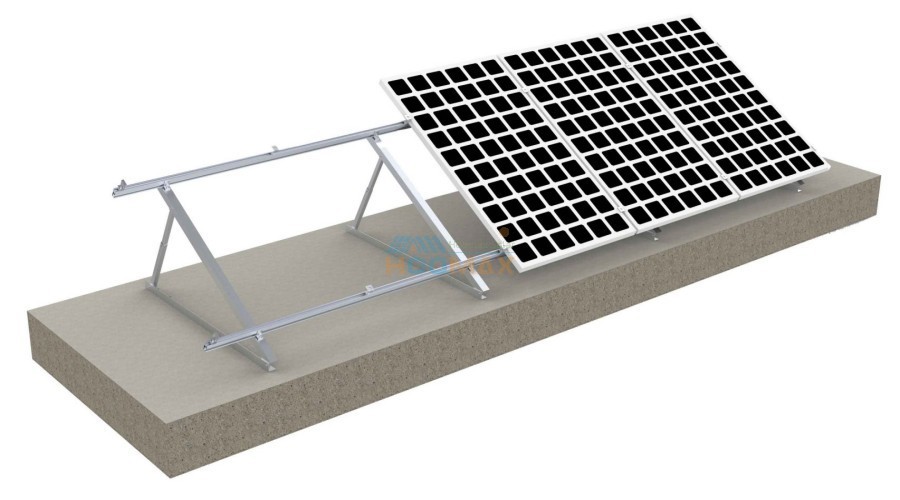
Ground-mounted systems are installed directly on the ground and are suitable for properties with ample outdoor space. These systems can be easily adjusted and are more flexible in terms of angle modifications. Ground mounts typically offer better sunlight exposure, especially in rural or suburban areas.
2. Roof-Mounted Adjustable Tilt Systems
Roof-mounted systems are attached directly to the roof structure. These mounts are ideal for properties with limited outdoor space, effectively utilizing existing roofs. Adjustable roof mounts allow for tilt adjustments, ensuring optimal angle adjustments without taking up additional ground space.
3. Pole-Mounted Adjustable Tilt Systems
Pole mounts are another option, where solar panels are mounted on poles elevated off the ground. This design allows for easier adjustment of the tilt angle and provides better airflow and sunlight exposure. Pole mounts are particularly useful in locations with heavy vegetation or obstructions.
Installation Considerations
Proper installation of adjustable tilt solar mounting systems is crucial for ensuring safety and efficiency. Here are essential considerations to keep in mind:
1. Professional Installation vs. DIY
While some homeowners may choose to install their solar mounts themselves, hiring professionals can ensure a secure and efficient installation. Professional installers have experience with the complexities of solar mounting systems and can provide valuable insights into optimal positioning and adjustments.
2. Local Building Codes and Regulations
Before installation, it is essential to check local building codes and regulations. Some jurisdictions may have specific requirements for solar installations, including permits and inspections. Compliance with these regulations is critical to avoid fines and ensure safety.
3. Electrical Connections
When installing solar mounts, it is important to consider how the electrical connections will be made to the solar panels. Ensure the wiring is well-organized and protected from environmental factors to prevent damage and ensure efficiency.
Maximizing Solar Efficiency
To maximize the efficiency of your adjustable tilt solar mounting system, consider the following tips:
1. Regular Maintenance
Regular maintenance is essential for keeping your solar panels and mounting systems functioning optimally. Clean the panels periodically to remove dirt, dust, and debris that can obstruct sunlight. Inspect the mounting system for corrosion or structural issues to prolong its lifespan.
2. Seasonal Adjustments
Adjust the tilt angle of your solar panels seasonally to capture maximum sunlight exposure. In winter, lower angles may be more effective, while higher angles may be beneficial during summer months.
3. Monitor Performance
Utilize monitoring systems to track the performance of your solar energy system. Analyzing data can help you identify trends and make necessary adjustments to your tilt system for improved efficiency.
Cost and Budgeting
When planning for an adjustable tilt solar mounting system, it is essential to consider the overall cost and budgeting. Here are some factors to keep in mind:
1. Initial Investment
The initial investment for adjustable tilt solar mounts can vary significantly based on factors such as the type of system, materials used, and installation costs. Budget accordingly and seek multiple quotes from reputable installers to ensure you receive competitive pricing.
2. Long-Term Savings
While the upfront cost may be higher for adjustable tilt systems, the potential for increased energy production can lead to substantial long-term savings on energy bills. Calculate the return on investment (ROI) by assessing your energy savings over time.
3. Incentives and Rebates
Research local, state, and federal incentives for solar energy installations. Many regions offer tax credits and rebates that can significantly reduce the overall cost of your solar project, making it more affordable for homeowners.
Frequently Asked Questions
1. What is an adjustable tilt solar mounting system?
An adjustable tilt solar mounting system allows solar panels to be tilted at various angles to capture maximum sunlight exposure throughout the day and year, maximizing energy production.
2. How do I determine the best tilt angle for my solar panels?
The optimal tilt angle depends on your geographical location, sun path, and seasonal changes. Generally, the tilt angle should be set equal to your latitude for year-round efficiency or adjusted based on seasonal sunlight variations.
3. Can I install an adjustable tilt solar mount myself?
While it is possible to install an adjustable tilt solar mount yourself, hiring a professional installer is recommended for ensuring a secure and compliant installation.
4. How much does an adjustable tilt solar mounting system cost?
The cost of adjustable tilt solar mounts varies based on several factors, including system type, materials, and installation costs. On average, homeowners can expect to invest between $1,000 and $3,000 for a complete system.
5. What maintenance is required for adjustable tilt solar mounts?
Regular maintenance includes cleaning the solar panels, inspecting the mounting system for damage or corrosion, and adjusting the tilt angle seasonally for optimal performance.
Conclusion
Choosing the right adjustable tilt solar mounting system is a critical decision that can significantly impact your solar energy production and overall efficiency. By considering factors such as location, roof type, panel specifications, and installation requirements, you can select a system that meets your unique needs. Understanding the advantages of adjustable tilt systems can lead to increased energy output and long-term savings. Remember to invest in regular maintenance and monitoring to ensure your system operates at peak performance. With the right information and resources, you can harness the power of solar energy more effectively, contributing to sustainability while reducing energy costs.



Room 601,No.368,Quanyutong Business center,Xianhou She,Huli District,Xiamen,China
Copyright © 2025 Xiamen Hoomax Solar Technology CO., LTD. ALL Rights Reserve.