How to Choose the Right Solar Accessories for Maximum Performance
Release time:
2026-02-16
How to Choose the Right Solar Accessories for Maximum Performance When it comes to harnessing solar energy effectively, choosing the right solar accessories is paramount. While solar panels often take center stage, the performance of your solar energy system heavily relies on various supporting components. This guide will delve deep into choosing the right solar accessories to ensure that you achi
How to Choose the Right Solar Accessories for Maximum Performance
When it comes to harnessing solar energy effectively, choosing the right solar accessories is paramount. While solar panels often take center stage, the performance of your solar energy system heavily relies on various supporting components. This guide will delve deep into choosing the right solar accessories to ensure that you achieve maximum efficiency and longevity from your solar setup.
Understanding Solar Accessories: What Do You Need?
Solar accessories encompass a variety of components that enhance the performance of solar energy systems. Here are some critical elements to consider:
1. Solar Inverters: The Heart of Your System
Solar inverters play a crucial role in converting the direct current (DC) produced by solar panels into the alternating current (AC) used by most home appliances. When selecting an inverter, consider the following:
- **Type of Inverter**: There are three main types—string inverters, microinverters, and power optimizers. Each has its pros and cons depending on your installation.
- **Efficiency Ratings**: Choose inverters with high efficiency ratings (above 95%) to ensure minimal energy loss during conversion.
- **Monitoring Capabilities**: Opt for inverters with monitoring features that allow you to track energy production and system performance.
2. Solar Batteries: Energy Storage Solutions
With solar batteries, you can store excess energy for use during cloudy days or nighttime. Here’s what to consider:
- **Battery Type**: Lithium-ion batteries are popular due to their long lifespan and efficiency. Lead-acid batteries are cheaper but have a shorter life.
- **Capacity and Depth of Discharge**: Assess your energy needs to determine the appropriate battery capacity. A greater depth of discharge means you can use more of the battery's capacity without damaging it.
- **Warranty and Lifespan**: Look for batteries with long warranties (10 years or more) to ensure reliability over time.
3. Solar Mounting Systems: Securing Your Panels
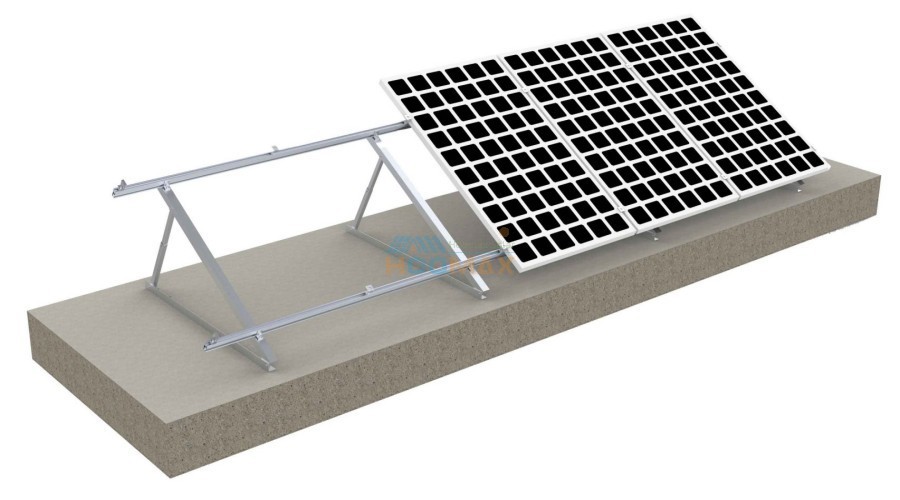
The mounting system holds your solar panels in place, ensuring they are optimally angled for maximum sunlight exposure. Here are key points to consider:
- **Roof vs. Ground Mounts**: Decide whether you want a roof-mounted or ground-mounted system based on your property’s layout.
- **Material Durability**: Choose mounting systems made from high-quality materials like aluminum or stainless steel to withstand weather conditions.
- **Adjustability**: Some mounting systems allow for angle adjustments, which can enhance performance during different seasons.
Essential Solar Accessories to Boost Performance
Beyond the main components, several additional accessories can further enhance your solar energy system’s efficiency.
1. Solar Charge Controllers: Regulating Energy Flow
A solar charge controller manages the voltage and current coming from the solar panels to the batteries. It prevents overcharging and prolongs battery life. Look for:
- **PWM vs. MPPT**: Pulse Width Modulation (PWM) is simpler and cheaper, while Maximum Power Point Tracking (MPPT) is more efficient, especially in larger systems.
- **Compatibility**: Ensure the charge controller is compatible with your solar panels and battery type.
2. Performance Monitoring Systems: Keeping Track
Monitoring systems help you track the performance of your solar energy system. They can identify issues and optimize energy production. Key features to look for include:
- **Real-Time Data**: Choose systems that provide live data on energy generation and consumption.
- **Remote Access**: Many modern systems offer mobile apps for monitoring your solar performance from anywhere.
3. Solar Cables: Ensuring Safe Connections
Using the right cables is crucial for safety and efficiency. Consider the following:
- **Wire Size and Type**: Use appropriately sized cables to handle the current from your solar panels without overheating.
- **UV Resistance**: Ensure that the cables are UV-resistant to prevent degradation over time.
Factors to Consider When Choosing Solar Accessories
When selecting solar accessories, several critical factors can influence your choices. Here are key considerations to keep in mind:
1. System Compatibility
Ensure that all components integrate seamlessly with one another. Compatibility between the inverter, panels, batteries, and charge controllers is vital for optimal performance.
2. Energy Needs and Usage Patterns
Analyze your energy consumption to determine the size and type of accessories you need. Understanding your peak usage times can help in selecting storage solutions and inverters.
3. Budget Constraints
While it’s tempting to cut costs, investing in quality accessories can prevent future problems and increase efficiency. Balance your budget with your performance expectations.
4. Local Climate and Installation Type
Different climates require different accessories. For example, areas prone to heavy snow may need sturdier mounting systems, while regions with high temperatures may benefit from specific battery types.
FAQs About Choosing Solar Accessories
1. What is the best type of solar inverter for home use?
The best type depends on your specific needs. Microinverters are great for shaded areas, while string inverters are often more cost-effective for systems with no shading.
2. How do I know if I need a solar battery?
If you want to use solar energy during power outages or at night, a solar battery is essential. If your energy consumption is low and you can rely on grid power, you may not need one.
3. Can I install solar accessories myself?
While some accessories, like solar panels, require professional installation, many homeowners can install basic components like charge controllers or monitoring systems with proper guidance.
4. How long do solar batteries last?
The lifespan of solar batteries varies. Lithium-ion batteries typically last 10-15 years, while lead-acid batteries may last 3-7 years.
5. What maintenance do solar accessories require?
Regular maintenance includes cleaning solar panels, checking connections, and monitoring battery health. It’s also essential to keep an eye on the inverter and charge controller for any alerts.
Conclusion
Choosing the right solar accessories is crucial for maximizing the performance of your solar energy system. By understanding the essential components like inverters, batteries, and mounting systems, as well as considering factors such as compatibility and energy needs, you can make informed decisions that will enhance your solar setup. In the ever-evolving world of renewable energy, investing in quality accessories will ensure your system runs efficiently and effectively for years to come. Let this guide serve as your roadmap to a successful solar energy journey.



Room 601,No.368,Quanyutong Business center,Xianhou She,Huli District,Xiamen,China
Copyright © 2025 Xiamen Hoomax Solar Technology CO., LTD. ALL Rights Reserve.