The Role of Agrivoltaic Mounting Systems in Global Energy Transition
Release time:
2026-02-14
The Role of Agrivoltaic Mounting Systems in Global Energy Transition Table of Contents 1. Introduction to Agrivoltaic Systems 2. What Are Agrivoltaic Systems? 3. The Benefits of Agrivoltaic Mounting Systems 4. Technology Behind Agrivoltaic Systems 5. Applications of Agrivoltaic Mounting Systems 6. Challenges and Solutions in Agrivoltaics 7. The Global Impact of Agrivol
The Role of Agrivoltaic Mounting Systems in Global Energy Transition
Table of Contents
- 1. Introduction to Agrivoltaic Systems
- 2. What Are Agrivoltaic Systems?
- 3. The Benefits of Agrivoltaic Mounting Systems
- 4. Technology Behind Agrivoltaic Systems
- 5. Applications of Agrivoltaic Mounting Systems
- 6. Challenges and Solutions in Agrivoltaics
- 7. The Global Impact of Agrivoltaic Systems
- 8. The Future of Agrivoltaic Systems in Energy Transition
- 9. Frequently Asked Questions
- 10. Conclusion
1. Introduction to Agrivoltaic Systems
The world is undergoing a significant energy transition, moving from fossil fuels to renewable energy sources. One innovative solution gaining traction in this shift is **agrivoltaic systems**. These systems enable the dual use of land for both agriculture and solar energy production, presenting a unique opportunity to enhance food security while contributing to renewable energy goals. This article delves deeper into the mechanics and benefits of agrivoltaic mounting systems and their vital role in the global energy transition.
2. What Are Agrivoltaic Systems?
**Agrivoltaics** involve the strategic installation of solar panels above agricultural land. This setup allows farmers to cultivate crops while simultaneously generating solar energy. The systems can vary in design, including **fixed-tilt**, **tracking**, and **vertical installations**, depending on the specific agricultural needs and solar energy goals.
The key aspect of agrivoltaic systems is their ability to optimize land use. By using the same piece of land for both farming and solar energy generation, agrivoltaics help reduce competition for land resources, which is crucial in densely populated regions where arable land is limited.
2.1 The Mechanism of Agrivoltaic Systems
Agrivoltaic systems typically consist of several components:
- **Solar Panels:** Installed above crops to generate electricity.
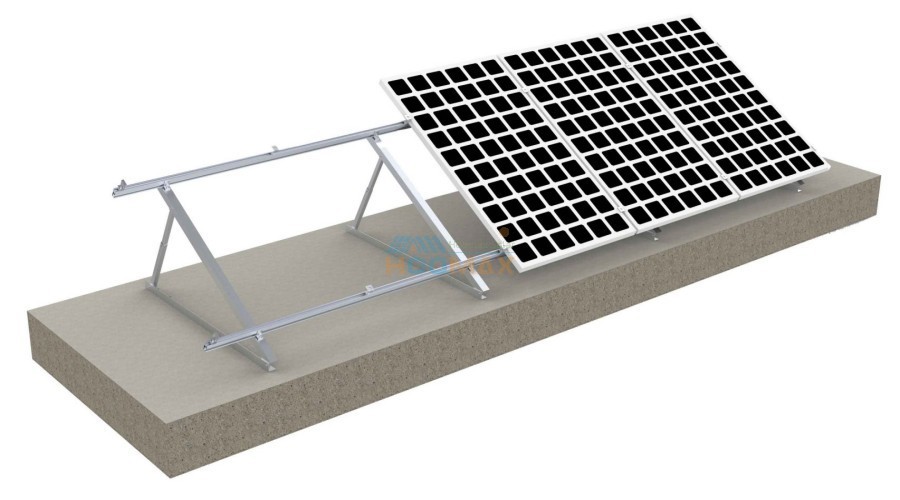
- **Mounting Structures:** Hold the solar panels and can be adjusted for optimal sunlight exposure.
- **Inverters:** Convert generated solar energy into usable electricity.
- **Monitoring Systems:** Track performance and efficiency of both the agricultural and solar aspects.
These components work together to enhance the synergy between agriculture and solar energy production, offering numerous advantages.
3. The Benefits of Agrivoltaic Mounting Systems
Implementing agrivoltaic systems comes with a multitude of benefits that can significantly impact both the agricultural and energy sectors.
3.1 Increased Land Efficiency
One primary benefit is the increased efficiency of land use. As global populations rise, the need for food production grows. Agrivoltaic systems maximize the utility of limited land resources by allowing simultaneous agricultural activities and solar energy generation.
3.2 Enhanced Crop Yields
Interestingly, the shade provided by solar panels can benefit certain crops. This microclimate can reduce water evaporation and temperature extremes, potentially leading to improved crop yields. Additionally, the infrastructure can support the growth of shade-tolerant crops.
3.3 Sustainable Energy Production
Agrivoltaic systems contribute directly to the transition towards **sustainable energy**. By generating renewable energy on-site, farmers can reduce their dependence on fossil fuels, mitigate operational costs, and even sell excess energy back to the grid.
3.4 Reduced Water Usage
Water scarcity is a pressing global issue. Agrivoltaics can help reduce water consumption in agriculture by lessening the need for irrigation due to the solar panels' shading effect, which can lower soil temperatures and enhance moisture retention.
4. Technology Behind Agrivoltaic Systems
The technology used in agrivoltaic systems is evolving rapidly, with innovations enhancing their efficiency and feasibility.
4.1 Solar Panel Advances
Modern solar panels are becoming more efficient and cost-effective. Advances in **photovoltaic technology**, such as the development of bifacial panels (which capture sunlight from both sides), are optimizing energy production without increasing land use.
4.2 Smart Agriculture Integration
The integration of **smart agriculture** technologies, such as IoT sensors and drones, allows farmers to monitor crop health and solar panel performance simultaneously. This data-driven approach enables better decision-making and resource management.
4.3 Modular Mounting Systems
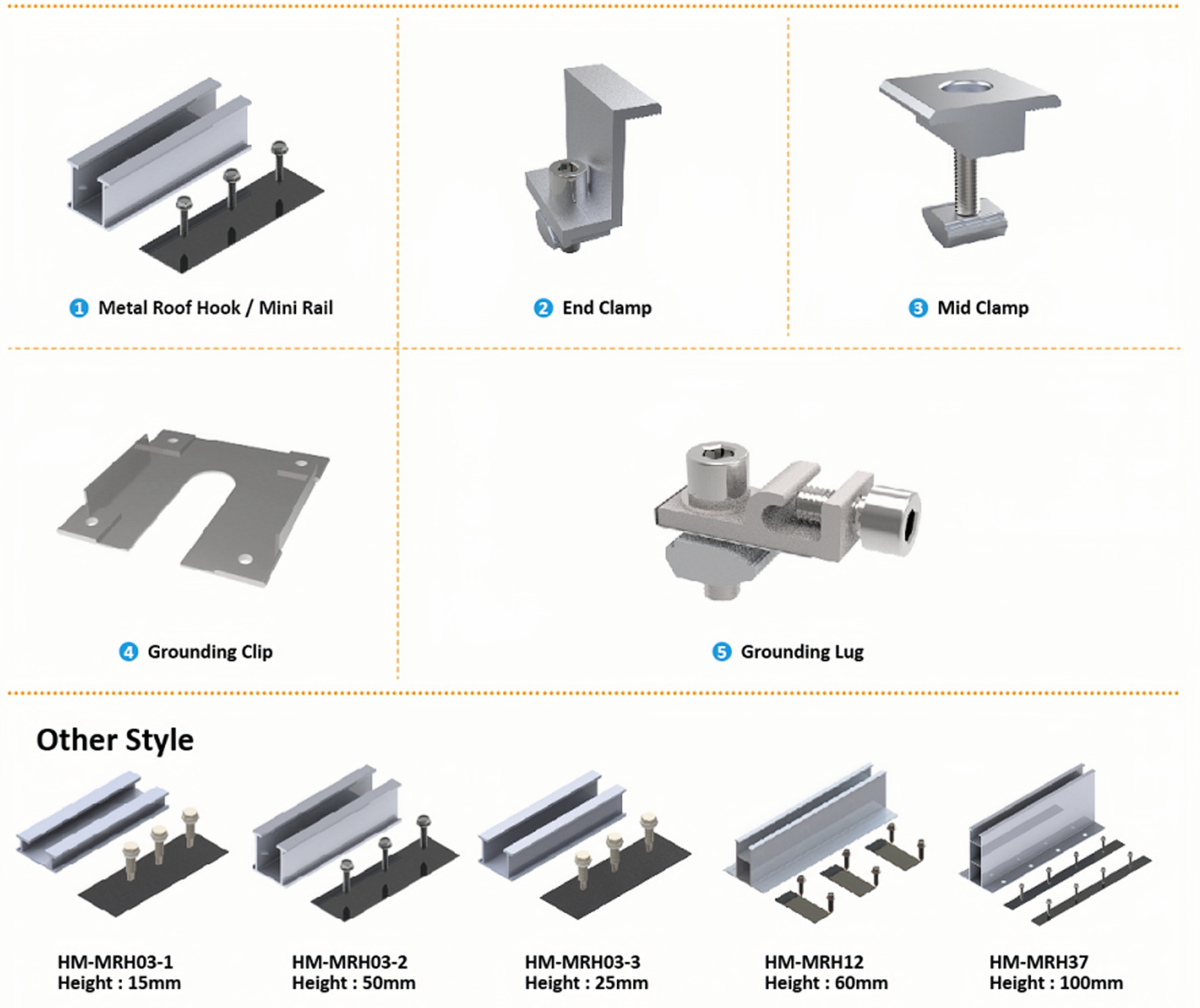
Innovations in modular mounting systems allow for flexibility in design and installation. These systems can be tailored to crop types and farming practices, ensuring that the agrivoltaic solution is customized for specific needs.
5. Applications of Agrivoltaic Mounting Systems
Agrivoltaic systems can be applied in various agricultural contexts, expanding their impact.
5.1 Crop Farming
The most straightforward application of agrivoltaics is in traditional crop farming. By installing solar panels over rows of crops, farmers can produce electricity while cultivating food.
5.2 Livestock Grazing
Agrivoltaic systems can also benefit livestock farming. Grazing animals can coexist with solar installations, allowing for dual land usage without compromising agricultural productivity.
5.3 Specialty Crops
Certain specialty crops, like berries and leafy greens, thrive in shaded environments. Agrivoltaics can thus enhance the cultivation of these high-value crops, improving profitability for farmers.
6. Challenges and Solutions in Agrivoltaics
While agrivoltaic systems present numerous benefits, they also face challenges.
6.1 Initial Investment Costs
The upfront costs of installing agrivoltaic systems can be significant. However, governments and organizations are increasingly providing incentives and subsidies to encourage adoption, offsetting these costs.
6.2 Land Use Regulations
Navigating land use regulations can be complex. Collaborating with local governments and stakeholders is essential to ensure compliance and facilitate successful implementation.
6.3 Technical Knowledge
Farmers may require additional training to operate and maintain agrivoltaic systems effectively. Education and support from agrivoltaic technology providers can help bridge this knowledge gap.
7. The Global Impact of Agrivoltaic Systems
Agrivoltaic systems have the potential to make a substantial contribution to global energy strategies.
7.1 Carbon Footprint Reduction
By harnessing solar energy while maintaining agricultural output, agrivoltaics can significantly reduce carbon emissions, aiding global climate goals.
7.2 Promoting Energy Security
Incorporating agrivoltaics into national energy policies can bolster energy security. Countries can produce renewable energy locally, reducing dependence on imported fossil fuels.
7.3 Enhancing Food Security
With the global population projected to reach nearly 10 billion by 2050, the need for sustainable food production is critical. Agrivoltaic systems can help meet this demand while promoting environmental sustainability.
8. The Future of Agrivoltaic Systems in Energy Transition
The future looks promising for agrivoltaic systems as technology advances and awareness of their benefits grows.
8.1 Policy Support
Government policies emphasizing renewable energy and sustainable agriculture will play a crucial role in the expansion of agrivoltaic systems. Creating supportive regulatory frameworks can accelerate adoption.
8.2 Research and Development
Ongoing research into the effectiveness and efficiency of agrivoltaic systems will be essential. Investments in R&D can lead to innovative practices that enhance performance and address emerging challenges.
8.3 Global Collaboration
International cooperation will be vital in sharing best practices and technologies. Global platforms can help farmers, researchers, and policymakers collaborate to implement successful agrivoltaic projects.
9. Frequently Asked Questions
9.1 What is an agrivoltaic system?
An agrivoltaic system combines agricultural practices with solar energy production, allowing for simultaneous cultivation of crops and generation of renewable energy.
9.2 How do agrivoltaic systems benefit farmers?
Farmers can enjoy increased land efficiency, improved crop yields, reduced water usage, and lower operational costs due to the energy generated on-site.
9.3 What crops are suitable for agrivoltaic systems?
Many crops can thrive under agrivoltaic systems, including shade-tolerant crops like leafy greens, berries, and even livestock grazing.
9.4 What challenges do agrivoltaic systems face?
Challenges include initial investment costs, navigating land use regulations, and the need for technical education among farmers.
9.5 What is the future potential of agrivoltaic systems?
The future of agrivoltaic systems looks promising, with advancements in technology, supportive policies, and increased global collaboration expected to enhance their implementation and impact.
10. Conclusion
Agrivoltaic mounting systems represent a significant advancement in the quest for sustainable energy and food production. By optimizing land use, promoting renewable energy generation, and enhancing agricultural productivity, agrivoltaics hold the potential to transform both the energy and agricultural landscapes. As we move toward a more sustainable future, embracing agrivoltaic systems will be crucial in our global energy transition, enhancing food security, and reducing our carbon footprint. The journey has just begun, and the opportunities are vast, inviting innovation and collaboration across industries.




Room 601,No.368,Quanyutong Business center,Xianhou She,Huli District,Xiamen,China
Copyright © 2025 Xiamen Hoomax Solar Technology CO., LTD. ALL Rights Reserve.