Exploring the Remarkable Benefits of Solar Ground Mounting Systems
Release time:
2026-02-12
Exploring the Remarkable Benefits of Solar Ground Mounting Systems Solar energy has emerged as one of the most viable and sustainable energy sources in recent years. Among the various solar technologies available, **solar ground mounting systems** are gaining considerable traction. These systems offer a multitude of benefits, making them an attractive choice for both residential and commercial pur
Exploring the Remarkable Benefits of Solar Ground Mounting Systems
Solar energy has emerged as one of the most viable and sustainable energy sources in recent years. Among the various solar technologies available, **solar ground mounting systems** are gaining considerable traction. These systems offer a multitude of benefits, making them an attractive choice for both residential and commercial purposes. This article delves into the numerous advantages of solar ground mounting systems and why they may be the ideal solution for your energy needs.
Table of Contents
1. Understanding Solar Ground Mounting Systems
2. Key Benefits of Solar Ground Mounting Systems
2.1 Increased Energy Production
2.2 Cost-Effectiveness and Return on Investment
2.3 Flexibility in System Design
2.4 Enhanced Aesthetics and Property Value
2.5 Improved Durability and Maintenance
3. Types of Solar Ground Mounting Systems
3.1 Fixed Tilt Systems
3.2 Adjustable Tilt Systems
3.3 Solar Tracking Systems
4. Factors to Consider When Choosing a Ground Mount System
5. Installation Process of Solar Ground Mounting Systems
6. Frequently Asked Questions
7. Conclusion
1. Understanding Solar Ground Mounting Systems
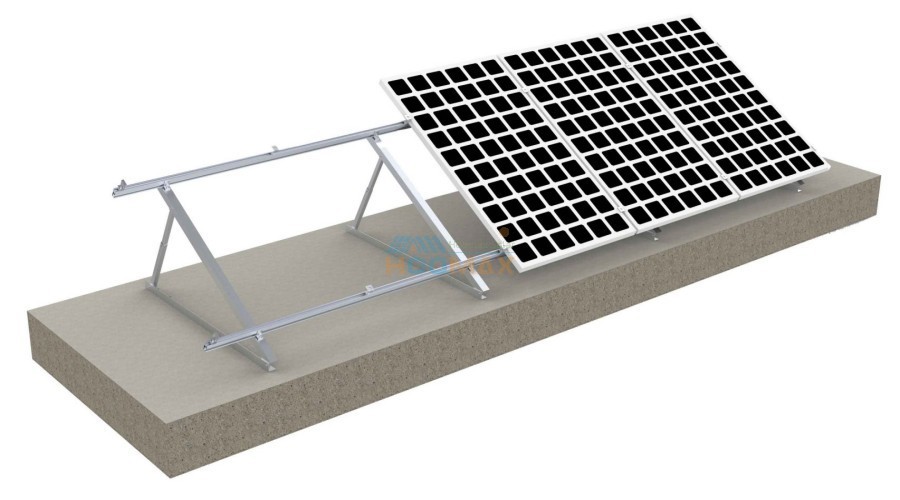
Solar ground mounting systems are structures designed to support solar panels directly on the ground, as opposed to rooftop installations. They are particularly advantageous for properties lacking sufficient roof space, or where roof orientation and shading may hinder solar panel performance. Ground mounts provide flexibility in terms of panel arrangement, ensuring optimal exposure to sunlight throughout the day.
2. Key Benefits of Solar Ground Mounting Systems
Solar ground mounting systems present a range of benefits, making them increasingly popular among homeowners and businesses alike.
2.1 Increased Energy Production
One of the primary advantages of solar ground mounting systems is the potential for **increased energy production**. By positioning the solar panels at an ideal angle, ground-mounted systems can maximize sunlight capture. This is especially true when compared to rooftop installations, which may be limited by roof pitch or obstructions such as chimneys and vents. Optimal positioning enhances the overall efficiency of the solar array, leading to greater energy output.
2.2 Cost-Effectiveness and Return on Investment
Investing in solar ground mounting systems can prove to be **cost-effective** over time. Although the initial installation costs may be higher than rooftop systems, the long-term savings on electricity bills and the potential for government incentives can significantly improve your return on investment (ROI). Furthermore, the durability and longevity of ground mounts, designed to withstand various weather conditions, reduce maintenance costs over the lifespan of the system.
2.3 Flexibility in System Design
Solar ground mounts offer remarkable **flexibility in system design**. Unlike rooftop installations, which are constrained by the roof's shape and size, ground mounts can be tailored to accommodate various layouts and orientations. This flexibility allows for optimal placement of solar panels, ensuring maximum sunlight exposure and energy production.
2.4 Enhanced Aesthetics and Property Value
While some may argue that solar panels on rooftops can be unsightly, ground-mounted systems provide the opportunity for more aesthetically pleasing installations. By strategically placing solar panels in less visible or more attractive areas of your property, you can enhance the overall appearance of your landscape. Additionally, the installation of a solar ground mounting system can increase your property value, as prospective buyers appreciate energy-efficient features.
2.5 Improved Durability and Maintenance
Solar ground mounting systems are built to endure various environmental conditions, ensuring **improved durability**. Ground mounts are usually made of robust materials resistant to corrosion, wind, and snow loads, making them a reliable choice for long-term use. In terms of maintenance, ground-mounted systems are often easier to access for cleaning and repairs, ensuring that your solar panels operate at peak efficiency throughout their lifespan.
3. Types of Solar Ground Mounting Systems
Understanding the different types of solar ground mounting systems available can help you choose the right one for your specific needs.
3.1 Fixed Tilt Systems
Fixed tilt systems are the simplest type of ground mounting solution. They hold solar panels in a stationary position at a pre-set angle. These systems are cost-effective and typically require less installation time. However, they may not always capture the maximum amount of sunlight throughout the year.
3.2 Adjustable Tilt Systems
Adjustable tilt systems allow for manual adjustments to the angle of the solar panels, optimizing energy capture during different seasons. While they may require more effort to maintain, the potential for increased energy production can justify this additional maintenance.
3.3 Solar Tracking Systems
Solar tracking systems are advanced ground-mounted solutions that move the solar panels throughout the day to follow the sun’s path. This technology can significantly boost energy production, making it an attractive option for those looking to maximize their solar investment. However, these systems typically come at a higher upfront cost and require more maintenance.
4. Factors to Consider When Choosing a Ground Mount System
When selecting a solar ground mounting system, several factors should be taken into account:
- **Space Availability**: Assess the amount of land available for installation and ensure it receives ample sunlight throughout the day.
- **Local Regulations**: Investigate local zoning laws and regulations regarding solar installations, as these can vary significantly.
- **Soil Type**: The type of soil and its stability can influence the choice of mounting system. Some systems may require concrete foundations, while others may use driven posts.
- **Budget**: Evaluate your budget to determine which type of system aligns with your financial goals while considering potential long-term savings.
5. Installation Process of Solar Ground Mounting Systems
The installation of solar ground mounting systems generally involves several key steps:
1. **Site Assessment**: A professional will evaluate the site to determine the best location for the solar panels, considering factors such as sunlight exposure and soil type.
2. **Design and Permitting**: A custom design will be created based on the site assessment, followed by obtaining necessary permits from local authorities.
3. **Foundation Preparation**: Depending on the type of ground mounting system, foundations may need to be poured or posts driven into the ground.
4. **Mounting Installation**: The mounting structures are erected, followed by the installation of solar panels.
5. **Electrical Connection**: The system is connected to the electrical grid or storage solution, ensuring it is operational.
6. **Final Inspection**: A thorough inspection is conducted to ensure the system is installed correctly and meets local regulations.
6. Frequently Asked Questions
**Q1: What is the average cost of a solar ground mounting system?**
A: The cost can vary based on several factors, including the type of system, the number of panels, and installation complexity. On average, homeowners can expect to pay anywhere from $15,000 to $30,000 for a complete installation.
**Q2: How much energy can I expect to produce with a solar ground mounting system?**
A: Energy production depends on factors such as panel efficiency, sunlight exposure, and the system's orientation. On average, a typical residential solar system can produce between 5,000 and 15,000 kWh annually.
**Q3: Can I install a solar ground mounting system myself?**
A: While some homeowners may feel confident in installing a ground mounting system themselves, it is generally recommended to hire a professional to ensure optimal installation and compliance with local regulations.
**Q4: Are solar ground mounting systems suitable for all locations?**
A: Solar ground mounting systems are best suited for locations with ample sun exposure and sufficient space for installation. Sites with significant shading or poor soil conditions may not be ideal.
**Q5: What types of maintenance are required for solar ground mounting systems?**
A: Regular maintenance typically includes cleaning panels, inspecting for damage, and ensuring all electrical connections are secure. Annual inspections by a professional are also advisable.
7. Conclusion
In conclusion, solar ground mounting systems present a compelling option for those seeking to harness the power of renewable energy. Their **flexibility**, **cost-effectiveness**, and potential for increased energy production make them an attractive choice for homeowners and businesses alike. By understanding the various types of ground mounting systems and considering essential factors during the selection process, you can make informed decisions that align with your energy goals. As the world shifts toward sustainable solutions, investing in solar ground mounting systems is not just a smart financial decision but a significant step toward a greener future.



Room 601,No.368,Quanyutong Business center,Xianhou She,Huli District,Xiamen,China
Copyright © 2025 Xiamen Hoomax Solar Technology CO., LTD. ALL Rights Reserve.