Maximizing Solar Efficiency: The Ultimate Guide to Metal Roof Solar Mounting Systems with Hooks
Release time:
2026-02-09
In the realm of solar energy systems, metal roof solar mounting systems with hooks represent a pragmatic solution for efficiently installing solar panels. These systems are designed specifically for metal roofs, which are becoming increasingly popular due to their durability and longevity. Proper installation of solar panels is vital to harness maximum energy, making the understanding of mounting
In the realm of solar energy systems, metal roof solar mounting systems with hooks represent a pragmatic solution for efficiently installing solar panels. These systems are designed specifically for metal roofs, which are becoming increasingly popular due to their durability and longevity. Proper installation of solar panels is vital to harness maximum energy, making the understanding of mounting systems essential for both installers and end-users.
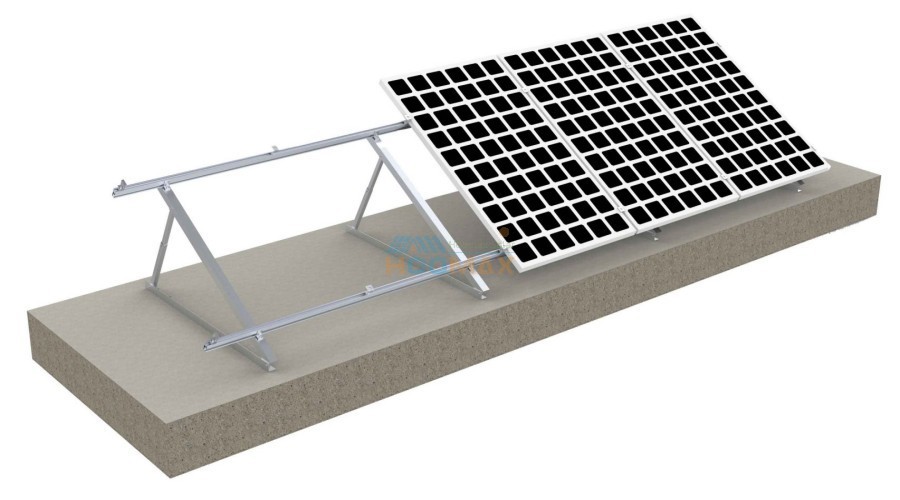
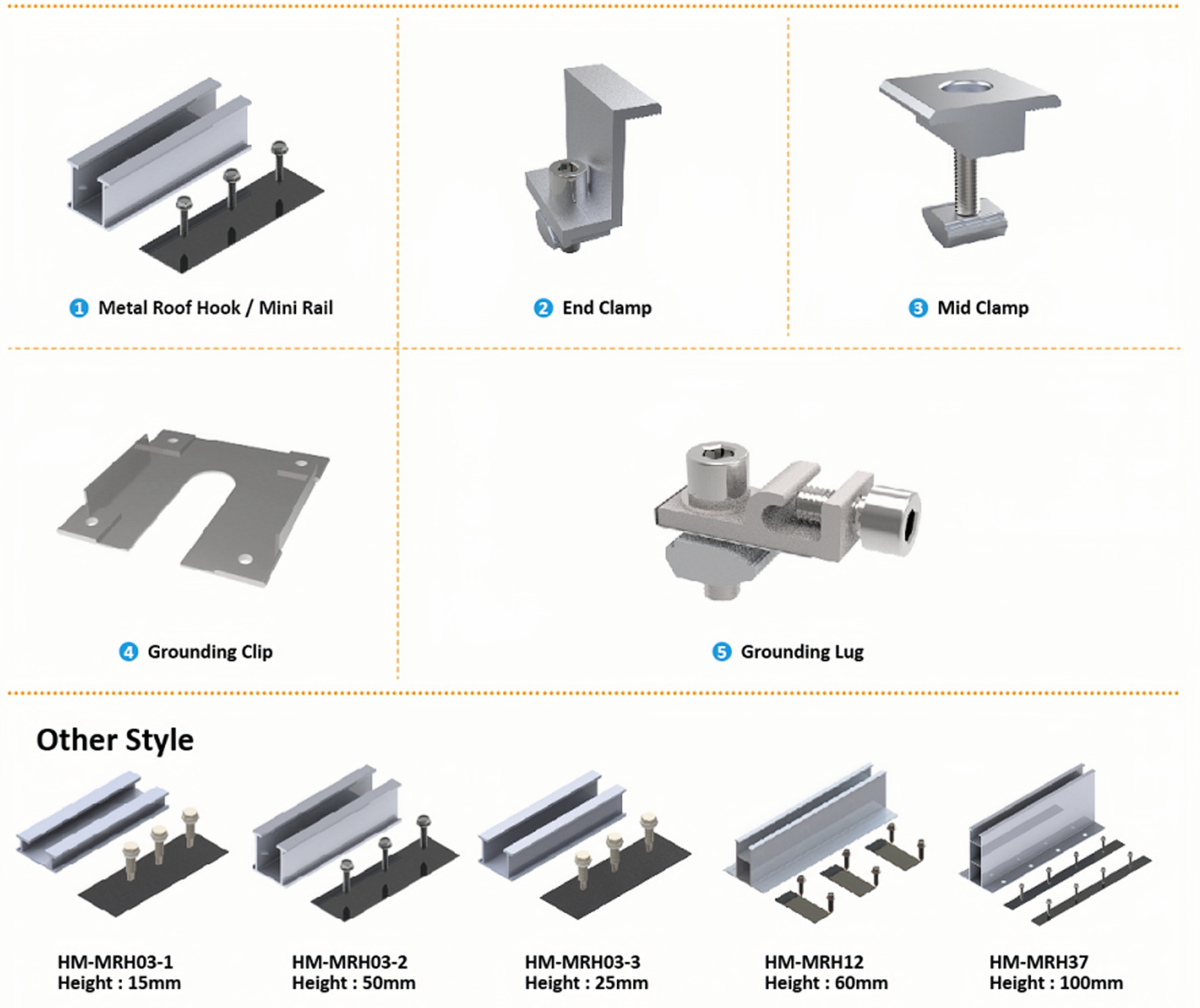
Metal roof solar mounting systems are mainly composed of hooks, rails, and other hardware that securely attach solar panels to the roof. The hooks play a crucial role in this process, as they are designed to grip the rib or seam of the metal roofing. This ensures that the solar array remains stable and secure against various weather conditions, enhancing the longevity of both the panels and the roof.
One of the significant advantages of using hooks in metal roof solar mounting systems is their ability to minimize roof penetrations. Unlike traditional mounting systems that require drilling into the roof, hook systems often allow for a clamp-style installation. This reduces the risk of leaks and structural damage, making it an attractive option for homeowners and businesses alike.
When considering a metal roof solar mounting system with hooks, it is essential to evaluate the type of metal roofing in use. Different profiles, such as standing seam, corrugated, or ribbed metal roofs, may require specific hooks or mounting solutions. Therefore, conducting a thorough assessment of the roof type is critical for ensuring compatibility with the chosen solar mounting system.
Installation of these systems typically involves several steps, starting with assessing the roof's structural integrity. The next step involves determining the optimal placement of the solar panels to maximize sunlight exposure throughout the day. This is often coupled with an analysis of shading from nearby trees or buildings. Once the placement is confirmed, the hooks can be securely attached to the metal roofing, followed by the installation of rails and solar panels.
Moreover, understanding local building codes and regulations is crucial, as these can affect the installation process and overall system performance. Engaging with local authorities or a professional installer can provide insights into compliance and best practices.
In summary, metal roof solar mounting systems with hooks provide an efficient, durable, and less invasive method for solar panel installation. By minimizing penetrations and ensuring secure attachment to various metal roofing types, these systems play a pivotal role in enhancing the performance and lifespan of solar energy installations. For any client looking to invest in solar technology, understanding these systems can lead to informed decisions, ensuring both efficiency and longevity in their solar endeavors.
Metal roof solar mounting systems are mainly composed of hooks, rails, and other hardware that securely attach solar panels to the roof. The hooks play a crucial role in this process, as they are designed to grip the rib or seam of the metal roofing. This ensures that the solar array remains stable and secure against various weather conditions, enhancing the longevity of both the panels and the roof.
One of the significant advantages of using hooks in metal roof solar mounting systems is their ability to minimize roof penetrations. Unlike traditional mounting systems that require drilling into the roof, hook systems often allow for a clamp-style installation. This reduces the risk of leaks and structural damage, making it an attractive option for homeowners and businesses alike.
When considering a metal roof solar mounting system with hooks, it is essential to evaluate the type of metal roofing in use. Different profiles, such as standing seam, corrugated, or ribbed metal roofs, may require specific hooks or mounting solutions. Therefore, conducting a thorough assessment of the roof type is critical for ensuring compatibility with the chosen solar mounting system.
Installation of these systems typically involves several steps, starting with assessing the roof's structural integrity. The next step involves determining the optimal placement of the solar panels to maximize sunlight exposure throughout the day. This is often coupled with an analysis of shading from nearby trees or buildings. Once the placement is confirmed, the hooks can be securely attached to the metal roofing, followed by the installation of rails and solar panels.
Moreover, understanding local building codes and regulations is crucial, as these can affect the installation process and overall system performance. Engaging with local authorities or a professional installer can provide insights into compliance and best practices.
In summary, metal roof solar mounting systems with hooks provide an efficient, durable, and less invasive method for solar panel installation. By minimizing penetrations and ensuring secure attachment to various metal roofing types, these systems play a pivotal role in enhancing the performance and lifespan of solar energy installations. For any client looking to invest in solar technology, understanding these systems can lead to informed decisions, ensuring both efficiency and longevity in their solar endeavors.



Room 601,No.368,Quanyutong Business center,Xianhou She,Huli District,Xiamen,China
Copyright © 2025 Xiamen Hoomax Solar Technology CO., LTD. ALL Rights Reserve.