Maximizing Efficiency: The Best Solar Accessories for Your System
Release time:
2026-02-06
Maximizing Efficiency: The Best Solar Accessories for Your System Introduction to Solar Accessories Solar energy systems are becoming an increasingly popular choice for both residential and commercial use. However, to truly maximize their efficiency and output, integrating the right **solar accessories** is essential. From mounting systems to inverters and battery storage, these components can
Maximizing Efficiency: The Best Solar Accessories for Your System
Introduction to Solar Accessories
Solar energy systems are becoming an increasingly popular choice for both residential and commercial use. However, to truly maximize their efficiency and output, integrating the right **solar accessories** is essential. From mounting systems to inverters and battery storage, these components can significantly enhance the overall performance of your solar power system.
In this guide, we will explore the various accessories available in the market and provide insights on how they contribute to optimizing solar energy efficiency.
The Importance of Choosing the Right Solar Accessories
Selecting the correct solar accessories can dramatically impact the efficiency of your solar energy system. It’s not just about having solar panels installed; it’s about creating a cohesive system that works harmoniously together. The right accessories help in several ways:
- **Enhancing energy output:** High-quality accessories ensure that your solar panels operate at their maximum potential.
- **Extending longevity:** Proper accessories can protect your investment, leading to a longer lifespan for your equipment.
- **Improving energy management:** Smart accessories can optimize energy storage and usage, ensuring you get the most from your solar installation.
Essential Solar Accessories for Optimized Performance
1. Solar Inverters: The Heart of Your System
Solar inverters are crucial for converting the direct current (DC) produced by solar panels into alternating current (AC), which is used in homes and businesses. There are several types of solar inverters, including:
- **String Inverters:** These are the most common type. They connect multiple solar panels in a series, making them a cost-effective solution for many residential installations.
- **Microinverters:** Installed on each panel, microinverters maximize energy production by allowing individual optimization. They are especially useful in installations where shading might occur.
- **Power Optimizers:** These devices work with string inverters to enhance the output of each solar panel while providing some level of monitoring.
Choosing the right inverter can significantly influence the performance of your solar system, making it a key accessory for maximizing efficiency.
2. Solar Batteries: Storing Your Energy
Solar batteries play a pivotal role in energy management by storing excess energy generated during sunny periods for use when sunlight is unavailable. With advancements in technology, solar batteries are becoming more efficient and affordable. The primary types include:
- **Lithium-ion Batteries:** Known for their high energy density and longer lifespan, lithium-ion batteries are becoming the preferred choice for many solar users.
- **Lead-Acid Batteries:** Although they are more affordable, they have a shorter lifespan and lower depth of discharge compared to lithium-ion options.
Investing in a quality solar battery not only enhances energy independence but also ensures that you can utilize your solar power efficiently, even during peak hours or outages.
3. Solar Charge Controllers: Protecting Your Battery
Solar charge controllers are vital for regulating the voltage and current coming from the solar panels to the batteries. They prevent overcharging and extend battery life. There are two main types:
- **PWM (Pulse Width Modulation) Controllers:** More economical and suitable for smaller solar setups, PWM controllers regulate the power flow but are less efficient than MPPT controllers.
- **MPPT (Maximum Power Point Tracking) Controllers:** These are more efficient and can optimize the energy harvested from solar panels, making them ideal for larger systems.
Choosing the right charge controller ensures your batteries are charged correctly, ultimately maximizing the efficiency of your solar system.
4. Mounting Systems: Stability and Orientation
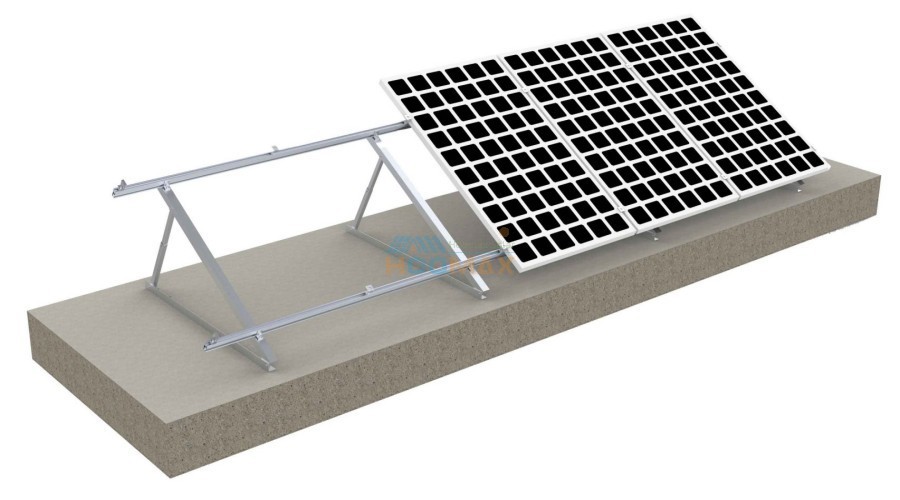
The mounting system is what holds your solar panels in place, and it’s important for maximizing solar exposure. Proper orientation and tilt can significantly improve energy collection. There are various types of mounting systems:
- **Fixed Mounting Systems:** These keep panels at a fixed angle and are more affordable, but they don’t allow for adjustments based on the sun’s position.
- **Adjustable Mounting Systems:** These allow users to modify the angle of the panels seasonally, optimizing energy collection throughout the year.
- **Tracking Systems:** These advanced systems move the panels to follow the sun’s path, maximizing exposure and energy capture but at a higher cost.
Investing in a suitable mounting system is crucial for maximizing the efficiency of your solar energy system.
5. Smart Energy Management Systems: The Future of Solar
Smart energy management systems provide real-time monitoring and analytics of energy production and consumption. These systems can optimize energy usage by controlling appliances and battery charging based on the available solar energy. Features often include:
- **Mobile App Integration:** Allows users to monitor their solar system's performance remotely.
- **Automated Controls:** Automatically adjust energy usage based on solar production and storage levels.
- **Data Analytics:** Provides insights into energy consumption patterns, helping users make informed decisions about their energy usage.
Incorporating a smart energy management system can streamline energy efficiency and enhance the overall performance of your solar setup.
Additional Accessories to Consider
1. Solar Panel Cleaning Equipment
Keeping your solar panels clean is essential for maintaining optimal efficiency. Dust, dirt, and debris can reduce energy production significantly. Solar panel cleaning kits often include:
- **Soft Brushes** for gentle cleaning.
- **Eco-Friendly Cleaning Solutions** to avoid damaging the panels.
Regular cleaning ensures your panels operate at peak efficiency.
2. Surge Protectors
Surge protectors safeguard your solar energy system against voltage spikes, which can occur due to lightning or power surges. Installing surge protection is vital for protecting your investment and ensuring long-term efficiency.
3. Solar Water Heaters
For those looking to integrate additional solar solutions, solar water heaters can complement your solar panel setup. They utilize solar energy to heat water for domestic use, reducing electricity consumption and maximizing energy efficiency.
4. Energy Monitoring Devices
Installing energy monitoring devices can help you track your usage and adjust habits to maximize efficiency. These devices provide insights into your energy consumption, helping to identify areas for improvement.
FAQs About Solar Accessories
1. What accessories do I need for my solar energy system?
The essential accessories include solar inverters, batteries, charge controllers, mounting systems, and smart energy management systems. Additional accessories like cleaning equipment and surge protectors can further enhance efficiency.
2. How do I choose the right solar inverter?
Consider your system size, shading issues, and budget. Microinverters are excellent for systems with shading, while string inverters are more cost-effective for installations without shading challenges.
3. How do solar batteries work?
Solar batteries store excess energy generated by your solar panels for later use. They allow you to utilize solar energy even when the panels are not producing power.
4. Do I need a charge controller if I use a solar battery?
Yes, a charge controller is essential for regulating the energy flow to prevent overcharging and damaging the battery.
5. How often should I clean my solar panels?
Cleaning frequency depends on your location and environmental factors. Generally, cleaning them every six months is recommended, or more frequently in dusty or dirty environments.
Conclusion
Maximizing the efficiency of your solar energy system involves investing in quality accessories that work together to enhance performance. From selecting the right inverter and battery to incorporating smart energy management systems, each component plays a crucial role in optimizing energy production and consumption.
By understanding the importance of these accessories and making informed choices, you can ensure that your solar installation not only meets but exceeds your energy needs, leading to significant savings and a reduced carbon footprint. Embrace the future of energy with a well-equipped solar system, and enjoy the benefits of clean, renewable energy for years to come.



Room 601,No.368,Quanyutong Business center,Xianhou She,Huli District,Xiamen,China
Copyright © 2025 Xiamen Hoomax Solar Technology CO., LTD. ALL Rights Reserve.