Agrivoltaic Mounting Systems: Innovative Solutions for Addressing Land Scarcity and Energy Demand
Release time:
2026-02-04
Agrivoltaic Mounting Systems: Solutions for Land Scarcity and Energy Demand Introduction to Agrivoltaic Systems Agrivoltaic systems represent the innovative intersection of agriculture and solar energy. As the world faces increasing land scarcity and growing energy demands, these systems provide a dual-use solution that maximizes land efficiency. By integrating solar panels with agricultural pract
Agrivoltaic Mounting Systems: Solutions for Land Scarcity and Energy Demand
Introduction to Agrivoltaic Systems
Agrivoltaic systems represent the innovative intersection of agriculture and solar energy. As the world faces increasing land scarcity and growing energy demands, these systems provide a dual-use solution that maximizes land efficiency. By integrating solar panels with agricultural practices, agrivoltaic systems can produce clean energy while simultaneously cultivating crops. The implementation of these systems not only addresses energy needs but also promotes sustainability, offering a viable solution for the future.
Understanding Land Scarcity in Today's Context
Land scarcity is an escalating issue, driven by urban expansion, population growth, and climate change. The competition for arable land is intensifying, placing pressure on farmers to optimize production. In many regions, traditional farming practices alone are becoming insufficient to meet the global food demand. Agrivoltaic systems emerge as a remedy to these challenges, offering a way to utilize the same parcel of land for both energy generation and food cultivation.
The Importance of Sustainable Energy Solutions
The growing demand for energy has led to an urgent need for sustainable solutions. Fossil fuels are dwindling, and their adverse environmental impacts are pushing society toward cleaner alternatives. Solar energy, recognized for its renewability and low carbon footprint, is a key player in the transition to sustainable energy. By utilizing agrivoltaic systems, we can harness solar power without sacrificing agricultural productivity, thereby addressing the dual crises of energy and food insecurity.
How Agrivoltaic Mounting Systems Work
Understanding the mechanics of agrivoltaic systems is crucial to appreciating their benefits. These systems consist of solar panels mounted above crops, enabling sunlight to reach both the solar array and the plants below. This dual-layered approach allows for optimized land usage.
Types of Agrivoltaic Mounting Systems
There are several types of agrivoltaic mounting systems, each tailored for specific environmental and agricultural needs:
1. Fixed Tilt Systems
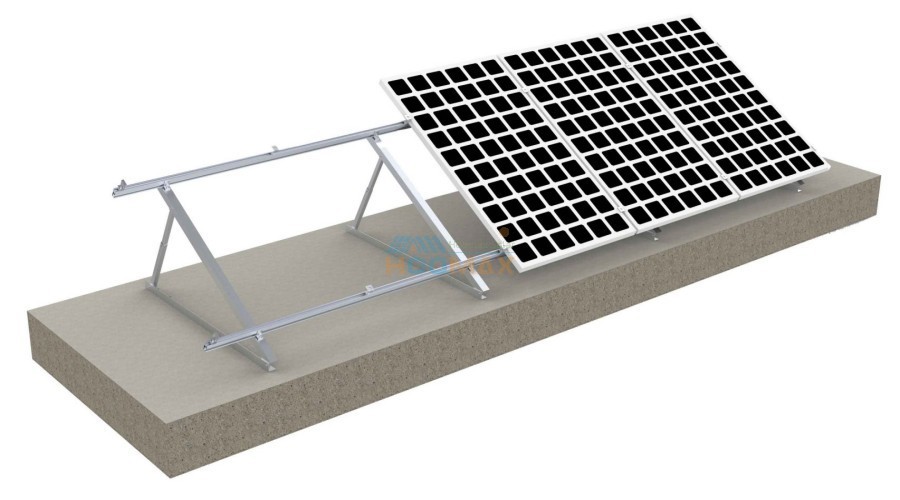
Fixed tilt systems are the most straightforward approach, where solar panels are installed at a fixed angle. This setup is cost-effective and easy to implement but may not maximize sunlight exposure throughout the year.
2. Single-Axis Solar Trackers
Single-axis trackers allow solar panels to rotate along one axis, following the sun's path throughout the day. This increases energy production significantly, making them ideal for regions with high solar irradiance.
3. Dual-Axis Solar Trackers
For maximum efficiency, dual-axis trackers adjust both horizontally and vertically, ensuring that solar panels are always optimally positioned. Though more expensive, they yield higher energy outputs, justifying the investment in regions with ample sunlight.
Benefits of Agrivoltaic Mounting Systems
Integrating agrivoltaic systems offers numerous advantages beyond just energy generation:
1. Increased Land Efficiency
By utilizing the same land for both agriculture and solar power generation, agrivoltaic systems significantly enhance land efficiency. Farmers can produce food while simultaneously harnessing renewable energy.
2. Improved Crop Yields
Research indicates that crops grown under solar panels can benefit from the shade they provide. This can lead to improved yields, especially in regions where excessive sunlight can hinder crop growth.
3. Reduced Water Usage
Agrivoltaic systems can help reduce evaporation rates from the soil, meaning crops require less water. This is especially beneficial in arid regions facing water scarcity.
4. Diversification of Income Sources
Farmers can diversify their income by generating revenue from both crop sales and solar energy production. This dual income stream enhances economic stability for agricultural enterprises.
5. Environmental Benefits
The implementation of agrivoltaic systems contributes to reduced carbon emissions and promotes biodiversity. They can serve as habitats for various species, enhancing the ecological value of agricultural landscapes.
Challenges in Implementing Agrivoltaic Systems
Despite the numerous benefits, agrivoltaic systems face certain challenges:
1. Initial Investment Costs
The upfront cost of installing solar panels and related infrastructure can be significant. Financial incentives and government subsidies can help mitigate these costs.
2. Land Use Policy and Regulations
Navigating land use policies and zoning regulations can be complex. Collaboration with local governments and stakeholders is essential for successful implementation.
3. Technical and Engineering Challenges
Designing agrivoltaic systems that effectively balance energy generation and crop production requires careful planning and expertise. Advanced engineering solutions are necessary to optimize both components.
Case Studies: Successful Agrivoltaic Installations
Examining successful agrivoltaic projects can provide valuable insights into effective implementation strategies:
1. University of Arizona's Agrivoltaic Research
The University of Arizona has conducted extensive research on agrivoltaic systems, demonstrating enhanced crop yields while generating solar energy. The findings highlight the potential of these systems in regions with high solar exposure.
2. France's Agrivoltaic Farms
Several farms in France have adopted agrivoltaic systems, showcasing the viability of combining agriculture with renewable energy production. These projects have resulted in increased farm income and sustainable energy generation.
The Future of Agrivoltaic Mounting Systems
Looking ahead, agrivoltaic systems hold immense promise in addressing global challenges related to land scarcity and energy demand. As technology advances and more success stories emerge, we can anticipate greater adoption of these systems worldwide.
1. Technological Innovations
Continuous advancements in solar technology, such as improved photovoltaic materials and energy storage solutions, will enhance the efficiency and viability of agrivoltaic systems.
2. Policy Support and Incentives
Governments play a crucial role in fostering the growth of agrivoltaic systems. Policy frameworks that support renewable energy integration and sustainable farming practices will be essential.
3. Education and Awareness
Raising awareness of the benefits of agrivoltaic systems among farmers, policymakers, and consumers is vital. Educational programs and outreach initiatives can facilitate understanding and acceptance of this innovative approach.
FAQs about Agrivoltaic Mounting Systems
1. What are agrivoltaic systems?
Agrivoltaic systems are setups that combine agriculture and solar energy production on the same land, allowing for dual use and maximizing land efficiency.
2. How do agrivoltaic systems benefit farmers?
Farmers can increase their income through crop sales and solar energy generation, improve crop yields, and reduce water usage while promoting sustainability.
3. What challenges do agrivoltaic systems face?
Challenges include initial investment costs, navigating land use regulations, and technical engineering requirements.
4. Where are agrivoltaic systems being successfully implemented?
Successful examples can be found in various locations, such as the University of Arizona and farms in France, showcasing the potential benefits of these systems.
5. How do agrivoltaic systems impact the environment?
These systems contribute to reduced carbon emissions, promote biodiversity, and enhance ecological value while generating clean energy.
Conclusion
Agrivoltaic mounting systems represent a revolutionary approach to addressing the pressing challenges of land scarcity and energy demand. By effectively integrating solar energy generation with agricultural practices, these systems provide a sustainable solution that benefits both farmers and the environment. As technology evolves and awareness grows, the potential for agrivoltaic systems to reshape our agricultural landscapes and energy production is monumental. Embracing this innovation is not just an opportunity for farmers; it is a critical step toward a more sustainable and energy-efficient future.





Room 601,No.368,Quanyutong Business center,Xianhou She,Huli District,Xiamen,China
Copyright © 2025 Xiamen Hoomax Solar Technology CO., LTD. ALL Rights Reserve.