Aluminum Solar Z Brackets Drive Efficiency and Reliability in Modern Solar Installations
Release time:
2026-03-17
Aluminum solar Z brackets provide strong support for solar panels, ensuring stable installation and long-term outdoor performance
As the global transition toward renewable energy accelerates, solar power continues to play a central role in reshaping the energy landscape. Governments, businesses, and homeowners are increasingly investing in photovoltaic systems to reduce carbon emissions and achieve long-term energy savings. While solar panels often receive the most attention, mounting components such as aluminum solar Z brackets are equally important in ensuring the stability, safety, and efficiency of solar installations.
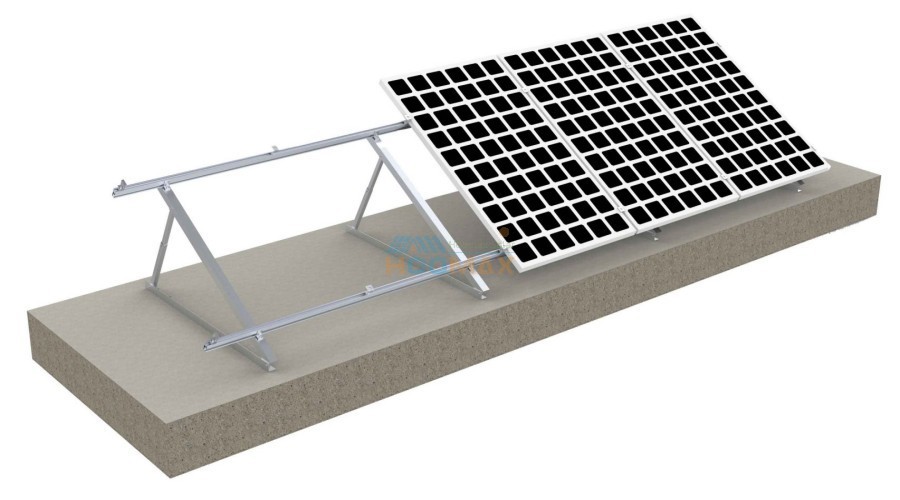
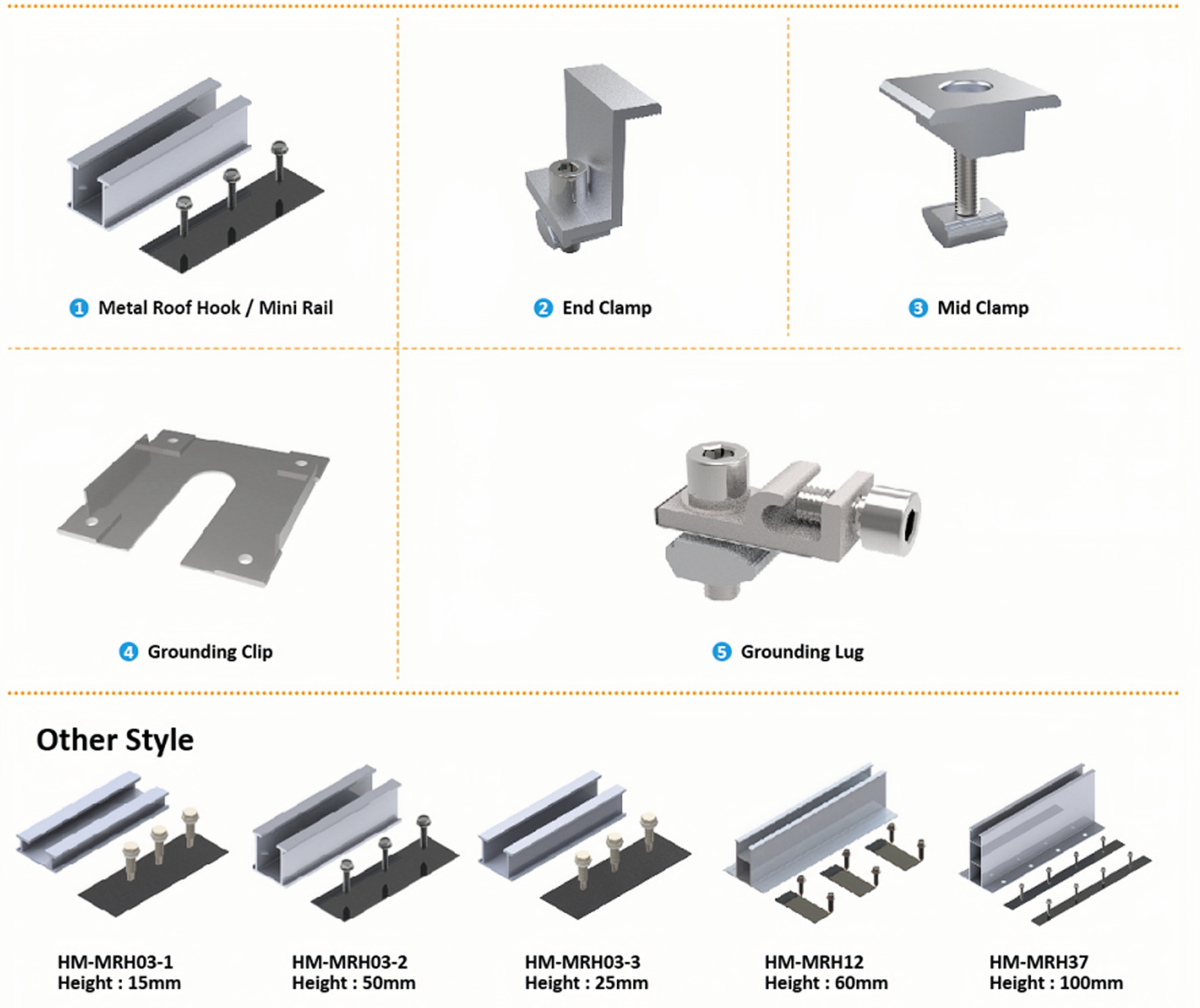
Aluminum solar Z brackets are specialized mounting accessories designed to secure solar panels to a variety of surfaces, including rooftops, walls, and flat platforms. Their distinctive Z-shaped design provides a simple yet effective structure that supports panels while maintaining proper spacing for ventilation. This airflow is critical for preventing overheating and ensuring optimal panel performance over time.
One of the key advantages of aluminum solar Z brackets is their material composition. Aluminum is widely recognized for its lightweight properties and excellent corrosion resistance. In outdoor environments where solar panels are exposed to rain, wind, and temperature fluctuations, these characteristics are essential. Unlike steel, aluminum does not rust, which significantly extends the lifespan of mounting components and reduces maintenance requirements.
Ease of installation is another factor contributing to the popularity of Z brackets. These components are typically designed for straightforward assembly, allowing installers to mount solar panels quickly and efficiently. Many systems include pre-drilled holes and standardized dimensions, making them compatible with a wide range of solar panel sizes. This simplicity not only reduces installation time but also lowers labor costs, making solar energy systems more accessible to a broader range of users.
The growth of residential solar systems has further increased demand for aluminum solar Z brackets. Homeowners seeking to install rooftop solar panels often look for mounting solutions that are both reliable and easy to use. Z brackets provide a practical option, especially for small to medium-sized installations. Their compact design allows them to fit neatly within limited roof space while providing sufficient support for panels.
Commercial and industrial solar projects also benefit from the use of aluminum Z brackets. In these settings, large arrays of solar panels must be securely mounted to withstand environmental stress such as strong winds or heavy snow loads. High-quality brackets contribute to the structural integrity of the entire system, ensuring long-term performance and safety. Engineers often consider factors such as load distribution, wind resistance, and mounting angles when selecting bracket systems for large-scale installations.
Another important aspect of aluminum solar Z brackets is their role in system efficiency. Proper mounting ensures that solar panels are positioned at the correct angle to capture maximum sunlight. Additionally, the spacing created by Z brackets allows air to circulate behind the panels, reducing heat buildup. Since excessive heat can reduce the efficiency of photovoltaic cells, maintaining proper ventilation is crucial for achieving optimal energy output.
Sustainability considerations also support the use of aluminum in solar mounting systems. Aluminum is a recyclable material, and many manufacturers incorporate recycled content into their products. This aligns with the broader goals of the renewable energy industry, which seeks to minimize environmental impact across the entire lifecycle of solar systems.
Technological advancements have led to continuous improvements in bracket design and manufacturing processes. Modern aluminum solar Z brackets are engineered with precision to ensure consistent quality and performance. Some designs include enhanced structural features to improve load-bearing capacity, while others focus on simplifying installation through modular components.
The global solar market continues to expand rapidly, driven by supportive government policies, declining equipment costs, and increasing environmental awareness. As more regions adopt solar energy solutions, the demand for reliable mounting hardware is expected to grow alongside panel installations. Aluminum solar Z brackets, as a key component of these systems, will remain in high demand.
Safety standards and certifications are also critical in the development and use of solar mounting components. Manufacturers must ensure that their products meet international standards for strength, durability, and environmental resistance. Proper testing and certification provide confidence to installers and end users, ensuring that solar systems can operate safely over long periods.
In addition, the versatility of aluminum solar Z brackets makes them suitable for various installation scenarios. From residential rooftops to remote off-grid systems, these brackets can be adapted to different environments and structural conditions. This flexibility is particularly valuable in regions where infrastructure varies widely.
Looking ahead, innovation in solar mounting technology is expected to continue. Engineers and manufacturers are exploring new materials, designs, and installation methods to further improve efficiency and reduce costs. Smart mounting systems that integrate monitoring and adjustment capabilities may also become more common in the future.
In conclusion, aluminum solar Z brackets play a vital role in the success of modern solar energy systems. By providing secure, durable, and efficient mounting solutions, they ensure that solar panels can perform effectively in a wide range of conditions. As the world continues to embrace renewable energy, these essential components will remain a cornerstone of solar infrastructure, supporting the transition to a more sustainable future.



Room 601,No.368,Quanyutong Business center,Xianhou She,Huli District,Xiamen,China
Copyright © 2025 Xiamen Hoomax Solar Technology CO., LTD. ALL Rights Reserve.