Agrivoltaic Mounting Systems: Future-Proofing Agriculture Against Climate Change
Release time:
2026-04-05
Agrivoltaic Mounting Systems: Future-Proofing Agriculture Against Climate Change Table of Contents 1. Introduction to Agrivoltaic Systems 2. Understanding the Basics of Agrivoltaics 3. The Benefits of Agrivoltaic Mounting Systems 3.1 Enhancing Crop Production 3.2 Maximizing Land Use Efficiency 3.3 Renewable Energy Generation 4. Key Components of Agrivoltaic Mounting Systems 5. Types of Agrivoltaic
Agrivoltaic Mounting Systems: Future-Proofing Agriculture Against Climate Change
Table of Contents
1. Introduction to Agrivoltaic Systems
2. Understanding the Basics of Agrivoltaics
3. The Benefits of Agrivoltaic Mounting Systems
3.1 Enhancing Crop Production
3.2 Maximizing Land Use Efficiency
3.3 Renewable Energy Generation
4. Key Components of Agrivoltaic Mounting Systems
5. Types of Agrivoltaic Systems
5.1 Fixed Tilt Systems
5.2 Tracking Systems
6. Case Studies: Successful Agrivoltaic Implementations
7. Challenges and Considerations
7.1 Initial Costs and Financial Models
7.2 Land Suitability and Crop Compatibility
8. Future Trends in Agrivoltaics
9. FAQ Section
10. Conclusion
1. Introduction to Agrivoltaic Systems
The concept of agrivoltaics is gaining traction as an innovative solution to the challenges posed by climate change. By integrating solar energy production with agricultural practices, agrivoltaic systems allow farmers to harness solar power while cultivating crops. This dual-use approach not only maximizes land efficiency but also presents a sustainable option for energy generation.
2. Understanding the Basics of Agrivoltaics
Agrivoltaics combines **agriculture** and **photovoltaics**, utilizing land for both crop production and solar energy generation. Solar panels are strategically installed above crops, creating a unique environment that can improve agricultural productivity. This system supports diverse cropping strategies while contributing to energy independence and reducing greenhouse gas emissions.
3. The Benefits of Agrivoltaic Mounting Systems
Implementing agrivoltaic systems offers numerous advantages that are hard to overlook.
3.1 Enhancing Crop Production
Research indicates that the shade provided by solar panels can reduce heat stress on plants, leading to improved water retention and higher yields. Certain crops, such as leafy greens, benefit from partial shade, resulting in healthier, more robust growth.
3.2 Maximizing Land Use Efficiency
With the world facing increasing land scarcity, agrivoltaics presents a compelling solution. By combining solar energy production with traditional farming, we can utilize the same land for two productive purposes, significantly improving land-use efficiency.
3.3 Renewable Energy Generation
Agrivoltaic systems generate clean, renewable energy, reducing reliance on fossil fuels. This not only lowers operational costs for farmers but also contributes to local energy grids, promoting sustainability within communities.
4. Key Components of Agrivoltaic Mounting Systems
To create effective agrivoltaic systems, several key components must be considered. These include the solar panels, mounting structures, inverters, and monitoring systems. Each element plays a critical role in ensuring the efficiency and effectiveness of the overall system.
5. Types of Agrivoltaic Systems
Choosing the right type of agrivoltaic system can influence its success.
5.1 Fixed Tilt Systems
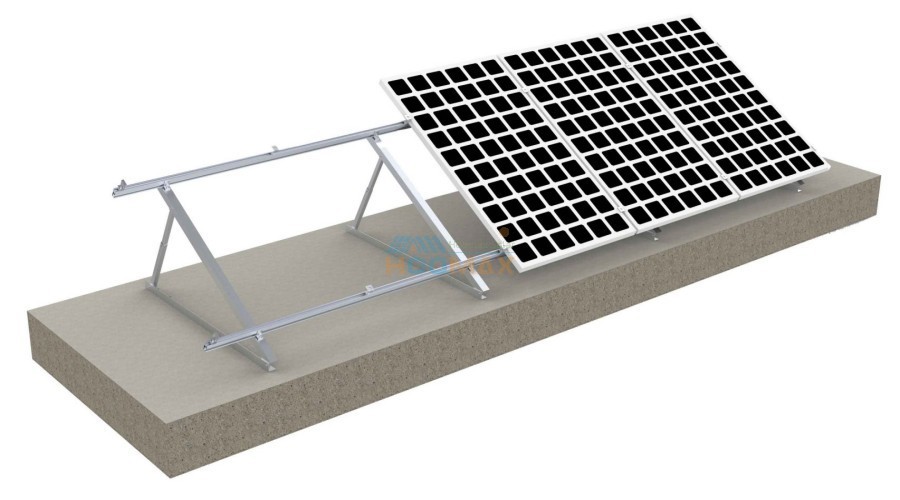
Fixed tilt systems are stationary and offer a cost-effective solution for farmers. These systems are typically installed at a specific angle, allowing for optimal solar energy capture throughout the year while ensuring adequate sunlight for crops.
5.2 Tracking Systems
Tracking systems move with the sun, maximizing solar energy capture. These systems can increase energy production significantly but may require higher initial investments due to their complexity and maintenance needs.
6. Case Studies: Successful Agrivoltaic Implementations
Numerous successful agrivoltaic projects worldwide serve as inspiring examples. For instance, a project in Japan combines rice farming with solar energy production, demonstrating that agrivoltaics can be both economically viable and environmentally friendly. In the United States, farmers in California have reported increased crop yields alongside substantial energy savings.
7. Challenges and Considerations
Despite the benefits, agrivoltaic systems come with their own set of challenges.
7.1 Initial Costs and Financial Models
The upfront investment for agrivoltaic systems can be substantial. However, financial models, including grants and subsidies, can help mitigate these costs, making the transition more accessible for farmers.
7.2 Land Suitability and Crop Compatibility
Not all lands are suitable for agrivoltaic systems. Conducting thorough assessments of soil quality, climate conditions, and crop compatibility is essential to ensure a successful implementation.
8. Future Trends in Agrivoltaics
As technology advances, we can expect to see innovative developments within the agrivoltaic sector. The integration of smart technologies and data analytics will allow for more efficient monitoring and management of these systems, enhancing their effectiveness in combating climate change.
9. FAQ Section
What are agrivoltaic systems?
Agrivoltaic systems combine solar energy production with agriculture, utilizing land for growing crops while generating renewable energy.
How do agrivoltaics benefit farmers?
Farmers can increase their crop yields, enhance land use efficiency, and generate renewable energy, reducing operational costs and contributing to sustainable practices.
What crops are suitable for agrivoltaic systems?
Crops that thrive in partial shade, such as leafy greens and certain fruits, are particularly well-suited for agrivoltaic systems.
Are agrivoltaic systems cost-effective?
While initial costs can be high, financial incentives and long-term savings on energy bills can make agrivoltaic systems economically viable for farmers.
What are the environmental benefits of agrivoltaics?
Agrivoltaics help reduce greenhouse gas emissions, promote biodiversity, and enhance soil health, contributing to a more sustainable agricultural ecosystem.
10. Conclusion
Agrivoltaic mounting systems represent a promising innovation in the fight against climate change, combining the benefits of renewable energy and sustainable agriculture. As we navigate the challenges posed by a changing climate, these systems can provide a practical solution for future-proofing our food supply while promoting environmental stewardship. By embracing agrivoltaics, we can ensure a sustainable and resilient agricultural landscape for generations to come.





Room 601,No.368,Quanyutong Business center,Xianhou She,Huli District,Xiamen,China
Copyright © 2025 Xiamen Hoomax Solar Technology CO., LTD. ALL Rights Reserve.